How to Choose a Garden Gazebo
Choose a garden gazebo by use, shape and timber class. The name comes from Latin altus. We have built the octagonal Victoria in our workshop since 2009.
 František Kečkéš · Updated · 6 min read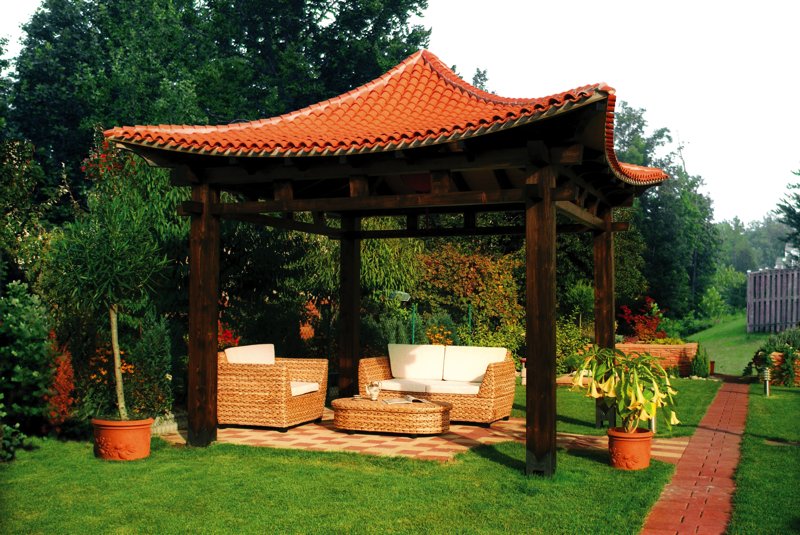
In short:
A gazebo is a free-standing building with a roof. The sides can stay open, or you close them with doors and windows. It differs from a pergola by having its own roof and standing as a room of its own. If you are still choosing between them, start with gazebo or pergola.
The name altán comes from Latin altus, high. Buildings like this spread through European parks in the 18th and 19th centuries. In our workshop since 2009 we most often draw six- and eight-sided plans. Square and rectangle go where the garden wants a straight line to the house.
What should you weigh when choosing a garden gazebo?
You choose by use, not by a photo. A gazebo for lunch by the kitchen is not the same as one for reading at the far end. Then come plan, material and how closed the walls are. The view from it and towards it comes after you know what it is for. How we build one step by step is in building the Victoria gazebo.
What not to settle here? The exact spot on the plot. That has its own guide: where to put a gazebo in your garden. This article stays with what to order.
What will you use the gazebo for?
Most often it is shade for sitting. Into an open gazebo you put a table, chairs or loungers and add one place where rain does not hit your head. A larger plan takes a barbecue. A smaller one is enough for a bench and coffee.
On surveys I ask first how many people sit at the table, not what colour the roof is. Four guests need a different span than a family party. Only then do we draw the eight sides.
A garden wedding, a hot tub or a quiet place to work outside? All of that works if you say the load and the privacy first. The history of shapes is in the history of garden gazebos. Choosing a garden gazebo itself still starts with use.
Which shape and material should you pick?
Square and rectangle sit well on a straight terrace. A circle is rare: more joints, and furniture is harder to place. Hexagon and octagon give the same view on every side. Victoria is octagonal for that reason: from every seat you see the garden, not a wall.
Exterior timber is classed to EN 350 from 1 (most durable) to 5. Soft timber without protection sits in the weaker classes, so we impregnate and coat it in the workshop. Metal and glass go on where you want less upkeep and more light.
| Plan | When we choose it | Note from the workshop |
|---|---|---|
| Square / rectangle | Straight terrace, table in a row | Simpler joint, fewer views |
| Hexagon | Mid-size garden, 4 to 6 people | A balance of space and view |
| Octagon (Victoria) | Main seating in the garden | The same view from every seat |
Open sides, or a closed gazebo?
An open gazebo works from spring to autumn. Closed with doors and windows it runs into winter, but it becomes another building: you need seals, drainage and more checks on the glass. Half-open with side panels is the compromise we fit most often on family gardens.
Want it in frost as a room? Then you have left the classic gazebo. See how to choose a winter garden. A gazebo stays a garden building with a roof, not a heated room.
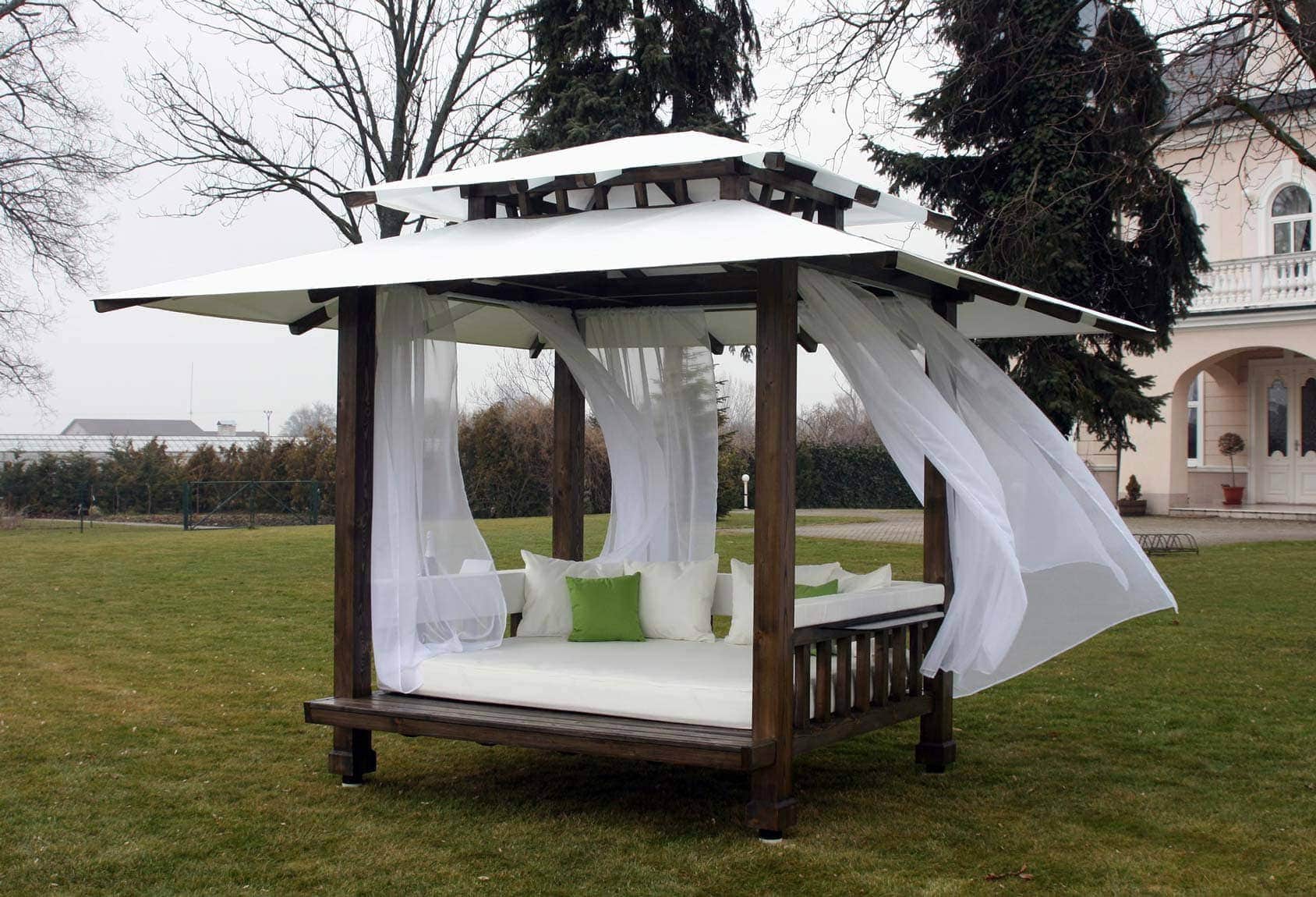
Once you know use, plan and how closed it is, ask for a consultation. A survey on the plot tells you more than a catalogue.
Frequently asked questions
Which gazebo shape is the most practical?
On a straight terrace, square or rectangle. In an open garden, hexagon or octagon. We have drawn the octagonal Victoria since 2009 most often where more people sit and everyone wants a view.
Can you use a gazebo in winter?
Yes, if you add doors, windows and close the walls. An open model stays for spring, summer and autumn. A heated year-round room is a winter garden, not a gazebo.
Where should you put the gazebo in the garden?
Near the house for dining, further out for quiet. The full method is in where to put a gazebo. Here it is enough to know that the spot follows the use, not the other way round.
František Kečkéš
Founder of the family firm Gazebo. He has designed custom pergolas, gazebos and winter gardens since 2009 — from the first sketch through production to installation.
Free consultation →