Gazebo or Pergola: Which Should You Choose?
Gazebo or pergola — which is right for your garden? Compare privacy, weather protection, cost and design, then get a free, no-obligation quote today.
 František Kečkéš · Updated · 6 min read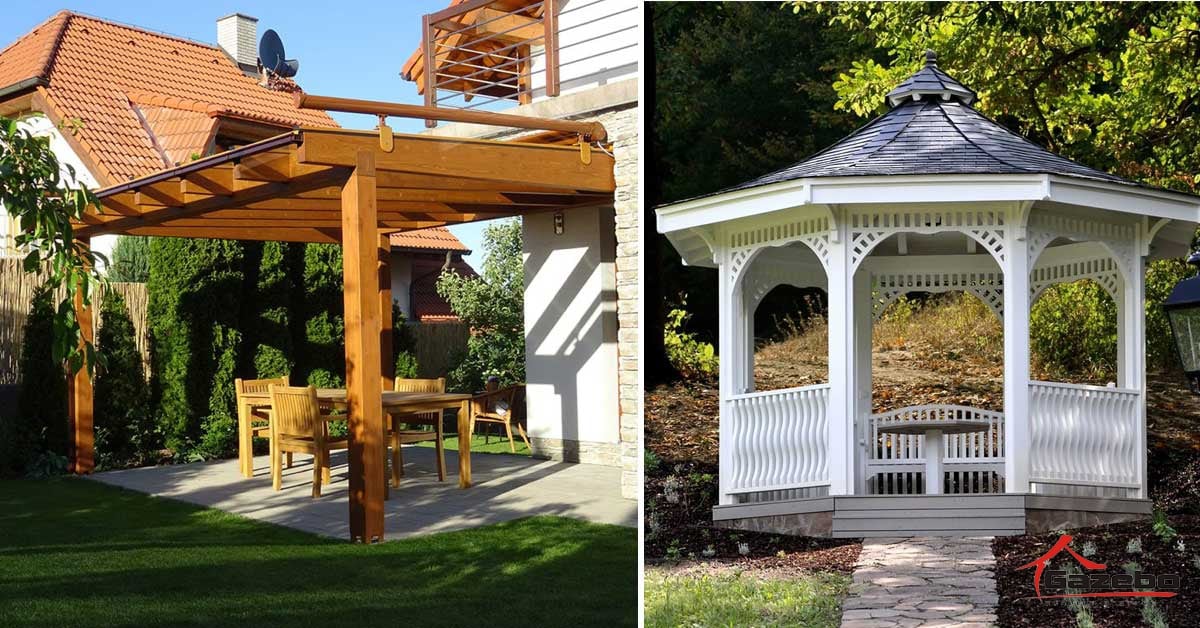
In short: A gazebo is a free-standing structure with a roof and usually semi-open sides, offering more privacy and better protection from the weather. A pergola is generally attached to the house, has a louvred structure for controlling light, and is more open. Choose a gazebo for privacy and shelter, and a pergola to connect your house with the garden.
If you’re torn between a gazebo and a pergola, it can be hard to commit to one option. Both structures have their advantages and drawbacks, and the right choice comes down to your personal preferences and needs.
Gazebos are traditional garden shelters used for protection from the sun and rain. They are usually built from wood and topped with a roof that offers full protection from the weather. A gazebo can be a simple structure that creates a pleasant place to relax and unwind in the garden. It can also serve as a spot to host a barbecue or other family and social gatherings.
Pergolas in the garden
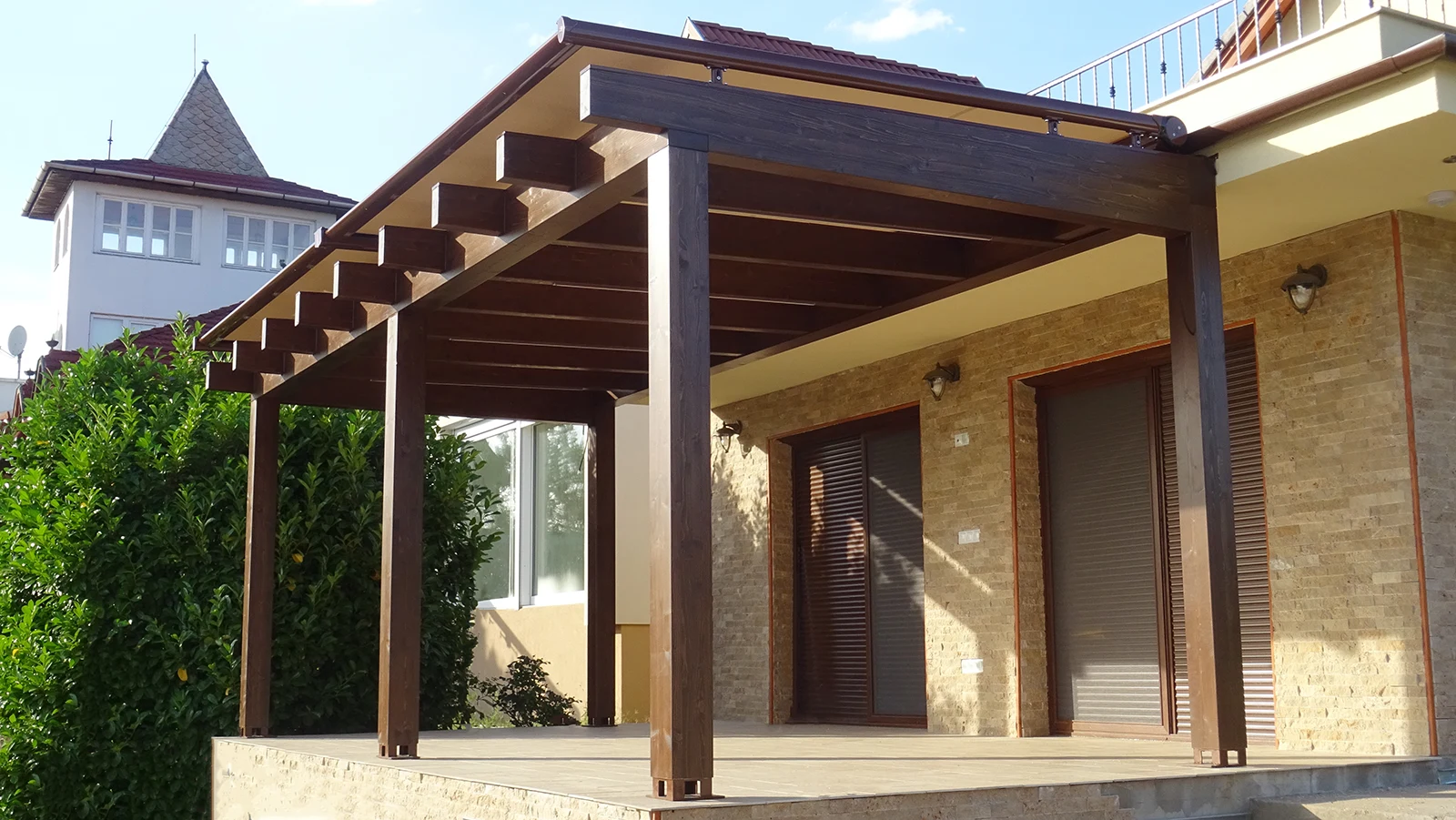
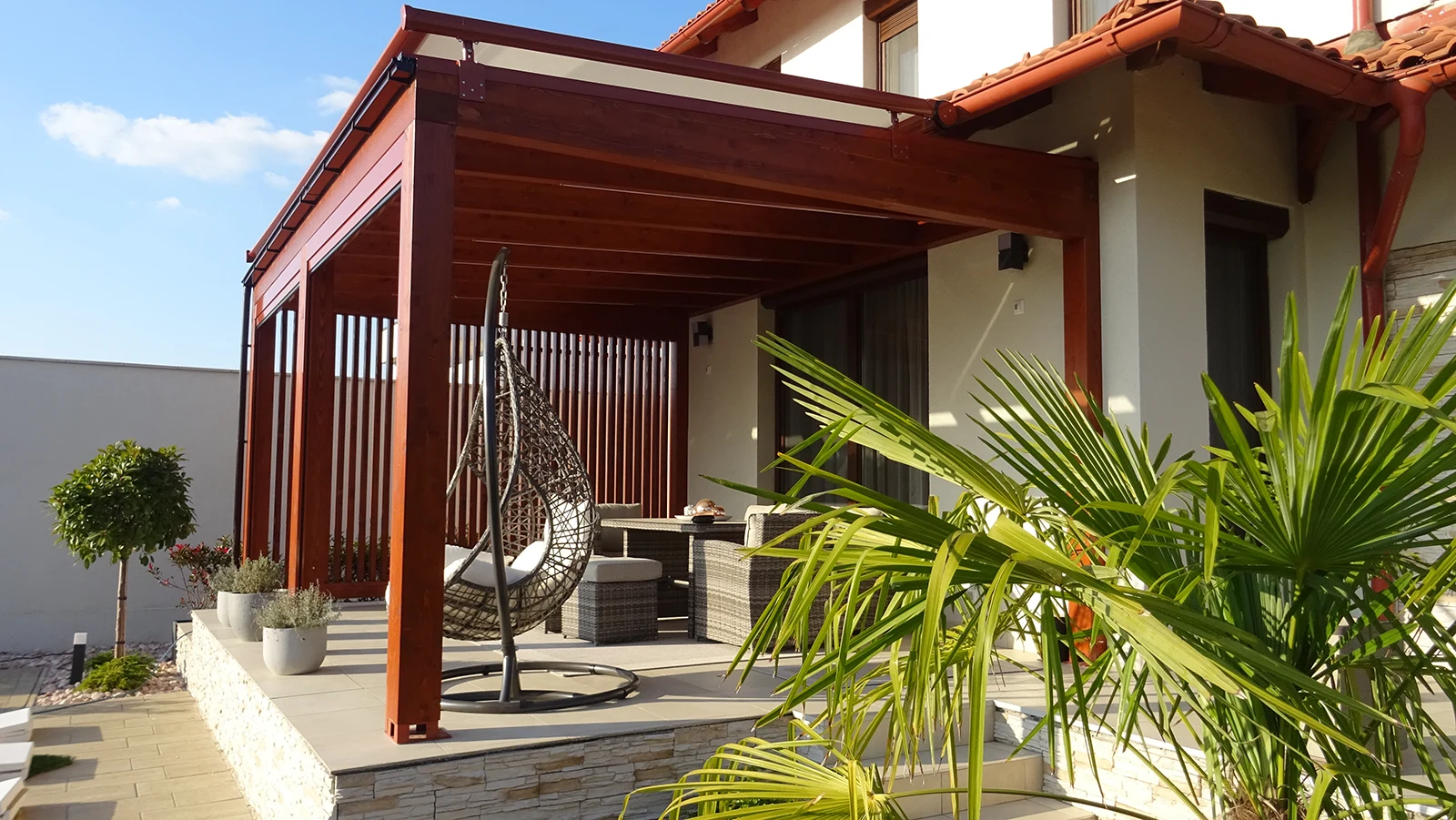
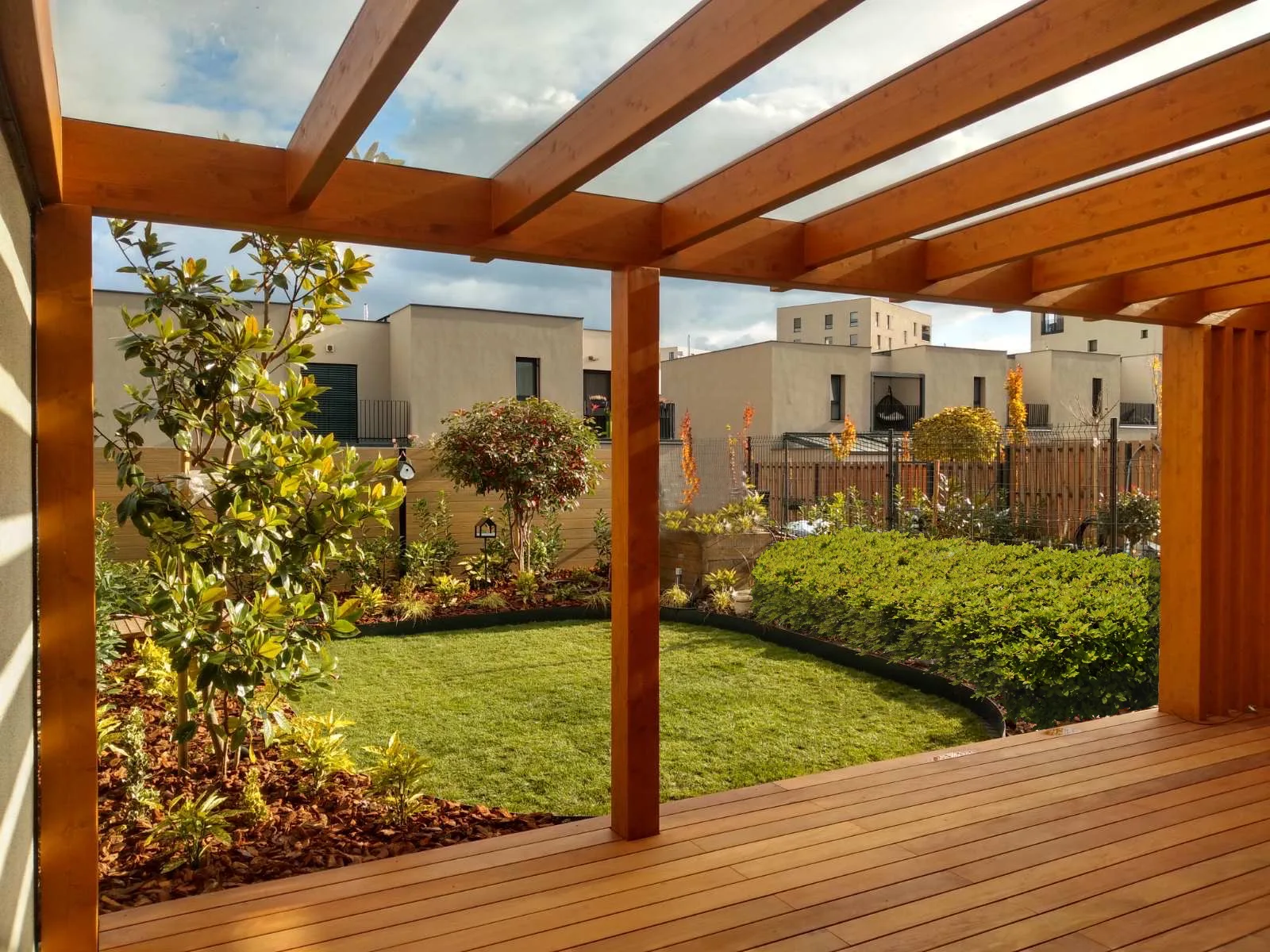
Pergola or gazebo?
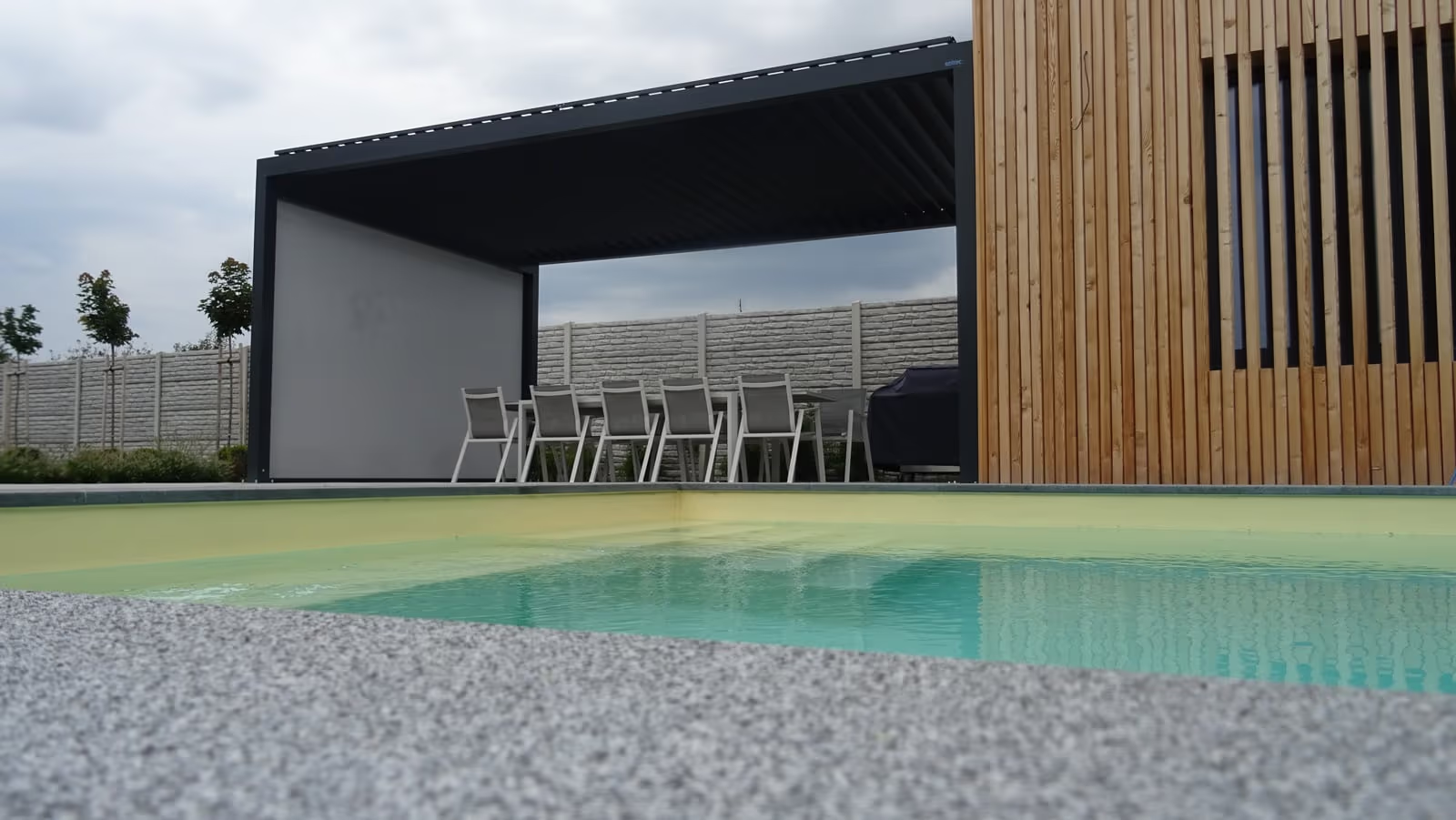
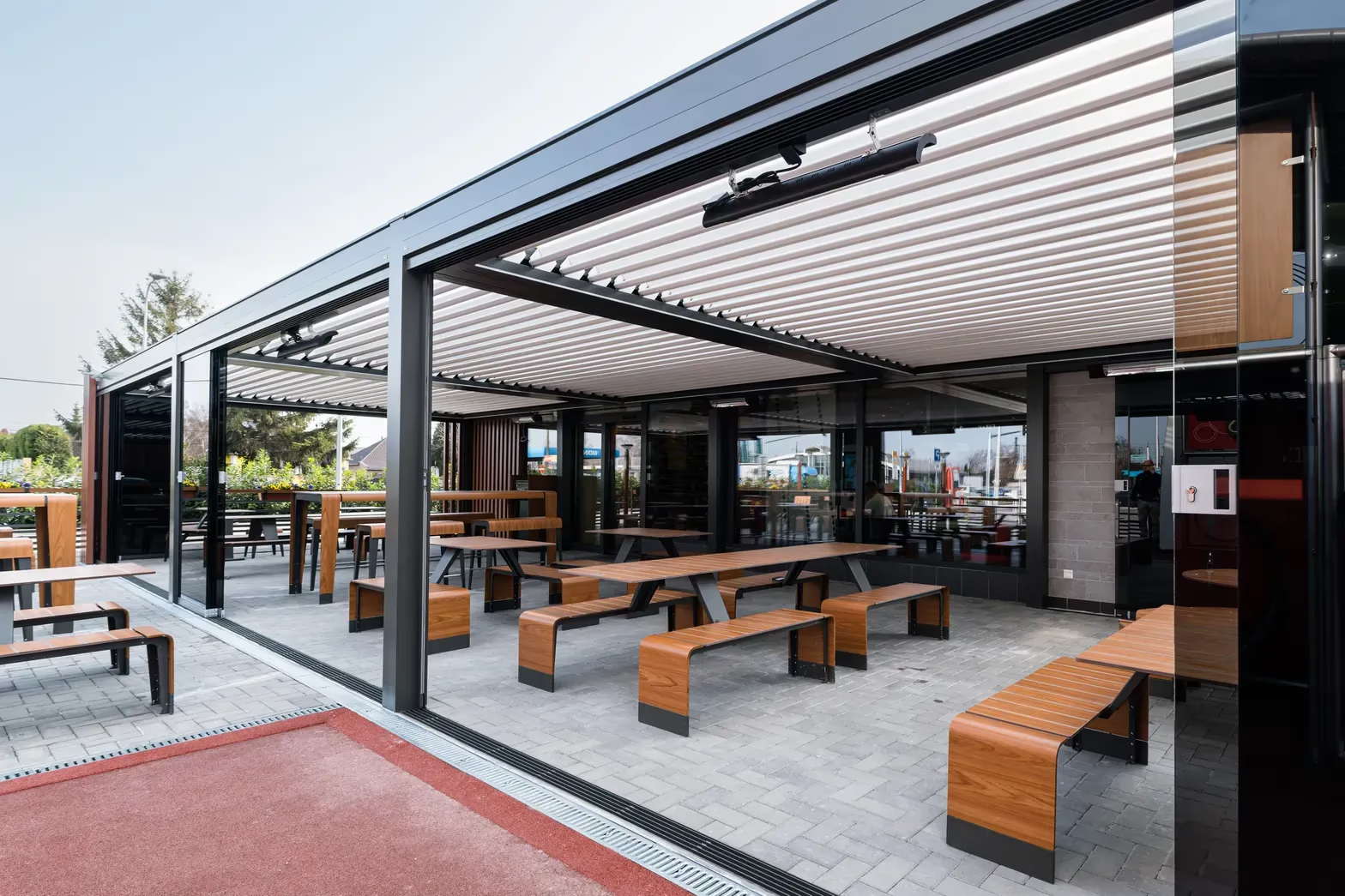
Wooden and aluminium pergolas, on the other hand, are modern shelters defined by their louvred structure, which lets you regulate the light and temperature beneath the pergola. They’re ideal for creating a pleasant outdoor space where you’re shielded from the sun and rain while still enjoying the open air. Pergolas are also perfect for growing climbing plants, which provide extra shade and add to the atmosphere.
For a quick overview, we’ve summed up the main differences in a handy table:
| Feature | Gazebo | Pergola |
|---|---|---|
| Location | free-standing structure, sited anywhere in the garden | usually attached to the house |
| Sides | open, semi-open or enclosed | usually open on all sides |
| Privacy | higher | lower |
| Weather protection | greater (rain, wind) | less, depending on the roof type |
| Light control | limited | louvres allow light and temperature control |
| Climbing plants | less suitable | ideal support |
| Installation and cost | more demanding, usually more expensive | simpler, usually more affordable |
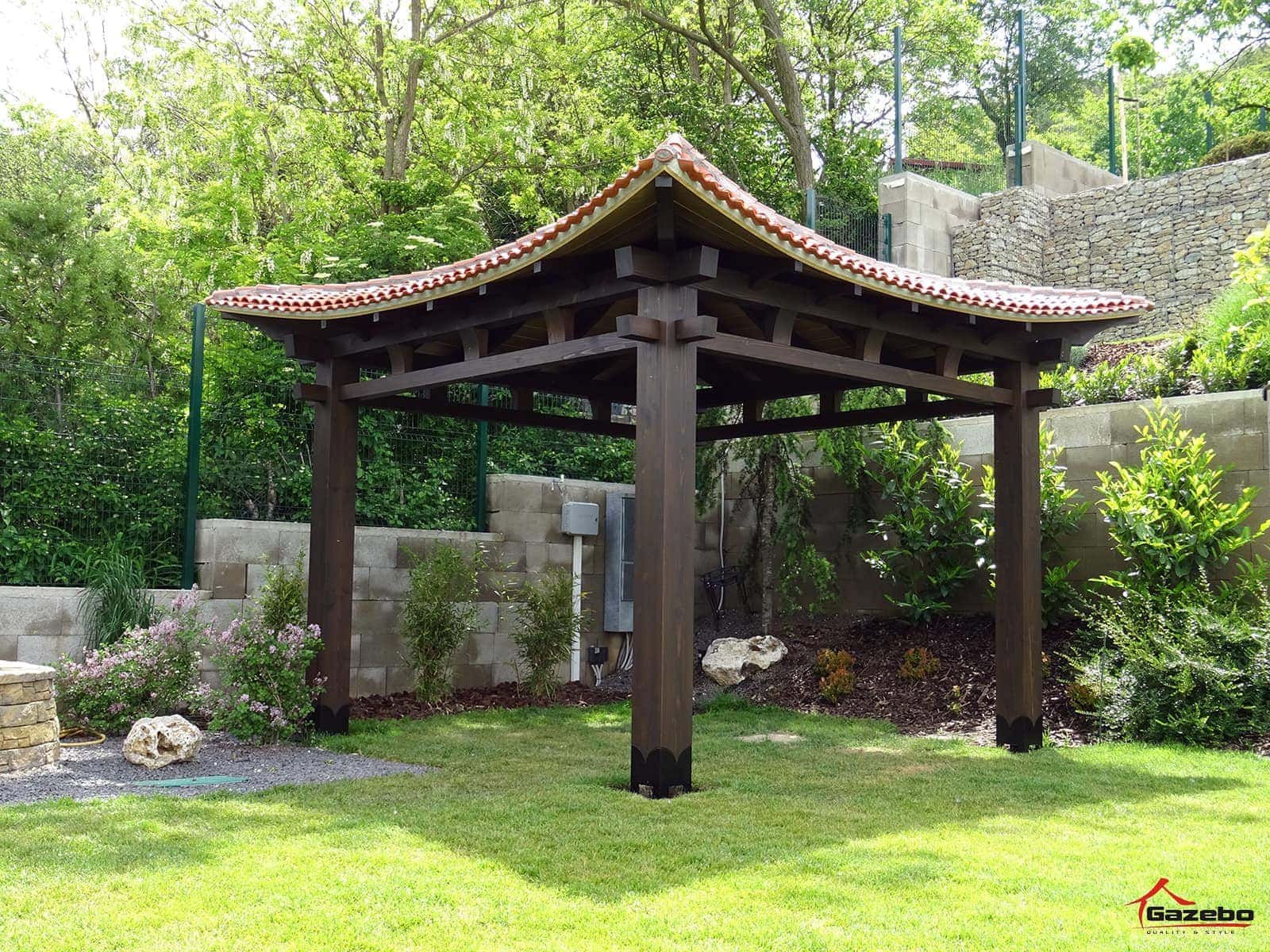
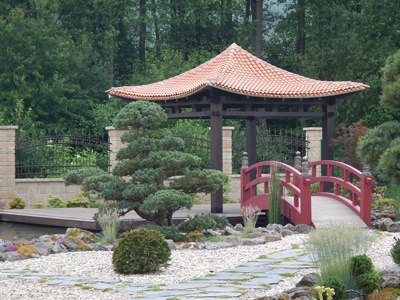
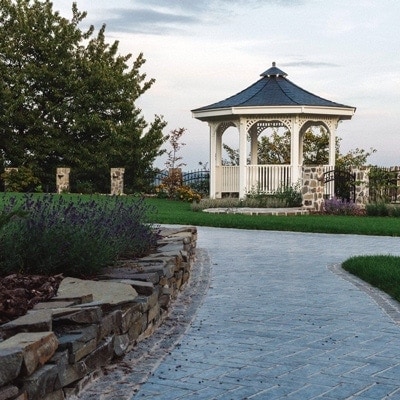
Dreaming of transforming your yard or garden and creating a cosy space where you’re sheltered from bad weather and the sun’s rays? A shelter in the form of a gazebo or pergola is just the thing. You’ll gain a pleasant spot to relax, host a garden party, or enjoy any other activity. So when does a gazebo make sense, and when should you consider a pergola instead?
What is a gazebo and when to choose one
A gazebo is a free-standing structure covered by a roof, usually with open sides. Its supporting frame is made up of posts firmly anchored into the ground. The Slovak name for it, altán, comes from the Latin altus (high) and the Italian altana — a raised rooftop terrace.
The range of gazebos is broad, so you can pick from a variety of shapes, sizes, materials and finishes. A gazebo can be set into the ground with a concrete floor and solid foundations. Alternatively, you can opt for one that simply rests on the lawn or another surface. The possibilities really are endless. Among the most popular are wooden gazebos with semi-open sides. These offer plenty of privacy and protection from the wind, without blocking the view.
So when is a gazebo the right choice? Go for one especially if you want a spot with plenty of privacy in your garden. A gazebo can be placed almost anywhere, including in the far corners of your yard or garden. Ideally, choose a location with a lovely view, while still keeping you shielded from unwanted eyes — from the street, for example.
Don’t forget that the gazebo’s design should complement the look of your house and the overall character of your garden. A wooden gazebo certainly suits a country style. If you have a modern, minimalist home, an aluminium gazebo will probably be a better fit. Either way, the choice is entirely yours.
When does a pergola come into its own?
A pergola differs from a gazebo in many ways. As a rule, it’s part of the house. Its name hints at its origins, too — the word pergola comes from the Late Latin pergula, which referred to a projecting shelter or eaves. It’s a structure made up of posts anchored into the ground and a roof frame. The roof can be open, covered, or adjustable to suit your needs. In this way, a pergola creates a kind of link between the house and the garden.
When choosing between a gazebo and a pergola, it’s important to weigh up their pros and cons so you can decide which structure best suits your needs and preferences. In the following sections, we’ll look at the advantages and disadvantages of gazebos and pergolas to help you make up your mind.
Advantages of a gazebo
- Gazebos offer greater protection from the elements than pergolas, letting you use your outdoor space even in poor weather.
- Gazebos can be fully enclosed, ensuring privacy and protection from insects.
- Gazebos often offer more choice in terms of design and materials, letting you choose a structure that best fits your garden.
Disadvantages of a gazebo
- Gazebos can be more expensive than pergolas, especially if you opt for premium materials or a complex design.
- Building a gazebo can be more demanding and time-consuming than installing a pergola.
- Gazebos can cast shade in the garden, which may affect plant growth.
Advantages of a pergola
- Pergolas are ideal for creating an open, airy space that lets in sunlight and allows air to flow freely.
- Pergolas are usually cheaper and easier to install than gazebos, making them a more affordable option for most people.
- Pergolas can be a great way to support the growth of climbing plants, creating a beautiful green space in your garden.
Disadvantages of a pergola
- Pergolas offer less protection from the elements than gazebos, which means their use can be limited in rain or strong sun.
- Pergolas don’t offer as much privacy as gazebos, since they’re open on all sides.
- Pergolas may require more maintenance.
And what is a pergola for? A pergola can serve in all sorts of ways. It creates shade over a terrace, provides support for climbing plants, doubles as a carport, or separates the terrace from the garden. How you use it is entirely up to you. How about creating a pleasant spot beside the house, perfect for celebrations or dining with the family?
Don’t hesitate to get in touch — we’ll be happy to advise you.
Frequently asked questions
What is the difference between a gazebo and a pergola?
A gazebo and a pergola are both types of garden shelter, but they have different features and functions. A gazebo is a larger, enclosed shelter with a roof, whereas a pergola is an open structure with louvres or beams to shade you from the sun. A gazebo offers greater protection from rain and wind, while a pergola is ideal for creating a shaded space that shields you from the sun.
Which shelter is better for a garden?
The choice between a gazebo and a pergola depends on your needs and preferences. If you want a shelter that protects you from rain and wind and gives you somewhere to sit with friends and family, a gazebo will suit you better. If you want to create a shaded space that shields you from the sun while keeping an open view of the garden, a pergola is the better choice.
Which material is best for a gazebo or pergola?
The right material depends on your preferences and needs. Wooden gazebos and pergolas give a garden a natural, rustic look, but they require regular maintenance and care. Aluminium and metal structures are lower-maintenance, but can be more expensive than wooden alternatives. Choose your material based on your preferences and, above all, on how well the structure will meet the demands of its surroundings.
František Kečkéš
Founder of the family firm Gazebo. He has designed custom pergolas, gazebos and winter gardens since 2009 — from the first sketch through production to installation.
Free consultation →