The History of Garden Gazebos
Gazebo history: the English word dates to the 18th century (c. 1752). A garden kiosk appears on Nebamun’s tomb painting of about 1350 BCE (British Museum).
 František Kečkéš · Updated · 7 min read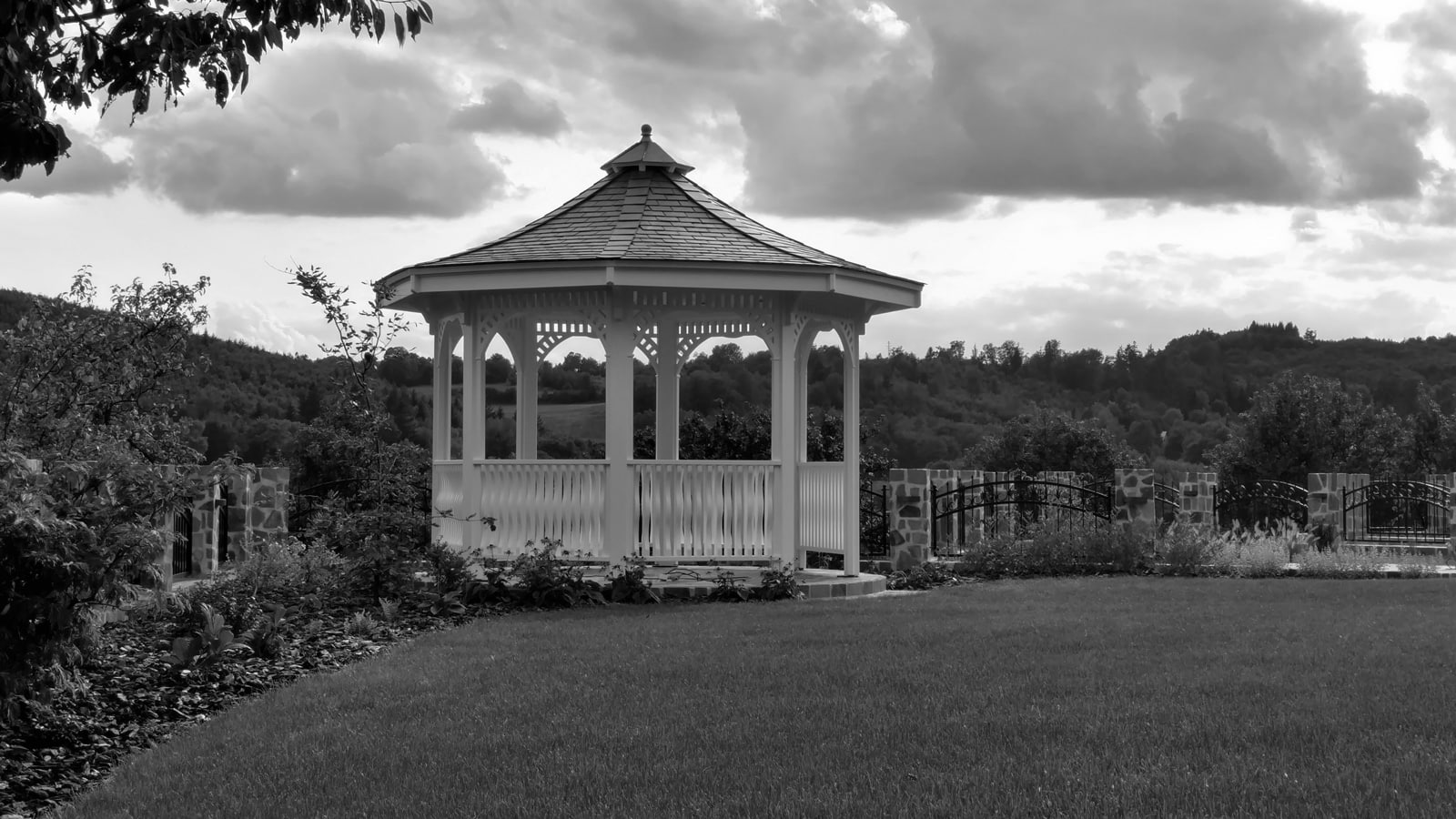
In short:
- Slovak altán comes from Latin altus (high).
- English gazebo is attested in the 18th century, often dated to 1752 (Etymonline).
- A garden kiosk appears on Nebamun’s tomb painting of about 1350 BCE (British Museum).
- Wooden gazebos spread in Slovakia in the 19th century. We still build them to the plot.
A gazebo is not a catalogue invention. It is a roof from which you look into the garden. The shape changed. The job stayed: shade, a view and a place away from the house.
In the workshop since 2009 we mostly draw six- and eight-sided plans. When a client says “something like a park pavilion”, I show that the park only repeated an older habit. If you are choosing a model, start with how to choose a garden gazebo. Here we stay with where the building came from.
Where does the garden gazebo come from?
The oldest securely dated picture of a garden kiosk we can point to is a painting from the tomb of the scribe Nebamun at Thebes. The British Museum dates it to about 1350 BCE (object EA37983). You see a pool, date palms and sycamores. The garden was meant to be a paradise after death, not only a house ornament.
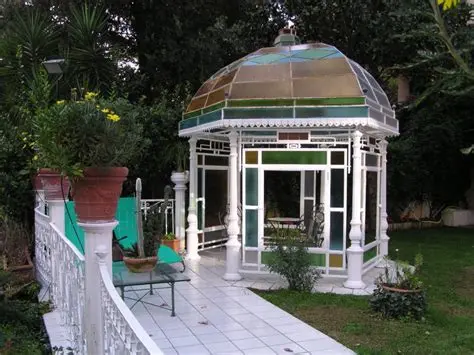
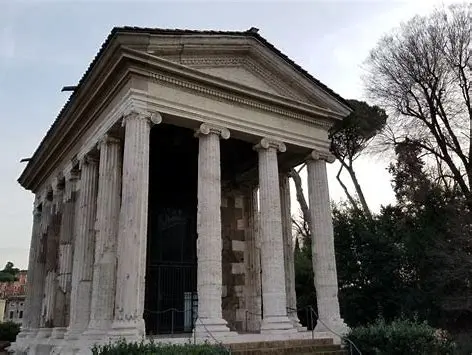
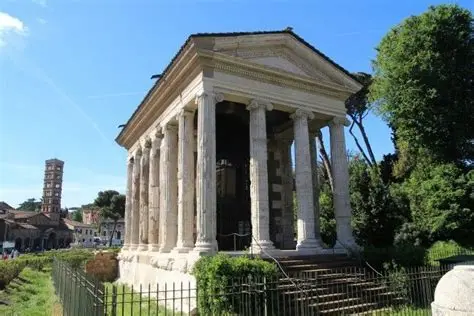
That is not proof that “gazebos are 5,000 years old”. It is proof that New Kingdom Egyptians treated shade by water and a view into green as part of the estate. Later Greek circular buildings (tholoi) and Roman garden pavilions moved the habit into the parks of wealthy citizens. In Pompeii the buildings looked like small temples. They were for rest and company, not for storing tools.
What do the words gazebo and altán mean?
Slovak altán comes from Latin altus, high. The name fits a building that stands above the lawn and holds a view. English gazebo is a different joke: probably gaze plus a Latin ending like videbo (I shall see). The first attestations are from the mid-18th century; 1752 is the date often given (Etymonline).
Italian belvedere means a beautiful view. Same idea, other word: a roof you look from. That is why we do not build a gazebo with its back to the garden. Spot and orientation are in where to put a gazebo.
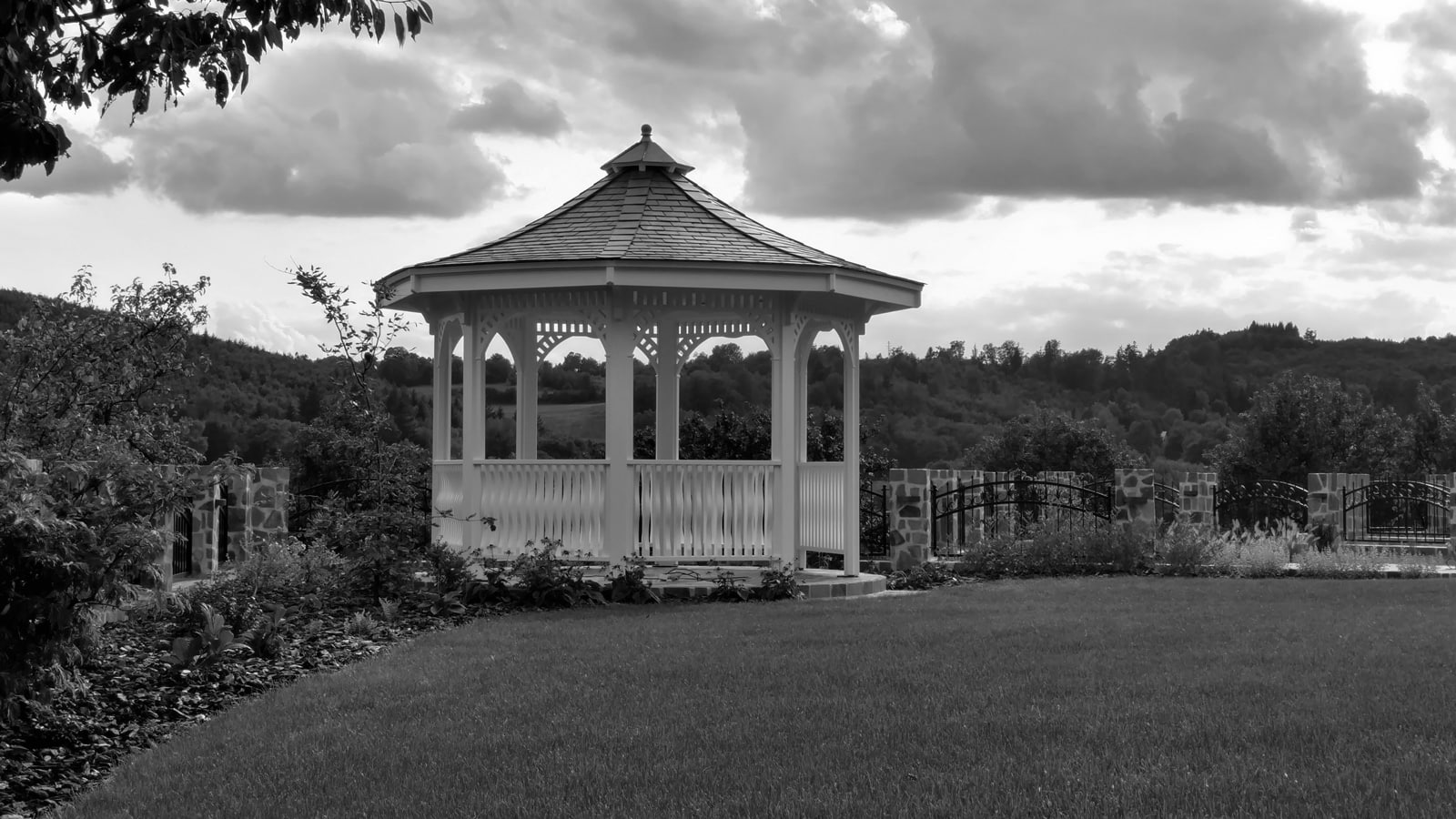
When I draw an octagonal Victoria on a survey, the client often says they want “a classic gazebo like in a film”. Classic here is not a square kit from a DIY shed. It is the same view from every seat. That is why we have kept the octagon since 2009.
How did gazebos spread through Europe, Japan and Slovakia?
In Persian gardens, tents and later domed pavilions stood by water. In Japan a similar building had another job: a tea house and a rite, not a barbecue. If you want that direction, see the Hinode gazebo and building the Hinode Japanese gazebo.
In medieval Europe, pavilions appeared by monasteries and in castle gardens. Italy kept the word belvedere. In 16th- to 18th-century France and England they became part of the park: the centre of a French axis, or a romantic point on an English lawn. The 19th century brought metal and glass. In Slovakia, wooden gazebos spread through town and burgher gardens in that century. In the 20th they reached ordinary yards.
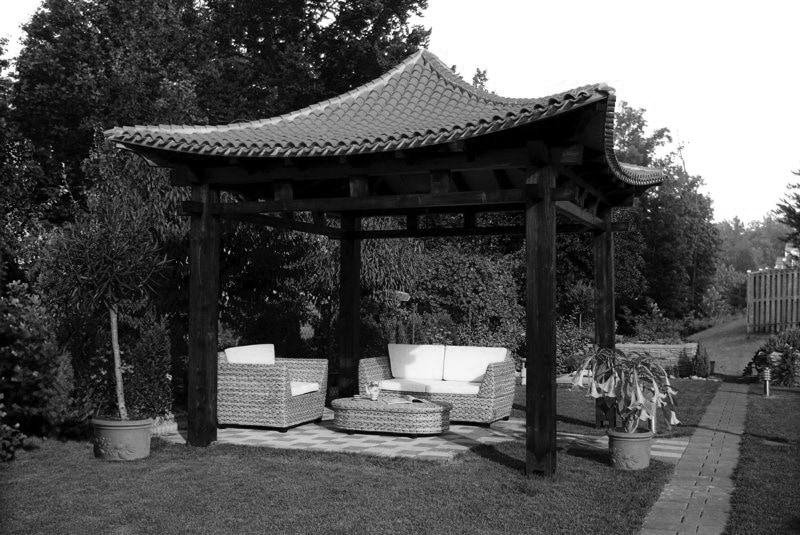
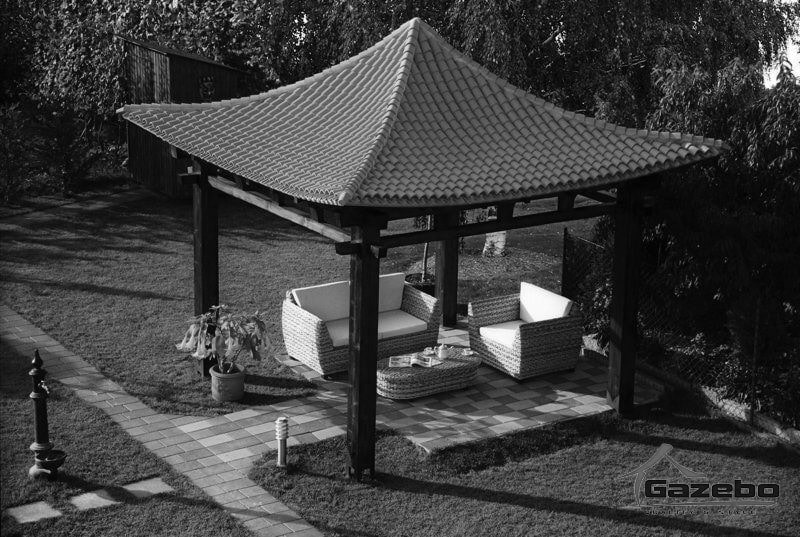
What from the history still holds when we build today?
The job holds: shade, a view and distance from the house. Timber and anchors change. We still grade wood by EN 350. An octagon holds the view; a square sits on a terrace. Closed walls extend the season but change the building. If you want a room in frost, you have left gazebo history. You are at how to choose a winter garden.
A garden gazebo today can be open, half-closed or made to the plot. A continuation of shapes, not a copy of a tomb. If you want a present-day form without the history, see modern custom gazebos. When you know which story you want in the yard, ask for a consultation.
Frequently asked questions
Where do the words gazebo and altán come from?
Altán from Latin altus, high. Gazebo is an 18th-century English word, often dated to 1752 (Etymonline): gaze plus a Latin ending in the sense “I shall look”.
What is the oldest attested garden kiosk?
The garden painting from Nebamun’s tomb, about 1350 BCE, in the British Museum (EA37983). It shows water, trees and shade, not a modern octagon.
When did gazebos reach Slovakia?
Wooden gazebos spread here in the 19th century in town and burgher gardens. In the 20th they reached ordinary yards. Today we build them to use and to the plot.
František Kečkéš
Founder of the family firm Gazebo. He has designed custom pergolas, gazebos and winter gardens since 2009 — from the first sketch through production to installation.
Free consultation →