How to Choose a Winter Garden
Choose a winter garden by aspect, glazing and heating. Plain double glass is about U 2.8 W/(m²·K); modern triple can fall below 1. Check the U-value now.
 František Kečkéš · Updated · 7 min read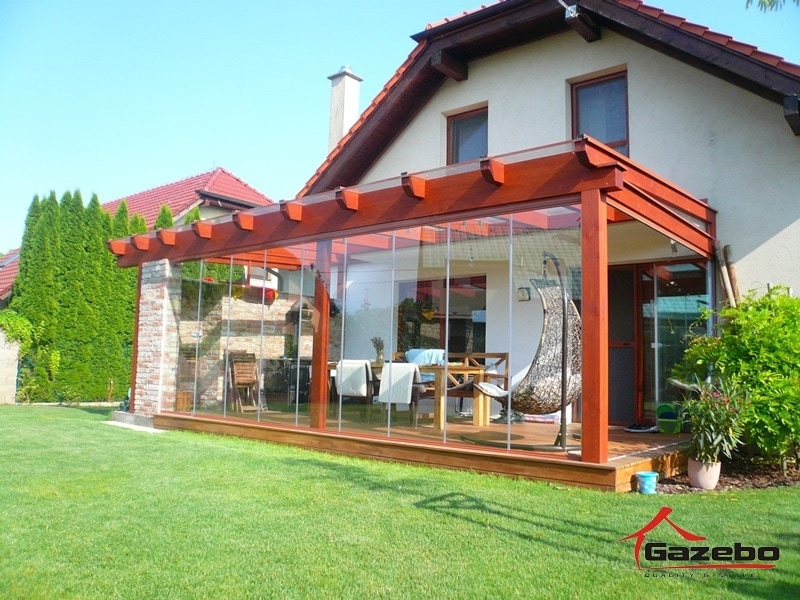
In short:
- A winter garden is a glazed room on the house, not a gazebo with curtains. See also the winter garden idea of a glazed living space.
- Decide use first: a room for January, or a seasonal space without heat.
- Plain double glass is about U 2.8 W/(m²·K); modern triple can fall below 1 (insulated glazing).
- This article is the choice. Model prices are in the winter garden price list.
A winter garden is a room made of glass. A gazebo or pergola keeps rain off. This building holds heat when it freezes outside, if it is designed for that. So you do not choose it from a photo of flowers. You choose it by aspect, glazing and whether you want to sit there in January.
On surveys I ask first whether it should be a living room or a longer terrace. That decides glass thickness and heating. If you are still choosing between a room and cheaper glazing, the comparison is in winter garden vs glazed terrace.
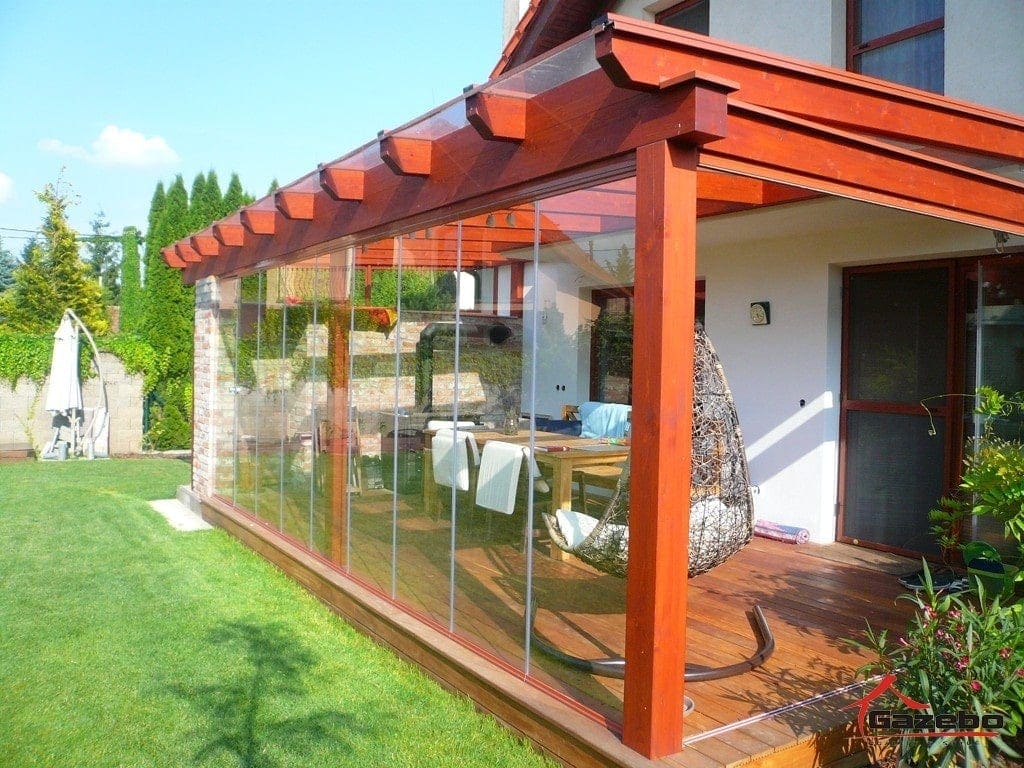
How should you orient a winter garden?
Aspect governs solar gain: how much sun arrives in winter and how much in July. South gives light all year and overheats in summer. North is cool and suits people who do not want direct sun. South-east and south-west are the compromise: morning or afternoon light without the hottest noon.
In southern Slovakia snow cover lasts on average under 30 days (SHMÚ). That does not mean you can skip heating. It means we fight summer overheating more often than snow on the roof. External shade comes before an indoor curtain.
On a recent survey near Nitra the client wanted the whole south wall in glass “so it is warm in winter”. On an August afternoon that room would have been unusable. We put shade in front of the glass and left vents high up. Winter heat stayed. In summer there was a way out.
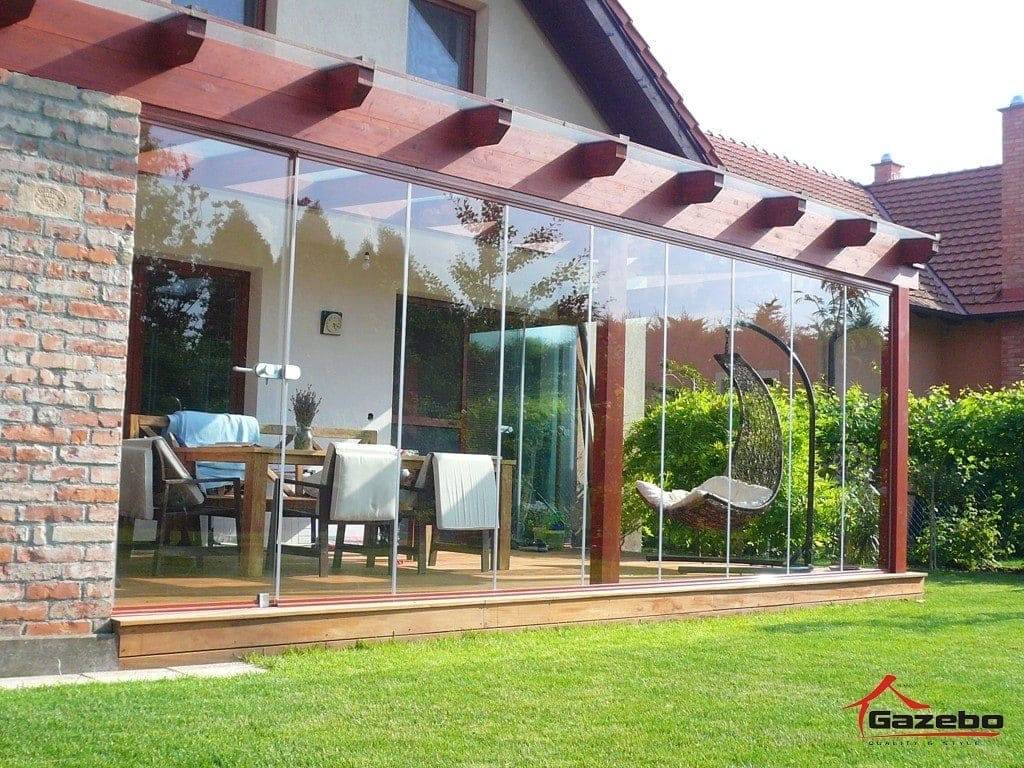
What glazing should you choose?
Glass decides winter and summer. Insulated glazing uses the U-value: the lower the number, the less heat escapes. Plain double glass without a coating sits around 2.8 W/(m²·K). Modern triple glass with a coating and argon can fall below 1 W/(m²·K). Single glass stays around 5 to 6 and does not belong in a year-round room.
Aluminium profiles hold large panes and need little care. That is why we use them on most winter gardens. Choose doors by the path: a swing leaf where there is room to open, a slider where the table sits tight to the glass. Ventilation belongs in the drawing, not as an extra after the first heatwave.
| Glass type | Typical U | When we use it |
|---|---|---|
| Single | about 5–6 W/(m²·K) | seasonal shelter only, not a room |
| Double | about 1.1–2.8 depending on coating | seasonal space, milder winter |
| Triple | often below 1 W/(m²·K) | year-round living winter garden |
Heat it all year, or keep it seasonal?
A year-round room needs heat, seals and a low U. A seasonal space without heat is cheaper and you will not sit in it in January. Tropical plants are not saved by a slogan. They are saved by a temperature you can hold. So we tie temperature to use, not to a catalogue flower.
If you want a room for reading and breakfast, count on heat from autumn. If you only want to stretch the terrace into November, simpler glass and external shade will do. The benefits without the spec sheet are in five reasons for a winter garden. Which heating system suits which use is covered in heating a winter garden.
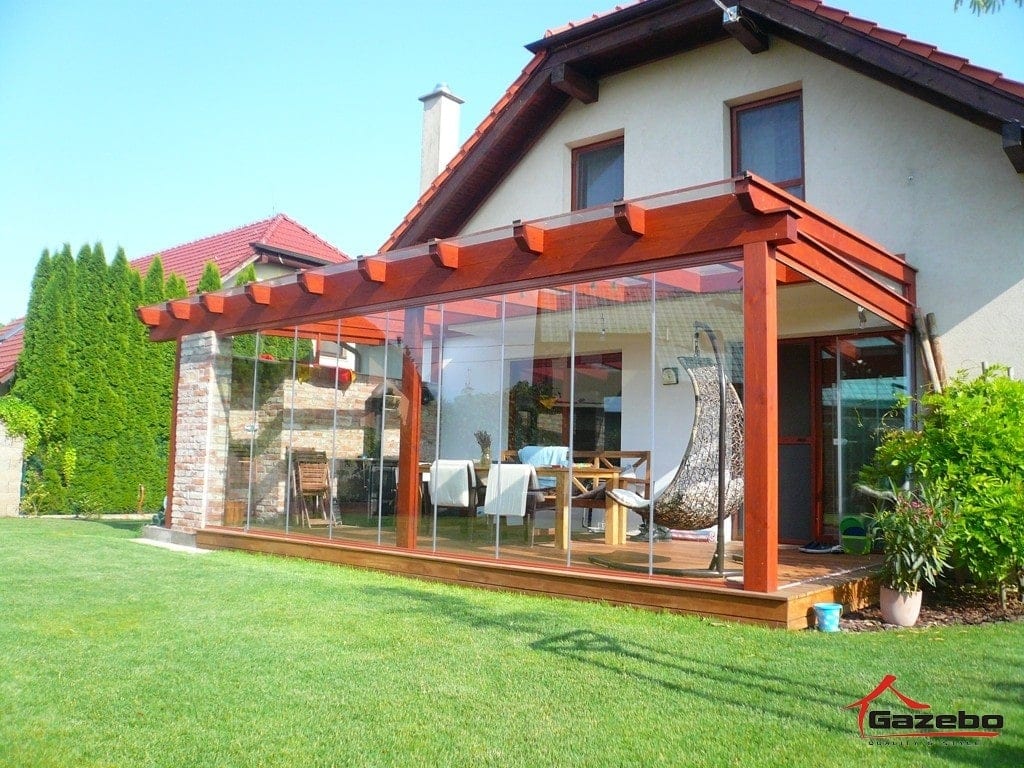
What size should sit on the house?
One that looks like part of the house, not a stuck-on greenhouse. We measure the facade width, the eaves height and the path from the kitchen. A large garden will not save a bad gutter joint. A small one is enough if a table and an open door fit.
Plants come after temperature and ventilation. Citrus and palms want warmth and moisture. Succulents take a cooler corner. Room first, pot second.
When you have aspect, use and a rough plan, ask for a consultation. On the survey we will show whether this is a winter garden or only glazed terrace weather. Because it is a permanent glazed building on the house, check early whether you need building notification and planning permission.
Frequently asked questions
What is a winter garden?
A glazed building on the house that extends the living space. It differs from a gazebo by the seals and by the job of holding heat, if it is designed for that.
What orientation is best?
South-east or south-west as a compromise of light and overheating. South needs shade. North is cooler. Decide by when you sit in the room.
Can you use a winter garden in winter?
Yes, if you have triple glass or good double glass, seals and heat. Without heat it is a seasonal space. Check the U-value on the drawing, not only in the catalogue.
František Kečkéš
Founder of the family firm Gazebo. He has designed custom pergolas, gazebos and winter gardens since 2009 — from the first sketch through production to installation.
Free consultation →