Pergola & Gazebo Materials and Maintenance Guide
Pergola and gazebo maintenance by material: wood, aluminium and textiles. Galvanised steel lasts 70 to 90 years maintenance-free. When to clean, check and coat?
 František Kečkéš · Updated · 8 min read
In short: Maintaining a pergola or gazebo depends on the material. Wood needs regular cleaning, sanding and reapplication of protective coatings; aluminium only needs the occasional wash with a mild soapy solution. Clean fabric covers and canopy roofs with mild soap, air-dry them and avoid harsh chemicals. The most durable choice is hot-dip galvanised steel, which lasts 70 to 90 years on solid structures with no maintenance.
Maintaining a pergola or gazebo stands or falls on the material the structure is built from. Wood needs the most attention, aluminium almost none, and textiles somewhere in between. This article is the hub for our whole series on care: you’ll find an overview of the materials, recommended maintenance intervals and links to detailed guides for each task. If you’re dealing with a specific material or season, click straight through to the specialist article.
Key takeaways
- Wood’s natural resistance to rot is graded by the EN 350 standard on a scale from 1 (most resistant) to 5; teak falls into class 1, pine sits in the middle of the scale.
- An aluminium structure gets by with a wash in a mild soapy solution, while a wooden one needs its coating reapplied at regular intervals.
- Hot-dip galvanised steel lasts 70 to 90 years on solid structures with no maintenance, which makes it the most durable choice for load-bearing elements.
- Clean fabric covers and canopy roofs with mild soap and always let them air-dry, otherwise you risk mould.
- Strong joints made with stainless steel brackets or galvanised screws, plus proper anchoring, decide stability more than the roof material itself.
What materials are used for pergolas and gazebos?
Most often wood, aluminium, steel and, for roofs, polycarbonate or metal. Wood’s natural resistance to rot is graded by the EN 350 standard on a scale from 1 (most resistant) to 5: teak falls into the most resistant class, 1, while native timbers such as pine sit in the middle of the scale and, without a protective coating, last a much shorter time. It’s this durability class that determines how often you’ll need to treat the structure.
Exotic woods such as teak and ipe offer exceptional durability and a rich natural tone, but they tend to be more expensive and call for special oils. Native timbers such as cedar and pine are more affordable, easy to work with and can be stained to any shade to match your style, though they need their coatings renewed more often.
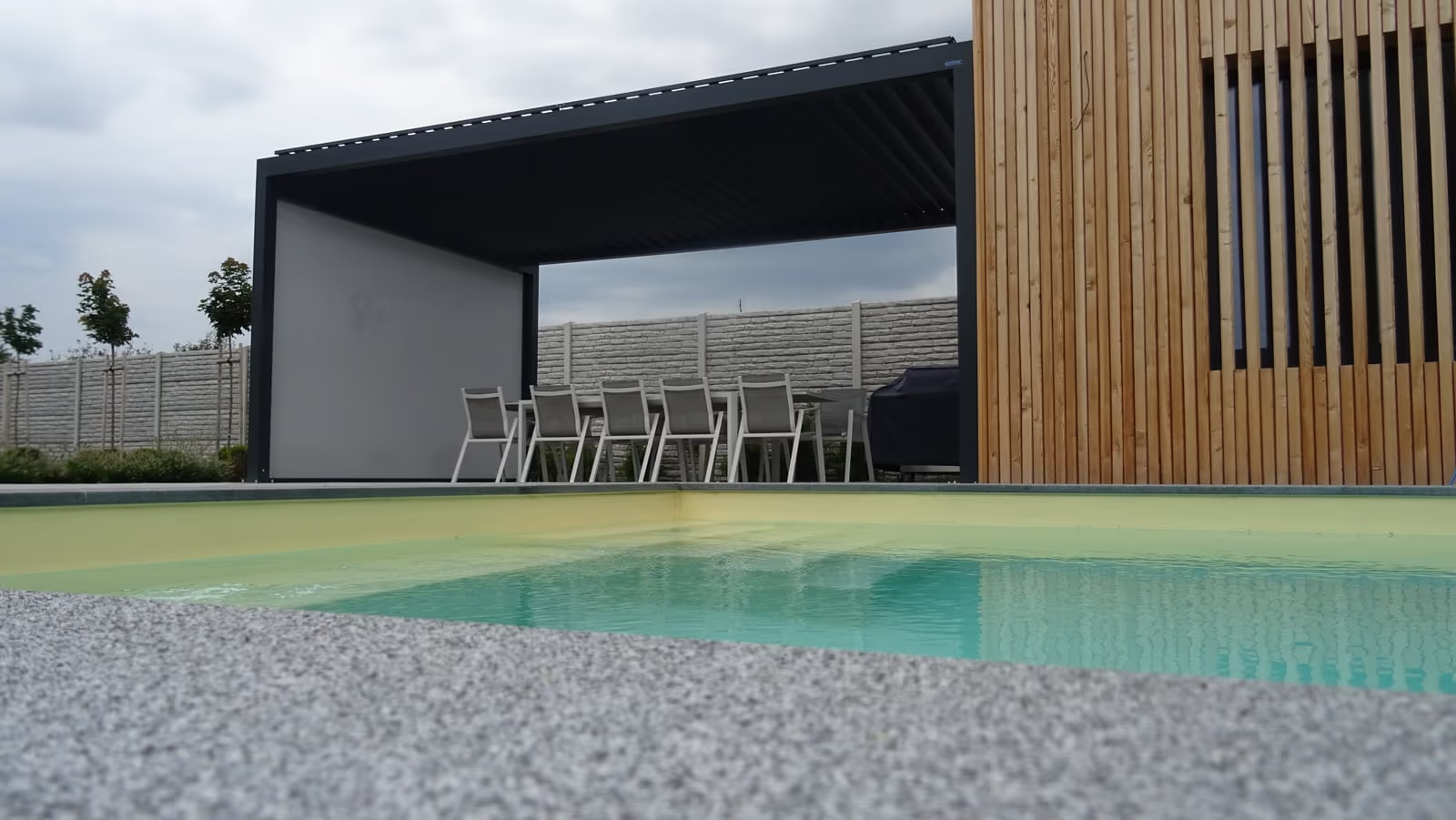
Aluminium and steel handle durability differently: they don’t take on moisture and don’t rot, so care comes down to cleaning and checking the joints. You’ll find a detailed comparison of materials, including prices and service life, in the article on how to choose the best materials for your pergola.
How often should a pergola and gazebo be maintained?
From our own practice a simple rule holds: two inspections a year, the rest depending on the material. Check and wash a wooden structure in spring and renew the protective coating according to the state of the surface, usually after a few seasons. An aluminium pergola only needs a wash with a mild soapy solution once or twice a year. Clean textiles as they get dirty and always before storage. Check the joints, anchoring and water drainage at both the start and the end of the season.
The exact procedure varies by material and season, so we’ve broken it out into separate guides:
- Aluminium structures: how to care for an aluminium pergola is our canonical guide for this material.
- A neglected structure: how to revive an older pergola and bring back its original look.
- Before winter: how to prepare your garden gazebo for winter.
- Before the season: how to care for your gazebo and pergola before the season starts, that is, the pre-season check and clean.
- Lighting: how to plan pergola and gazebo lighting, including cabling, IP ratings and caring for the fittings.
How do you clean textiles and a canopy roof?
With mild soap, lukewarm water and a soft brush, never with harsh chemicals. First clear fabric surfaces of loose dirt, then treat stains with a soapy solution and rinse thoroughly so no soap residue stays in the fibres. A soft-bristled brush handles even stubborn marks without damaging the material. Bleach and aggressive chemicals weaken the fibres and cause fading, so avoid them. Always let covers air-dry before reattaching them, otherwise mould forms in the folds.
Cleaning fabric covers
Work gently: brush off the dirt, treat stains with a soapy solution, rinse with clean water and let it air-dry. A quick response to stains is more effective than one big clean at the end of the season and extends the life of the fabric.
Cleaning a canopy roof
Remove debris with a soft brush or broom, then go over the canopy with mild soap and warm water and rinse it with a garden hose. Avoid a pressure washer — the force of the water damages the surface finish. Let the canopy dry completely before retracting and storing it, and while you’re at it check for any scuffs or tears; minor damage dealt with in time saves a later replacement.
Structural joints and anchoring
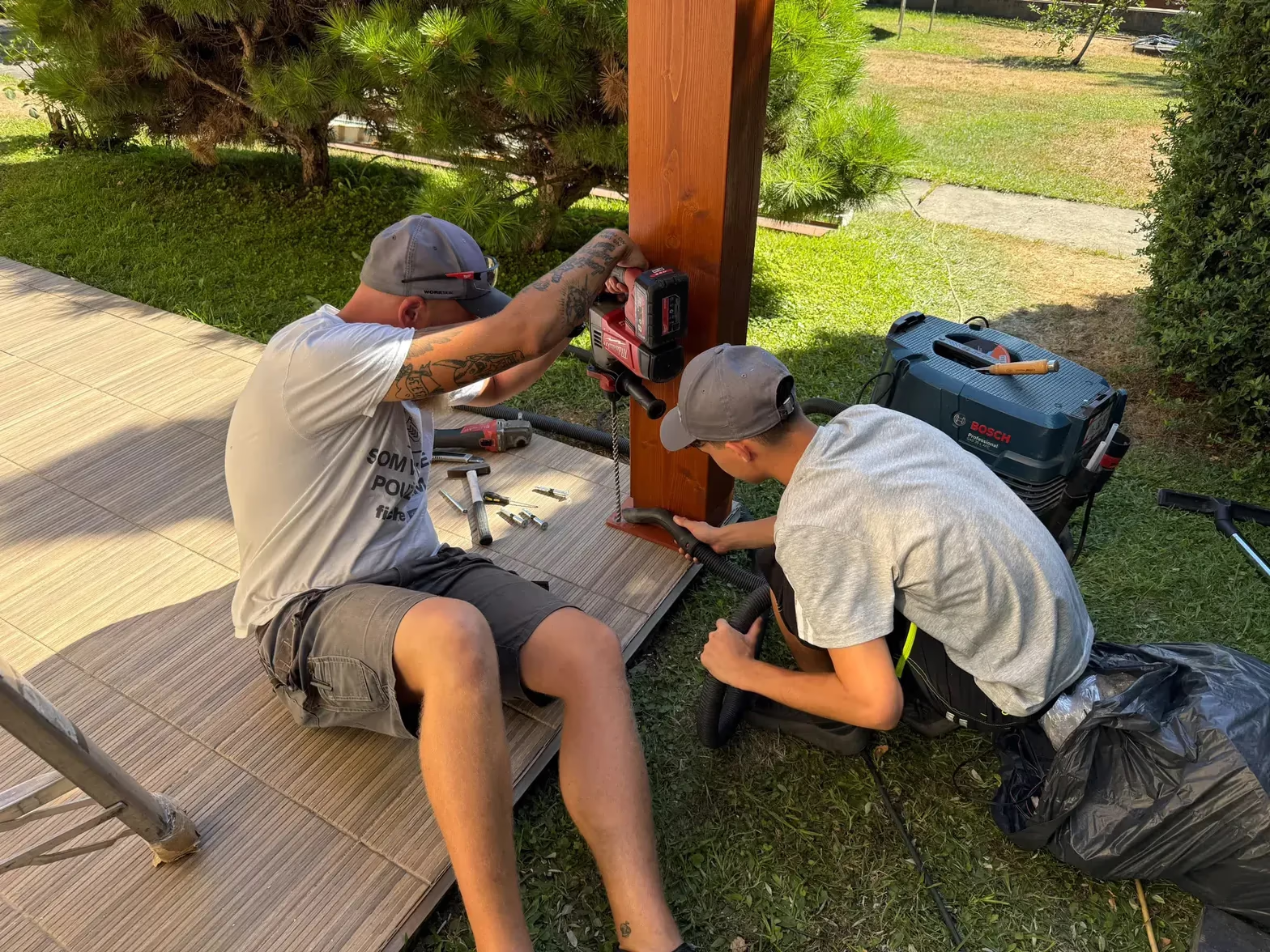
Joints and anchoring decide the stability of a structure more than the roof material does. Choose stainless steel brackets or galvanised screws, which resist rust and corrosion; traditional joints such as mortise and tenon provide a strong, clean connection between wooden elements. Start anchoring by choosing the spot with soil type and drainage in mind. Concrete foundations give the structure reliable support, especially in areas with gusty wind, and metal anchor brackets add stability to wooden structures.
The deeper the anchor, the safer the whole build. Check the anchoring components regularly for signs of wear or corrosion, ideally during the pre-season inspection. A loose screw or a corroded bracket can be replaced in minutes; a cracked post cannot.
Which roof covering lasts the longest?
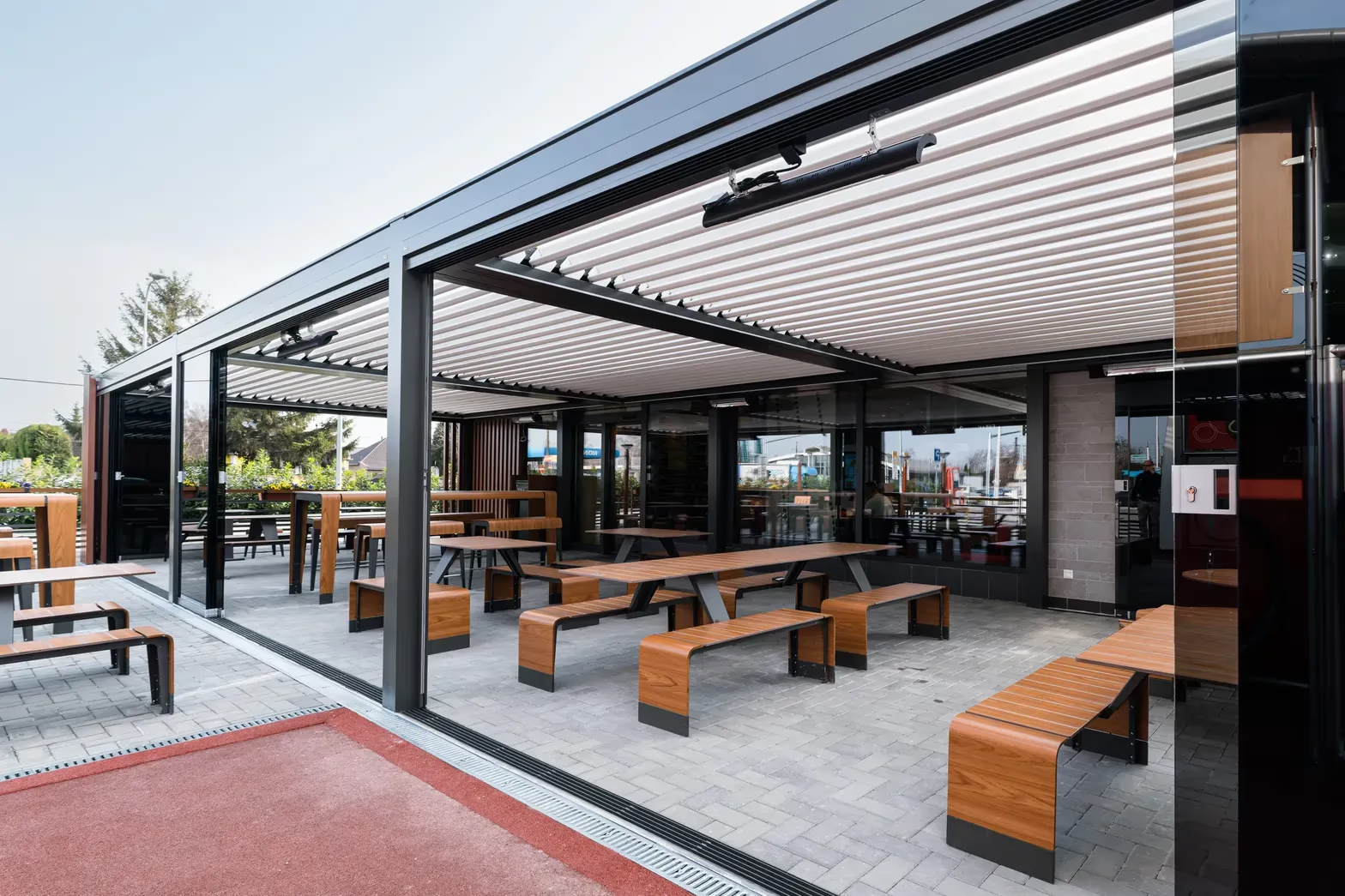
Metal lasts the longest, specifically hot-dip galvanised steel, which lasts 70 to 90 years on solid structures with no need for maintenance. Plastic and polycarbonate coverings are light and resistant to UV radiation — polycarbonate blocks almost the entire relevant UV spectrum, including both UVA and UVB — but aesthetically they don’t reach the level of wood or metal. Wooden coverings blend naturally into a garden, but they demand the most maintenance.
Your choice affects not only the look but also how much time you’ll spend on the structure each year. Decide according to the climate at your location, your budget and your preferred design, not just the price per square metre.
Colours and aesthetics: what to consider?
Colour affects both the look and the maintenance. Light shades of fabric feel fresh and spacious, but visible dirt shows up sooner; darker colours bring cosiness but absorb more heat, so a shaded spot under a dark canopy will be warmer. With a canopy roof, expect the sun to fade the shades over time, so choose quality fabrics with UV stabilisation.
With wood, the stain or finish is what matters. Soft, earthy tones blend into the landscape, while darker ones make the pergola a focal point of the garden. More important than the shade, though, is the protective function: a quality finish protects the wood from moisture, UV rays and insects, and it’s this that decides how often you’ll renew the coating. Match the shade to the architecture of the house and the garden flora, but choose according to covering power and durability.
Frequently asked questions
How long does it take to build a pergola or gazebo?
Building a pergola or gazebo usually takes one to two days, depending on its complexity and your experience. With professional installation it tends to be quicker. Plan the base and anchoring preparation in advance — that’s where the most common delays arise.
What permits are needed to build a pergola?
In Slovakia, the new building act (Act No. 25/2025 Z. z.) has been in force since 1 April 2025, under which minor buildings up to 50 m² of footprint and up to 5 m in height need no building permit. Always verify local regulations and setback distances from the property boundary with the relevant building authority, as rules differ from place to place.
Can a pergola be adapted for people with reduced mobility?
Yes. Design wide, smooth paths for wheelchair access, keep to a level surface without thresholds and add handrails. Higher seating and enough room to turn also help, making the space comfortable for everyone.
How does the weather affect the life of a pergola?
The sun fades colours, rain and moisture lead to rot in wooden elements, and snow and wind strain both the structure and the anchoring. That’s exactly why regular maintenance is decisive: the combination of UV radiation and moisture damages an unprotected surface far faster than the age of the structure alone.
What are the latest trends in pergola and gazebo design?
Minimalist shapes, eco-friendly materials and the integration of smart technology, such as motorised louvers or rain sensors, are prevailing. Vertical gardens, solar lighting and modular components that let you expand the space over time are also popular.
František Kečkéš
Founder of the family firm Gazebo. He has designed custom pergolas, gazebos and winter gardens since 2009 — from the first sketch through production to installation.
Free consultation →