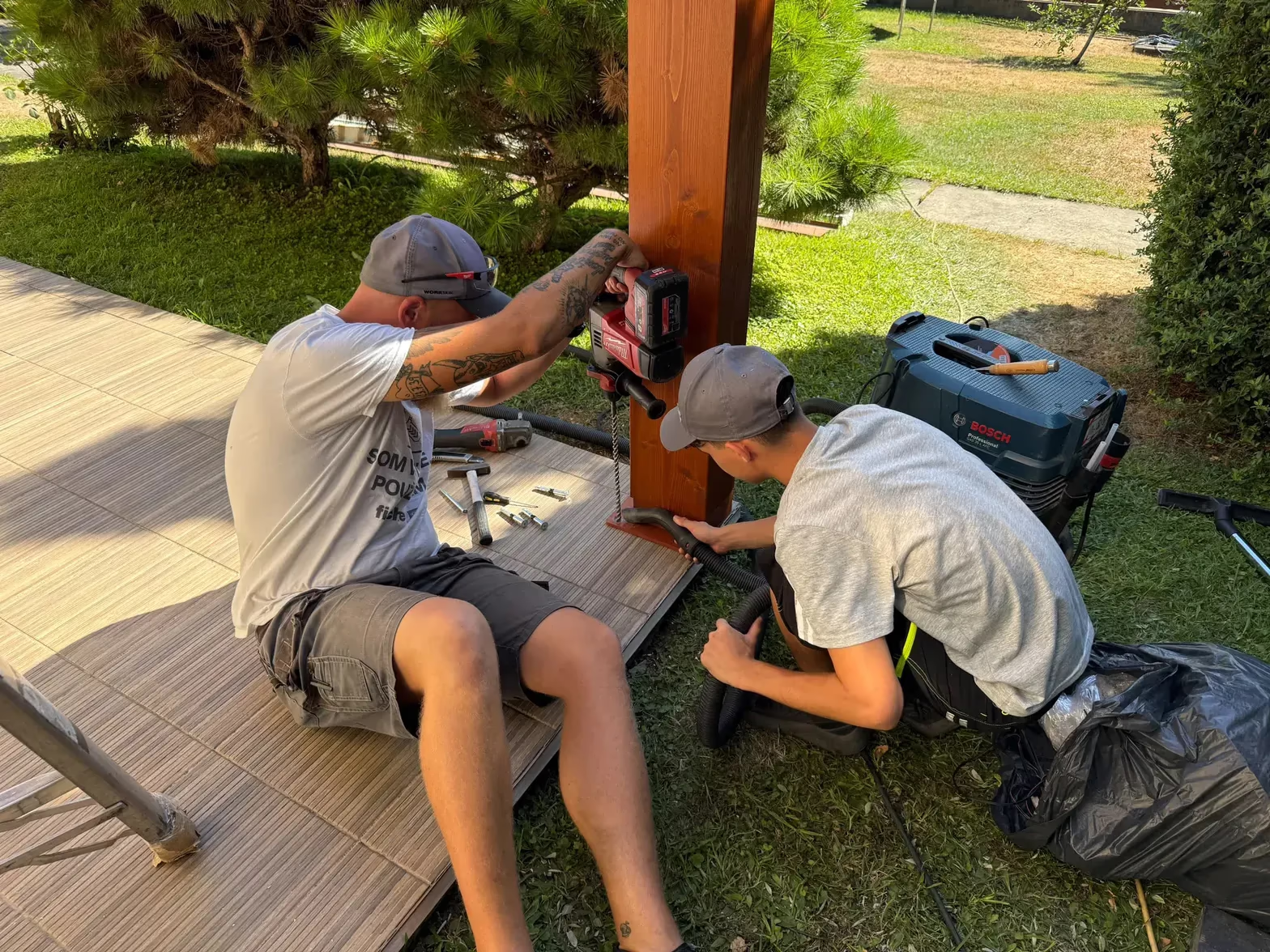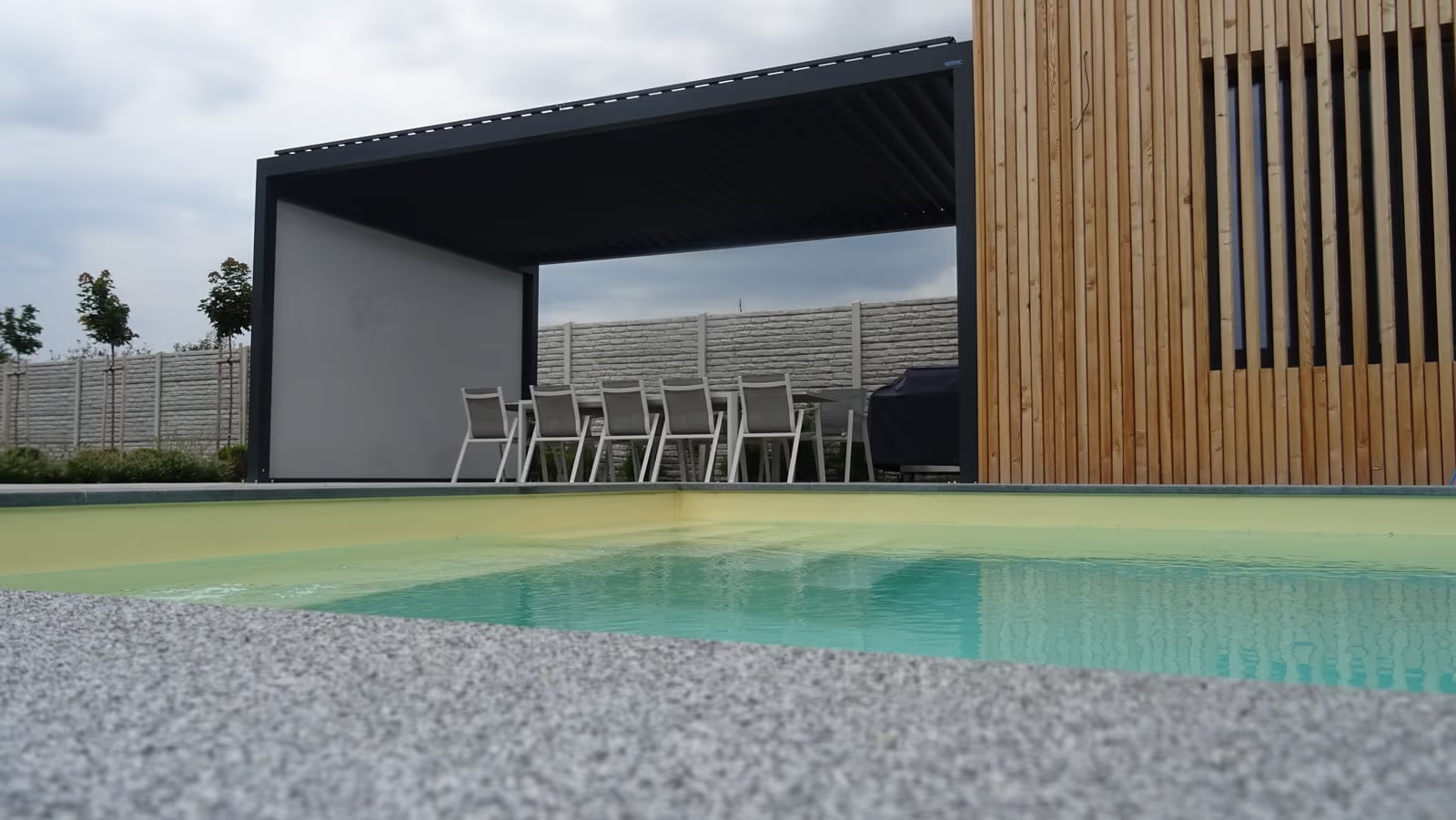
How to Prepare Your Garden Gazebo for Winter
Winterise your gazebo before frost: clear it, clean drains, check the wood. Snow lasts under 30 days in south Slovakia, over 80 in the mountains (SHMÚ).
 František Kečkéš · Updated · 7 min read
In short:
- Start before the first regular frosts. On Slovak lowlands, snow can fall from October to April (SHMÚ).
- Clear furniture, clean the drainage and tighten joints while the structure is still dry.
- Snow cover lasts under 30 days in the south and over 80 in the mountains. Match your checks to the site.
- Renew the surface coating only where water no longer beads on the timber.
A garden gazebo will get through winter without serious damage if you prepare it before the first frosts. You do not need a rebuild. Remove what would get wet, clean the structure and check the spots where water sits.
On autumn service visits we keep seeing the same pattern. The worst damage is not one frost. It is water that freezes in a joint, a gutter or at the footing. A timber model also needs a look at the coating. For the roof and drainage, the same rules apply to most builds. If you are unsure about your own garden gazebo, start with an inspection after rain.
When should you prepare a garden gazebo for winter?
On Slovak lowlands, snow can fall from October to April (SHMÚ, climate of the Slovak Republic). That is also when to start. You need a dry day for cleaning, a roof check and any timber treatment. If winter arrives early, at least clear the drainage, check the joints and put loose items away.
Waiting for “the right November weekend”? After the first night frost it is already late for a coating. Damp timber will not take it, and water in a crack only grows through winter.
What should you remove from the gazebo before the first frosts?
Take textiles, cushions and small items indoors before the first lasting snow. Solid furniture can stay if it is made for outdoors and is not standing in a puddle. With the floor clear you will see the whole structure: boards, posts and the fixings at the base.
Garden furniture does not have to go into the house. It does have to stay dry, and metal joints should be free of rust. Treat wooden parts as the maker recommends. Practical advice on choosing and caring for seating is in how to choose garden furniture.
Grill, fire bowl, tools? Take them out. Wind and moisture will damage those before they damage the frame.
How do you clean the floor, roof and drainage?
Leaves in a gutter hold water. After a frost, a small blockage often becomes a cracked outlet. Sweep the floor, the corners and the space under the roof. Then wash the floor in a way that suits the material. Go easy on water with timber, and let it dry before night-time lows.
Look at the posts. Furniture often hides them, and moisture lingers there longest. After the season, that is where we find soft timber and loose anchors.
Tip: Do the check in daylight after rain. You will see whether water runs away from the structure or sits at the foot of a post.
How do you check the roof, joints and timber before winter?
Walk the gazebo inside and out and fix small faults before the frost. Tighten screws, check the anchoring and look for cracks, soft spots or flaking paint. Moisture and freeze-thaw will widen a small gap over winter.
The roof deserves extra attention. The covering must sit tight and water must have a way out. If you live where snow is common, also read whether snow is a problem for a pergola or gazebo. Do not overload the structure. If you are unsure, follow the design it was built to.
What do we check first on an autumn service call? The post-to-floor joint and the roof outlet. Damage shows there first.
When should you renew the wood protection before winter?
Timber does not need the same treatment every year. If the coating has lost its film, water soaks in or damage is visible, renew the protection before winter. Clean the surface, let it dry and follow the product instructions.
Deep protection is applied in production. In vacuum-pressure impregnation the agent is forced into the timber at 8 to 10 bar (Bochemit). A surface coating has a different job: it keeps moisture and sun on the outside. For wider care, see the pergola and gazebo maintenance guide.
A simple test: splash a post. If the water stays in beads, the coating still holds. If it soaks in, it is time to renew it.
How often should you check the gazebo during winter?
In southern Slovakia snow cover lasts on average under 30 days, on the Eastern Slovak Lowland over 40 days, in basins 50 to 70 days and in the mountains over 80 days (SHMÚ). On the High Tatras peaks it is more than 120 days. So do not follow a calendar. Follow the site and the weather.
| Area | Average snow-cover duration | Source |
|---|---|---|
| Southern Slovakia | under 30 days | SHMÚ |
| Eastern Slovak Lowland | over 40 days | SHMÚ |
| Basins | 50 to 70 days | SHMÚ |
| Mountains | over 80 days | SHMÚ |
| High Tatras peaks | over 120 days | SHMÚ |
After the first snow and after a strong wind, walk the gazebo briefly. Clear wet leaves, check the outlets and watch for a heavy layer on the roof. Remove snow carefully, without tools that would scratch the covering. If you see sagging, a loose joint or a damaged roof, do not wait until March.
When is a larger repair or a replacement worth it?
Repeated leaks, soft timber at the anchoring or a roof that cannot take the local snow are not an autumn tidy-up. Have the structure assessed on site. For a new build, start with how to choose a garden gazebo.
We have built gazebos in our own workshop since 2009. A survey on the plot tells you more than a general article. If you want to talk through the structure or a new made-to-measure gazebo, book a no-obligation consultation. Once winter is over, pick things back up with pre-season care.
Frequently asked questions
When should I prepare the gazebo for winter?
Start after the main season, before regular frosts. On the lowlands here, snow can fall from October to April (SHMÚ). You need a dry day for cleaning and coating. If winter comes early, at least do the drainage, the joints and anything left lying about.
Do I have to remove all the furniture from the gazebo?
Take textiles, cushions and small items into the dry. Solid furniture can stay if it is made for outdoors and is not sitting in a puddle. Clean it anyway and cover it only with a breathable material. Do not leave it tight against the anchoring.
How often should I check snow on the roof?
In the south, a look after a heavier fall is enough. In basins and mountains, where snow sits for 50 to 80 days or more (SHMÚ), check after every larger fall and thaw. Do not wait until the snow turns into an ice slab.
Does the timber need painting every year?
Not always. The coating depends on the species, the aspect and the weather. Inspect the surface every autumn. If it is cracked, dull or water no longer beads, renew the protection before the frost.
František Kečkéš
Founder of the family firm Gazebo. He has designed custom pergolas, gazebos and winter gardens since 2009 — from the first sketch through production to installation.
Free consultation →