The Best Materials for Your Pergola
Best materials for your pergola: compare wood and aluminium for looks, durability and upkeep — and see how recycling aluminium saves up to 95% of energy.
 František Kečkéš · Updated · 5 min read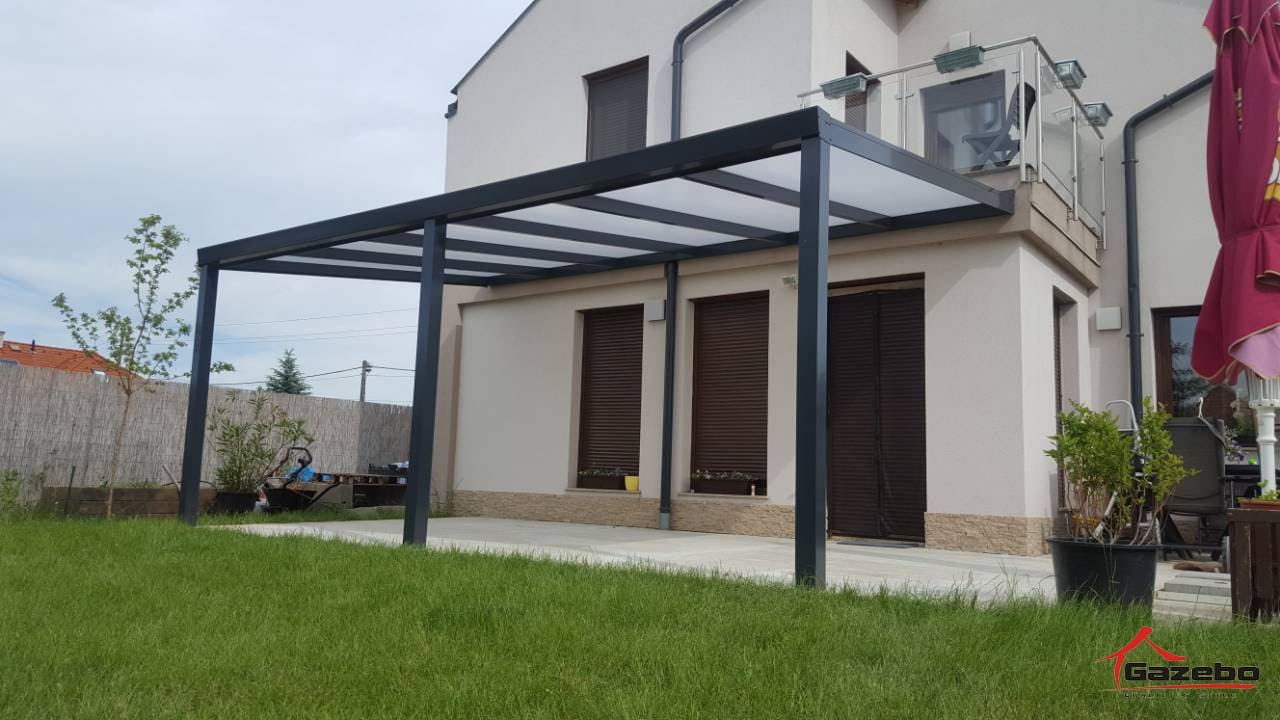
In short: The two most common pergola materials are wood and aluminium. Wood offers a natural, warm look and a cooler space beneath, but it needs regular maintenance. Aluminium doesn’t rust, needs minimal upkeep, is weather-resistant and can be finished in any colour. Which is best depends on your personal preferences and your garden’s conditions.
Looking for materials to build your new pergola? It’s a big investment in your home, so it’s important to know which materials are best for your pergola.
Wood is the traditional material for pergolas. Its natural look and warmth give any yard a pleasant atmosphere. However, if you want your pergola to last a long time, wood requires regular maintenance and protection from the weather. Aluminium pergolas are a modern, durable solution. They’re weather-resistant and need minimal maintenance, making them ideal for anyone who doesn’t have the time or inclination for the regular care that wood demands.
When choosing the material for your pergola, you need to weigh up various factors such as weather resistance, maintenance, price and looks. Choosing the right material is key to your long-term satisfaction and the durability of your shelter. In this blog post we’ll introduce some of the best materials suited to pergolas and compare their pros and cons.
This information will help you decide which material is best for your garden pergola and will meet your expectations and needs.
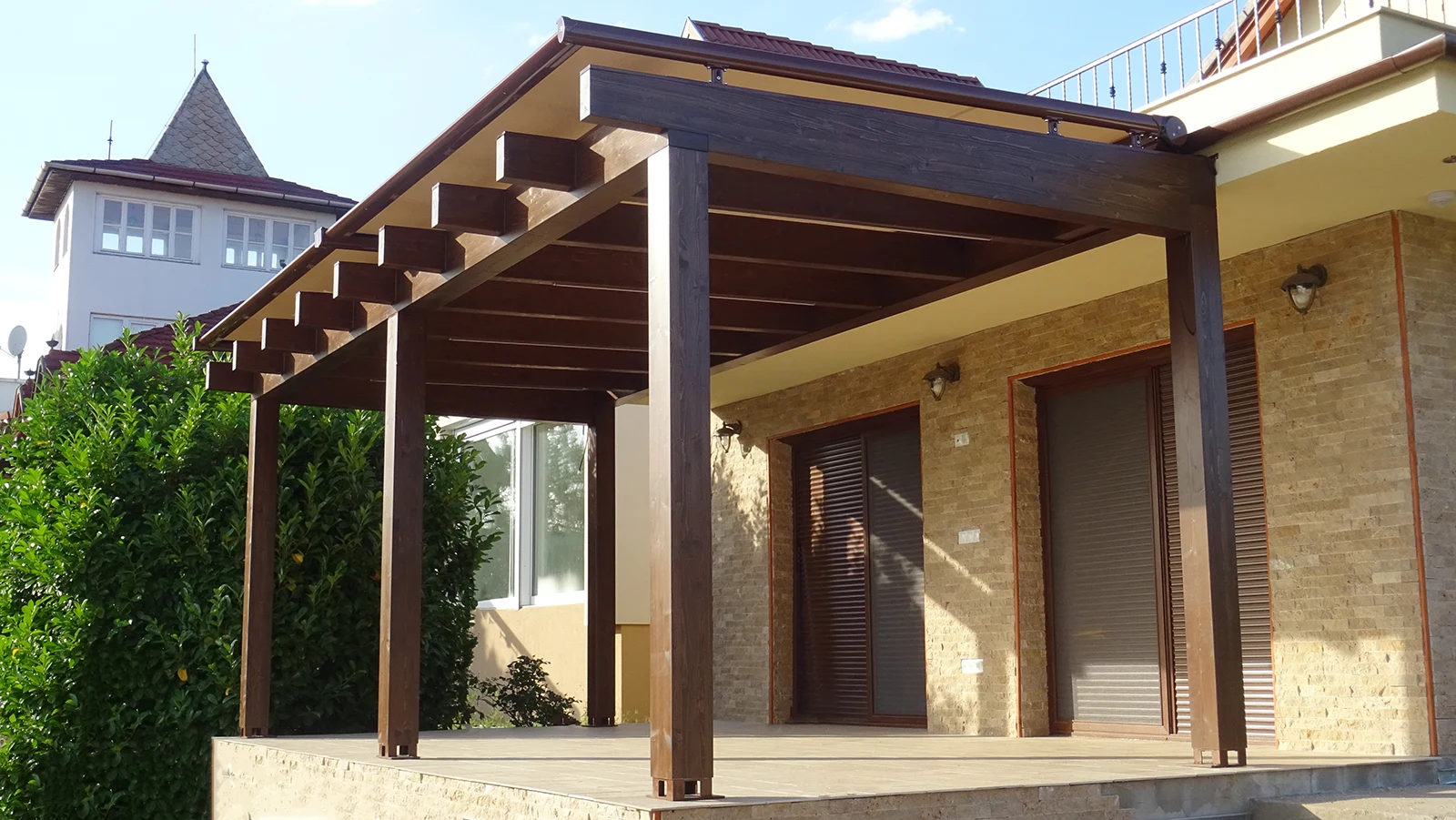
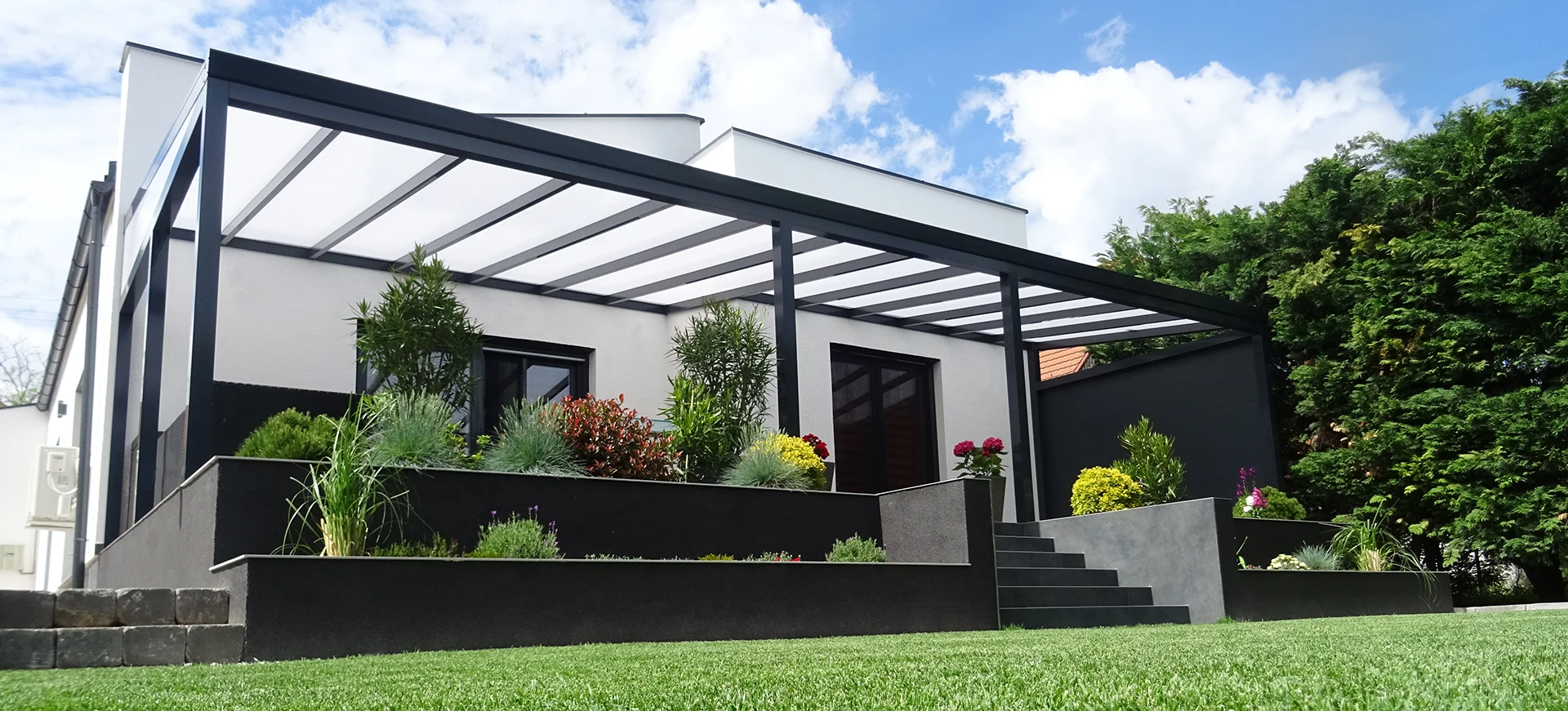
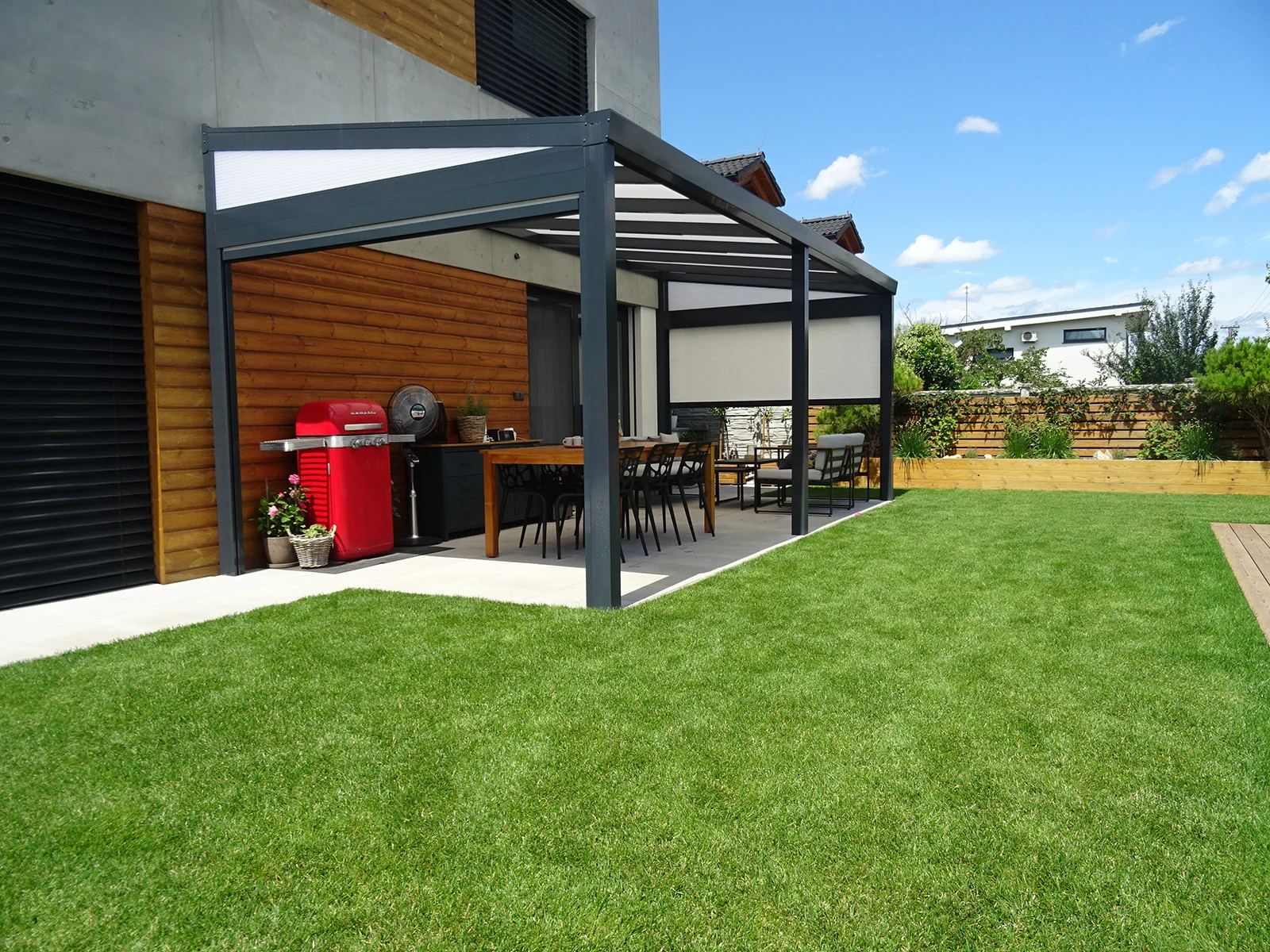
What is a pergola built from?
The structure is another important factor when choosing materials for your pergola. Aluminium is a light, strong material that makes the pergola easier to install and to move if needed. Wooden structures are heavier and take more work to install, but they give a more traditional, rustic look.
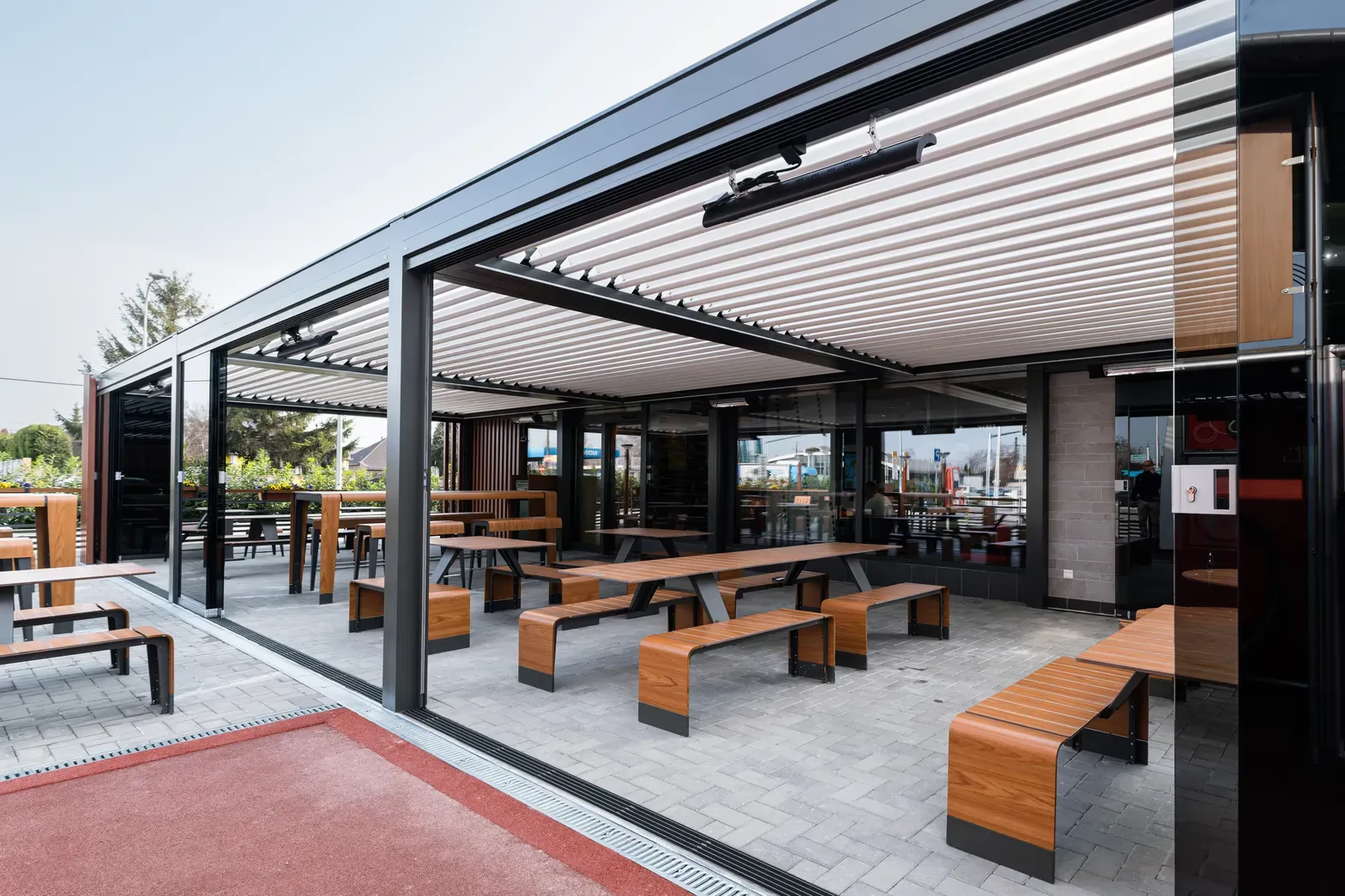
If you’re looking for a roof covering, you have several options. Wooden pergolas can be covered with natural materials such as rattan or bamboo. Aluminium pergolas are usually covered with the same materials as roof coverings, which are weather-resistant and provide effective protection from sun and rain.
When choosing materials for your pergola, bear in mind that every material has its pros and cons. You have to weigh up your requirements and needs and choose the one that best suits your particular situation.
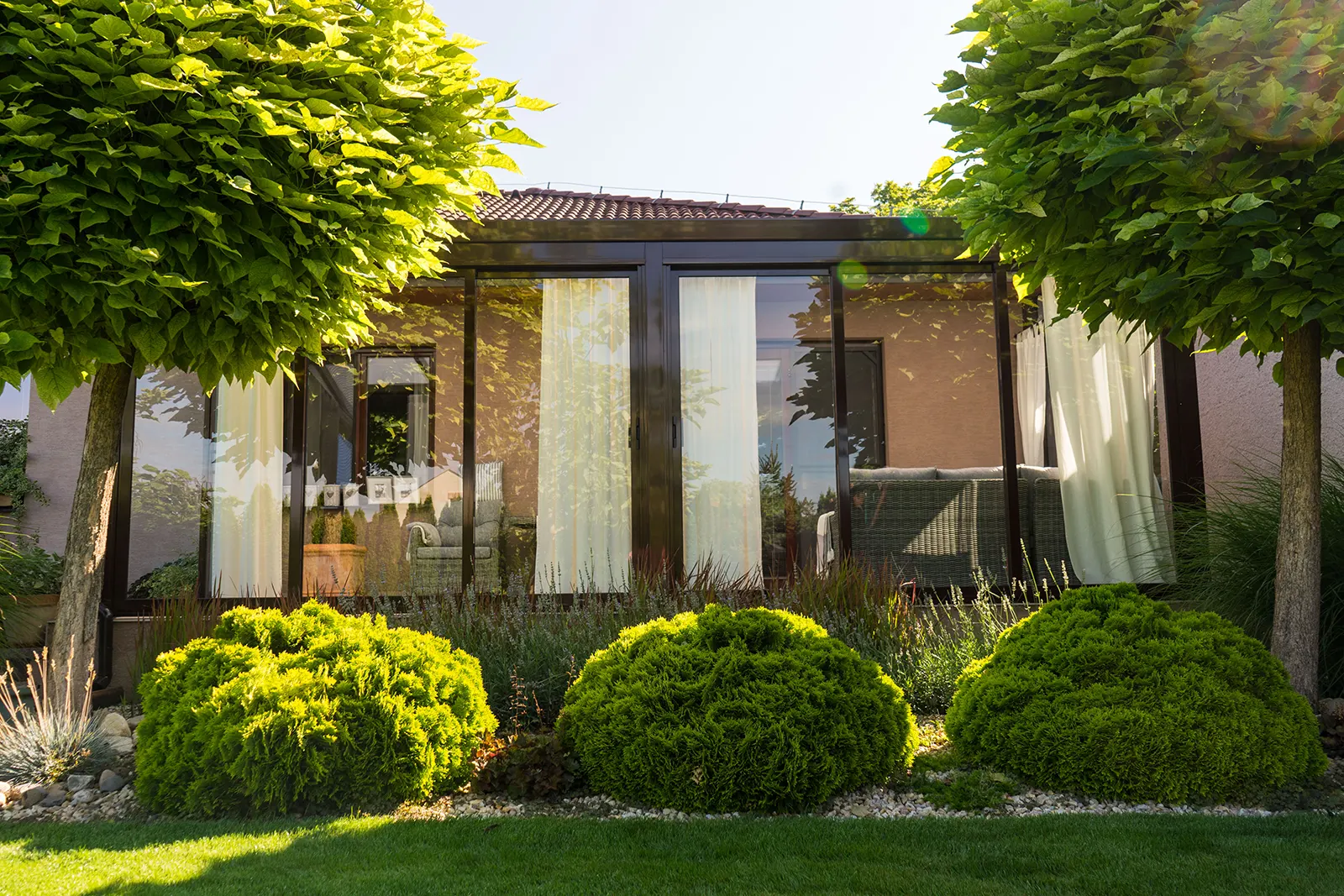
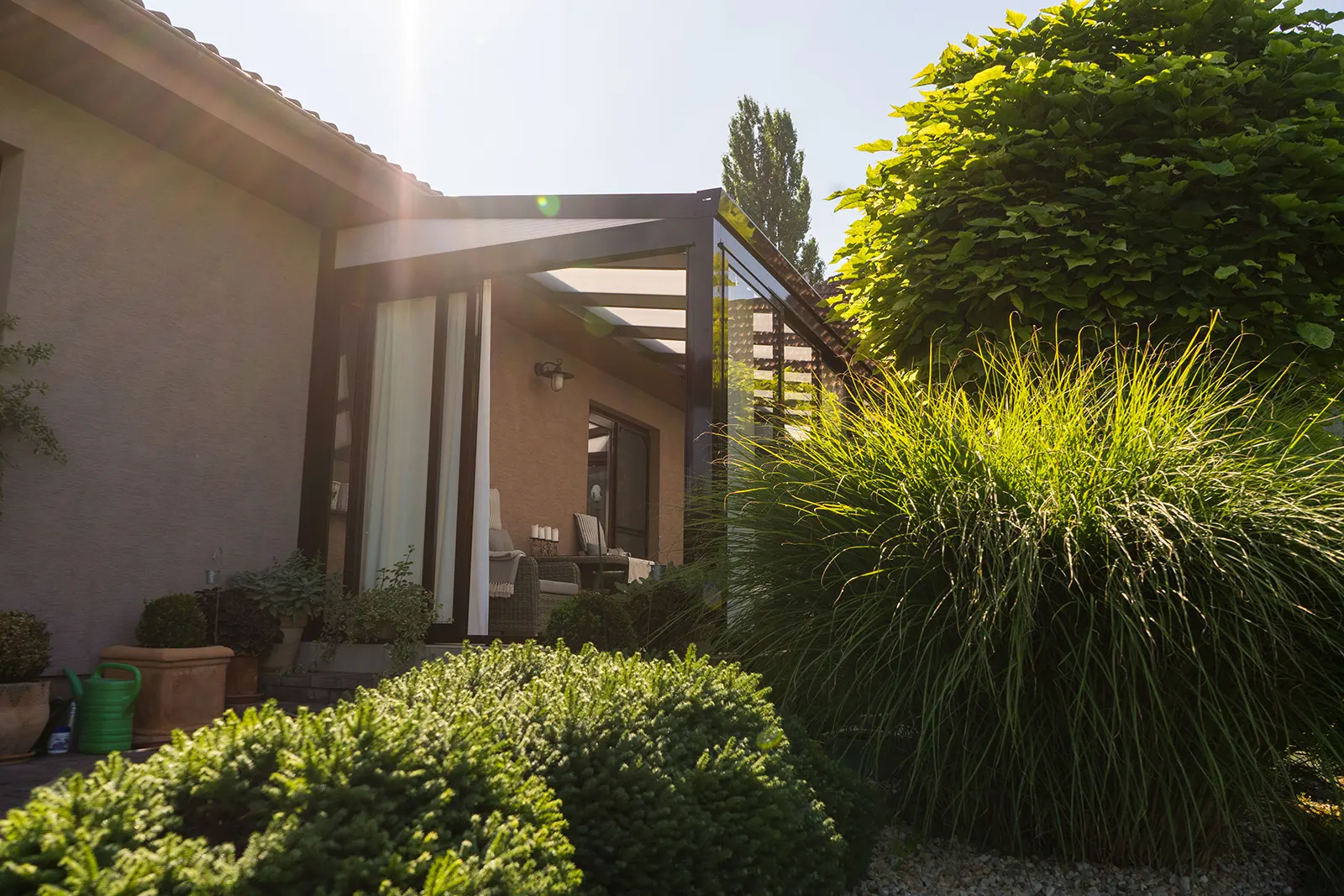
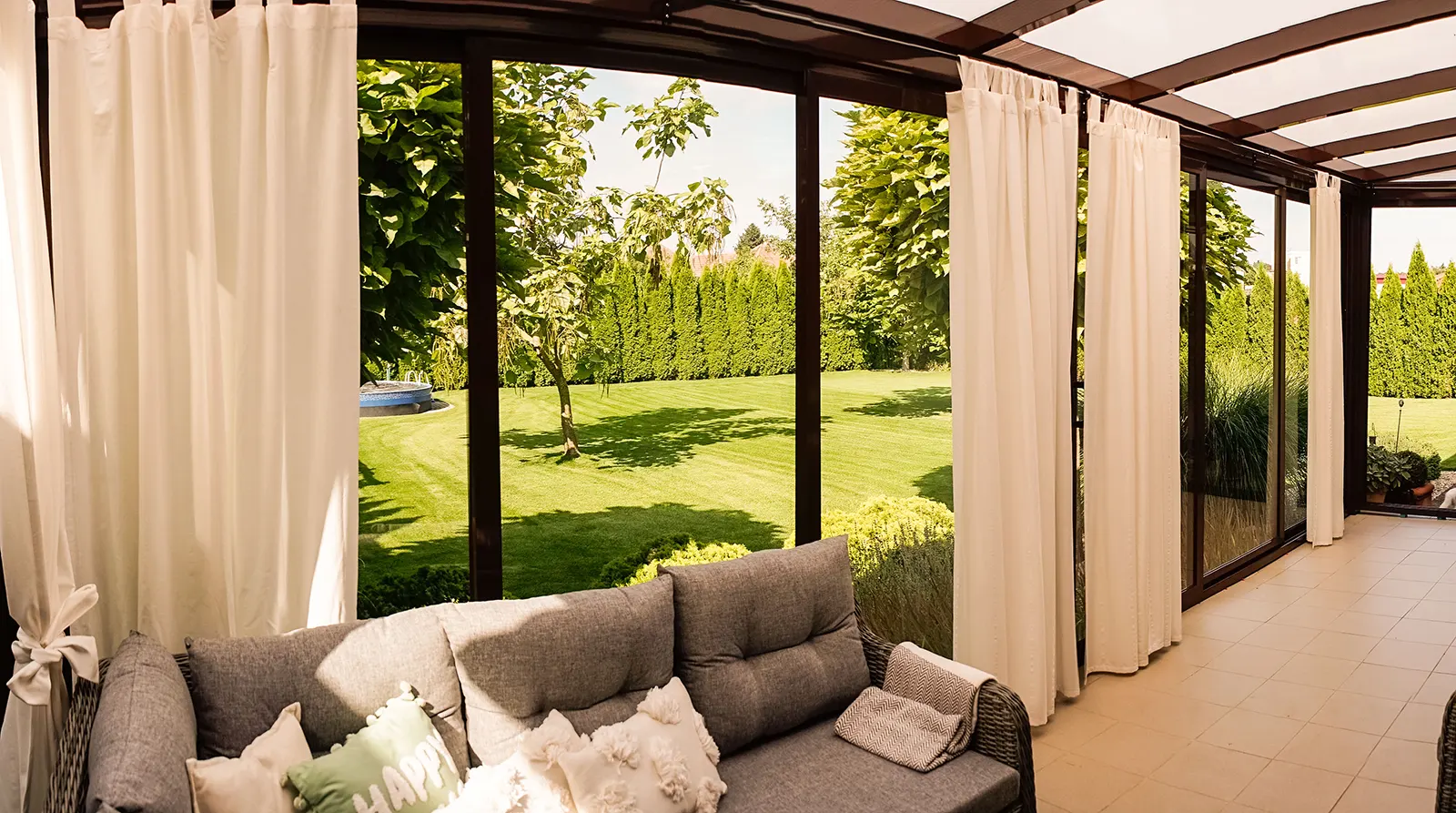
Pergolas are an excellent way to define your outdoor space. They not only act as a decorative feature in your garden but also provide an outdoor area for all kinds of activities. There are several other reasons to own a pergola. They add value to your home, give you extra space and offer protection from heat, rain or snow.
Choosing the right one from the several pergola materials can be quite tricky. A good pergola complements your terrace and leads to a wonderful improvement of your outdoor space. Breathable covers come in several styles and materials, each with its own distinct properties to consider. In the end, though, it all comes down to your personal preferences and what’s the better choice for your garden.
Drawing on our many years of experience in making pergolas, we’ve summarised the properties of the most commonly used materials to help you decide more easily. So let’s take a closer look at these options!
Wooden pergolas
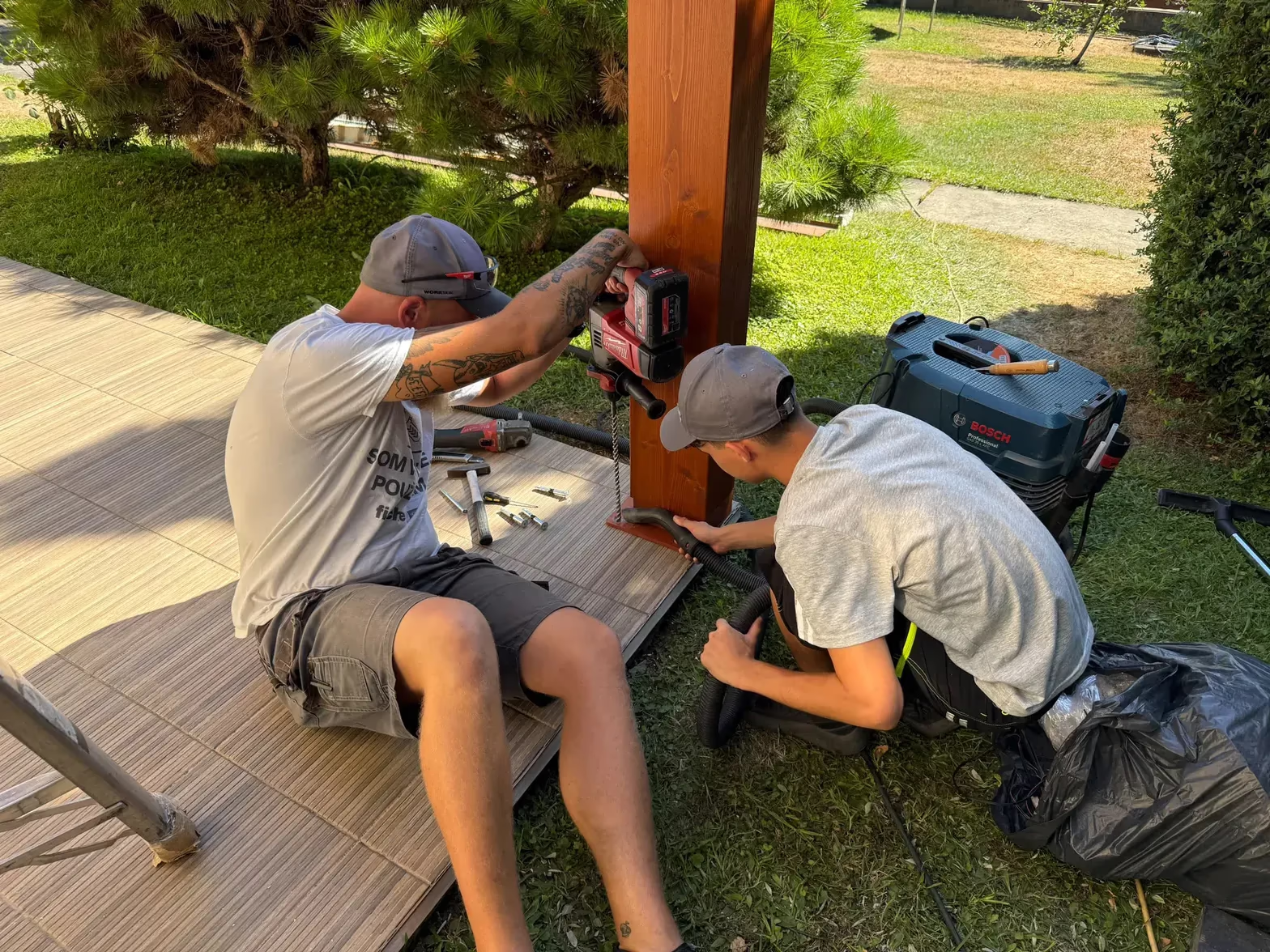
Wooden pergolas give your yard a natural, sophisticated look. They add to the overall value of the property and provide a cooler environment than the other alternatives. Wooden pergolas are more demanding to install, as we make sure every joint fits together precisely despite any unevenness in the floor or the wall of the house.
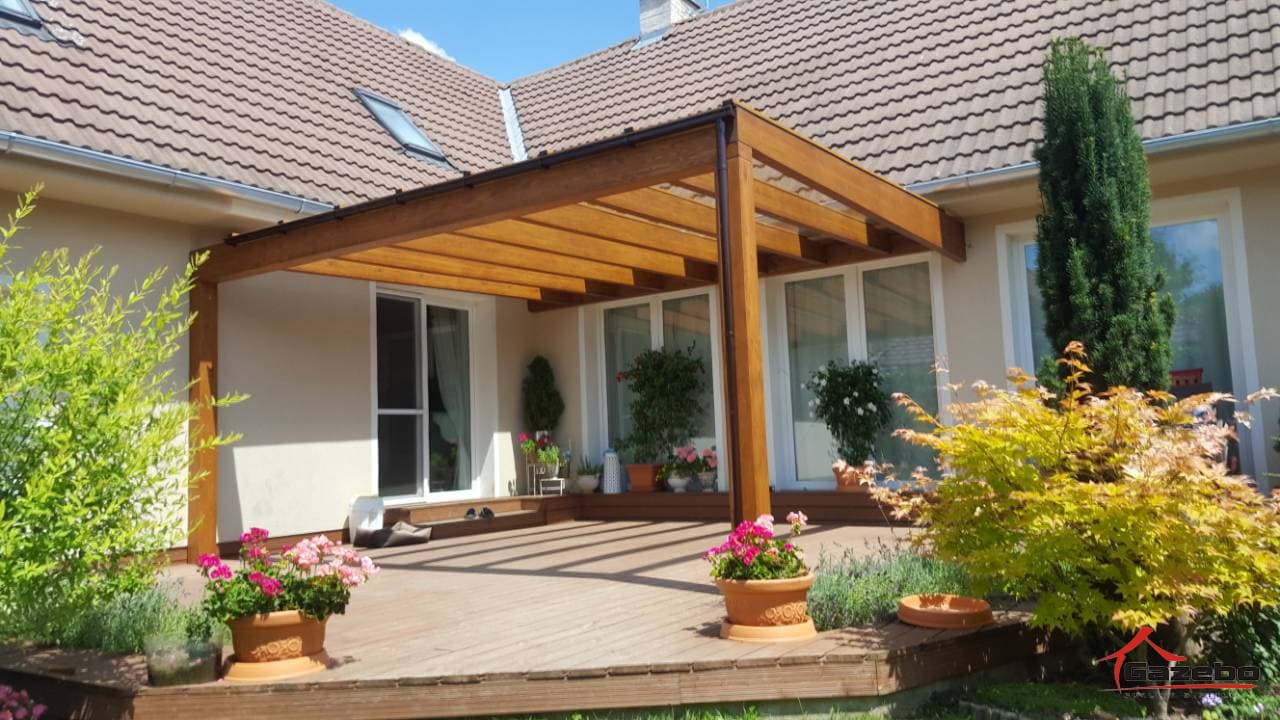
What’s more, timber is also cost-effective, especially the rot-resistant and pressure-treated (vacuum-pressure impregnated) variants, which are more durable and stronger. The natural durability of individual wood species is also classified by the EN 350 standard — oak is the most durable, while larch and pine sit in the middle of the scale.
They’re best suited to environments with high wind pressure, as they tend to stay robust more than aluminium structures do. You can see what such a project looks like in practice with the example of the Milano wooden pergola and its installation.
See our guide to choosing wooden pergolas.
Aluminium pergolas
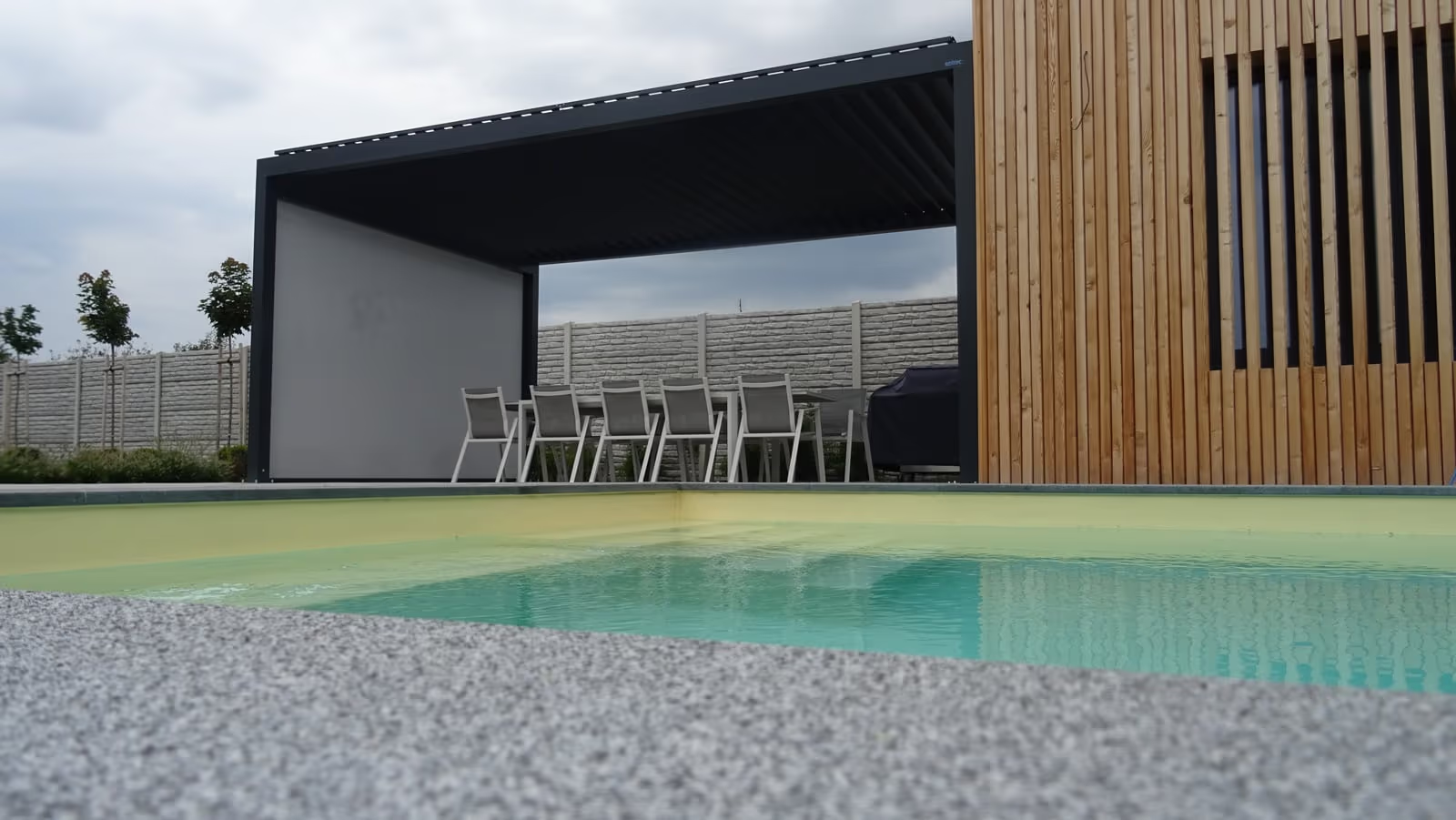
An aluminium pergola is the best option when it comes to choosing the material for an outdoor structure, and for those who have several requirements. The main reason is that it doesn’t rust, so it needs minimal maintenance, which makes it the ideal pergola material for people who prefer something maintenance-free. Aluminium is also an eco-friendly choice — recycling it saves up to 95% of the energy needed to produce new metal.
Aluminium is also extremely resistant to the elements, so if you live in a coastal area or on a windy hillside, it’s probably the best material choice for your pergola. Another key point that makes aluminium an appealing choice for pergolas is that you can finish it in any RAL colour. This is especially handy when installing an attached pergola, as it blends seamlessly with the structure of your house.
In conclusion, all these pergola materials offer different advantages, and choosing which type of material is best for your pergola depends entirely on your personal preferences, as we’ve already mentioned. The factors we discussed above can help you make a better decision.
Gazebo Altánky has an exclusive collection of quality pergolas and gazebos at a very reasonable price. You can take a look at our before and after section, which will give you a better idea of the different pergolas and how they can bring your garden to life.
Frequently asked questions
What are the advantages of wood as a pergola material?
Wood is the traditional material used to build pergolas. Its natural beauty and charm give a garden a unique atmosphere. Wood also allows the pergola to be easily adapted and personalised to your requirements. What’s more, wood is durable overall and can have a long service life if you look after its protection and maintenance.
What are the advantages of aluminium as a pergola material?
Aluminium is a modern material that’s becoming ever more popular for building pergolas. Its advantages include light weight and high resistance to the weather. Aluminium also lets you create a pergola in a variety of modern designs that can be ideal for your home or garden.
Do I need a professional to install a pergola?
While installing a pergola can of course be done with your own hands, a professional with the expertise and experience in building pergolas can make sure your pergola has a firm, stable structure that will withstand the weather for a long time. In addition, a professional can be a useful source of ideas and suggestions for how best to use the space in your garden with a pergola.
How much do your garden gazebos cost?
Gazebo prices are among the higher ones. It always depends on the gazebo’s optional extras. Each one is a work of art with exceptional design and quality craftsmanship.
František Kečkéš
Founder of the family firm Gazebo. He has designed custom pergolas, gazebos and winter gardens since 2009 — from the first sketch through production to installation.
Free consultation →