Installing an Aluminium Bioclimatic Pergola
See how we install an aluminium bioclimatic pergola step by step — from the perimeter frame and hidden wiring to tilting louvres. Request a free quote.
 František Kečkéš · Updated · 3 min read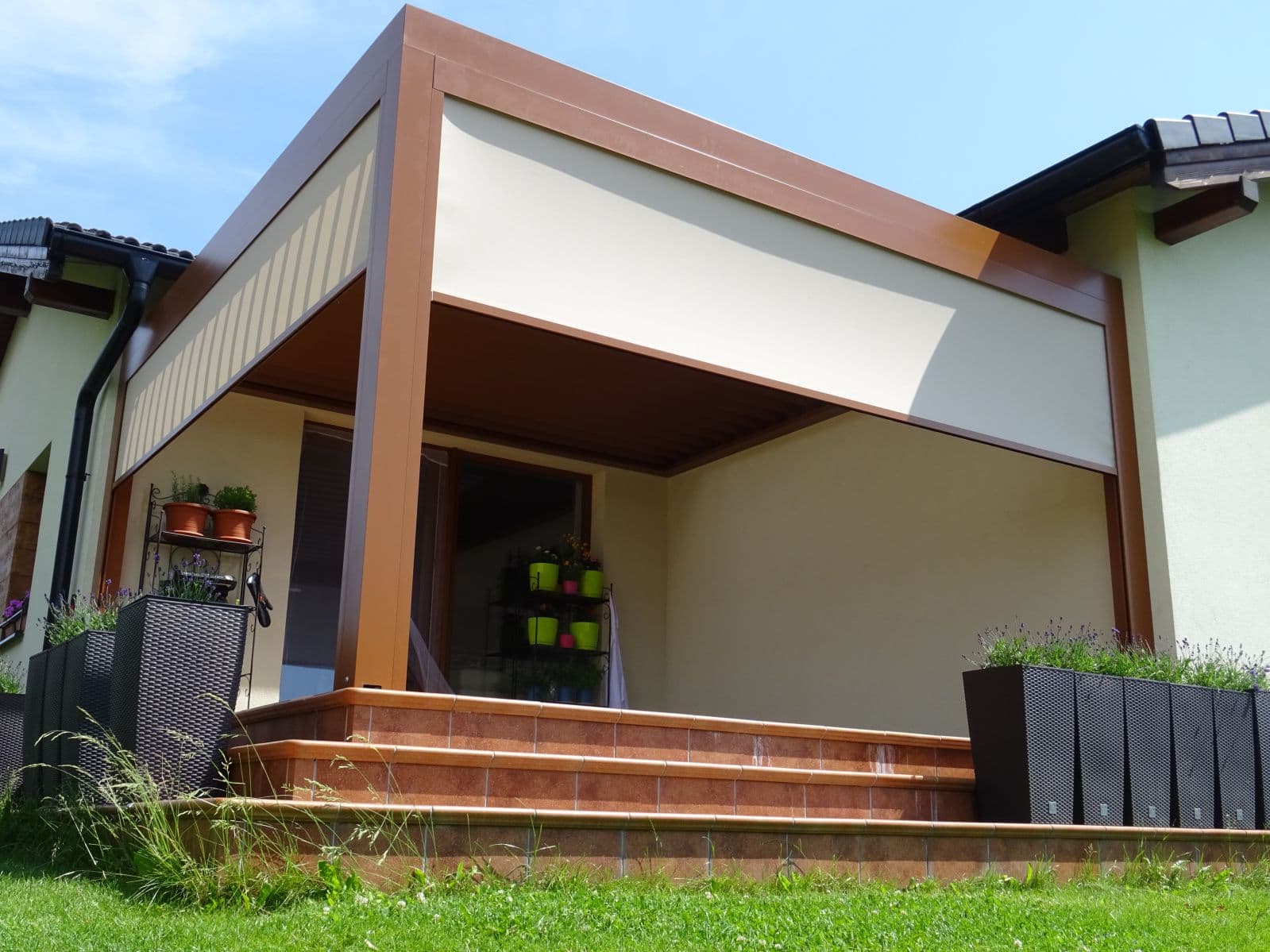
In short: An aluminium bioclimatic pergola is installed on site. The perimeter aluminium frame — with the wiring hidden inside it — is assembled, lifted onto the posts, and fitted with tilting louvres that have EPDM seals and integrated water drainage. Finally, the front or side shading, which is built into the structure back at the factory, is fine-tuned.
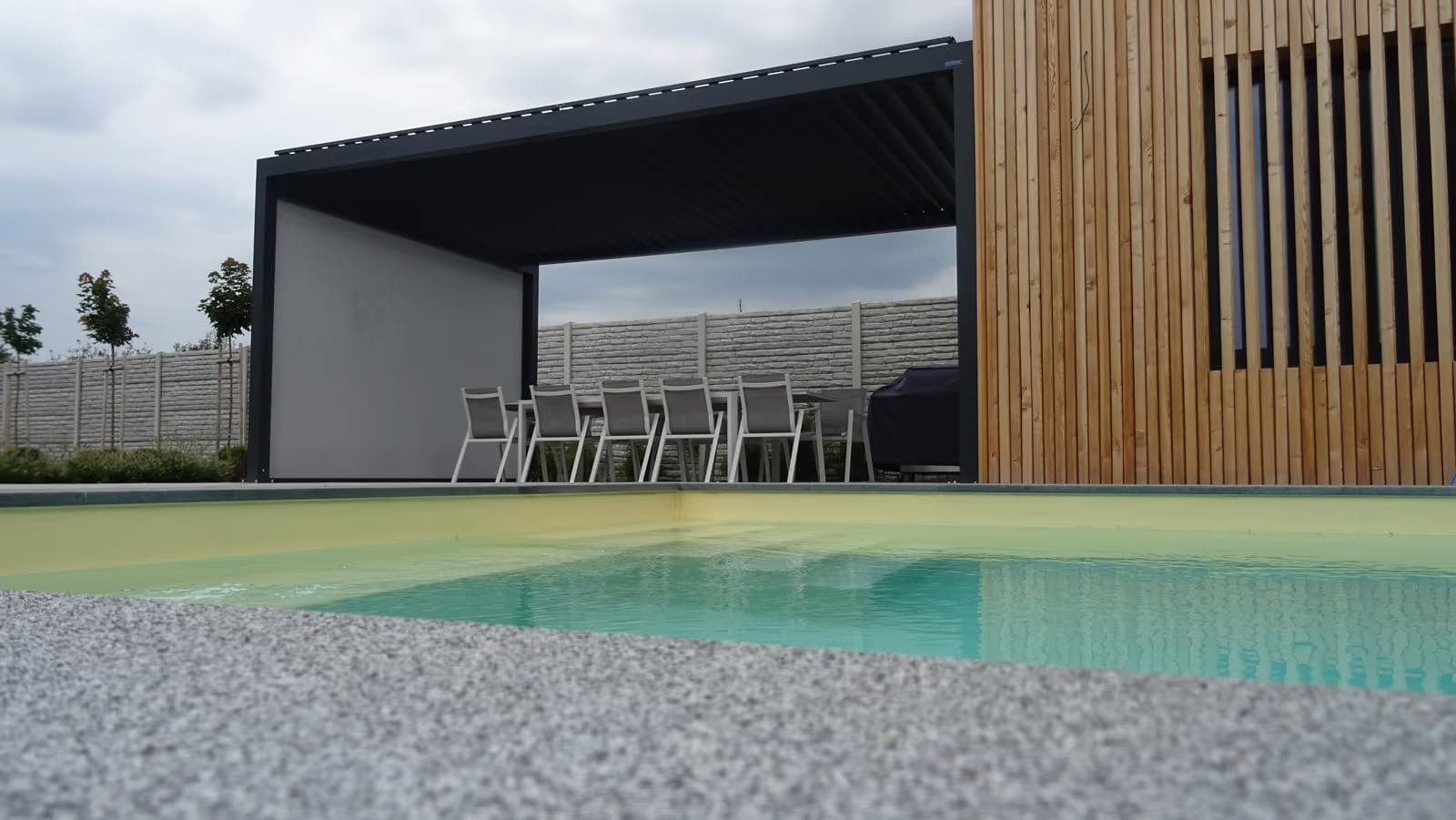
A bioclimatic pergola is a modern pergola with tilting aluminium louvres that regulate sunlight and airflow and, when closed, protect against rain and snow — we’ve explained more about what a bioclimatic pergola is in a separate article.
How is an aluminium bioclimatic pergola installed? On site, in a fixed sequence: we assemble the perimeter frame with the wiring hidden inside it, lift it onto the posts, insert the tilting louvres with their EPDM seals, and fine-tune the integrated shading. The steps below follow that order.
In the sections below, we’ll look at the benefits of an aluminium bioclimatic pergola and some of the factors to consider during installation. If you’re weighing up the investment, see our 5 reasons to choose a bioclimatic pergola.
- Frame — the perimeter aluminium structure is assembled on site, wiring concealed inside.
- Posts — the frame is lifted to height; the post count follows the size and anchoring.
- Louvres — three sizes, each with an EPDM exterior seal for heavier rain.
- Drainage — closed louvres channel rainwater into a hidden gutter and out through a post.
- Shading — front or side screens run in guide rails, integrated at the factory.
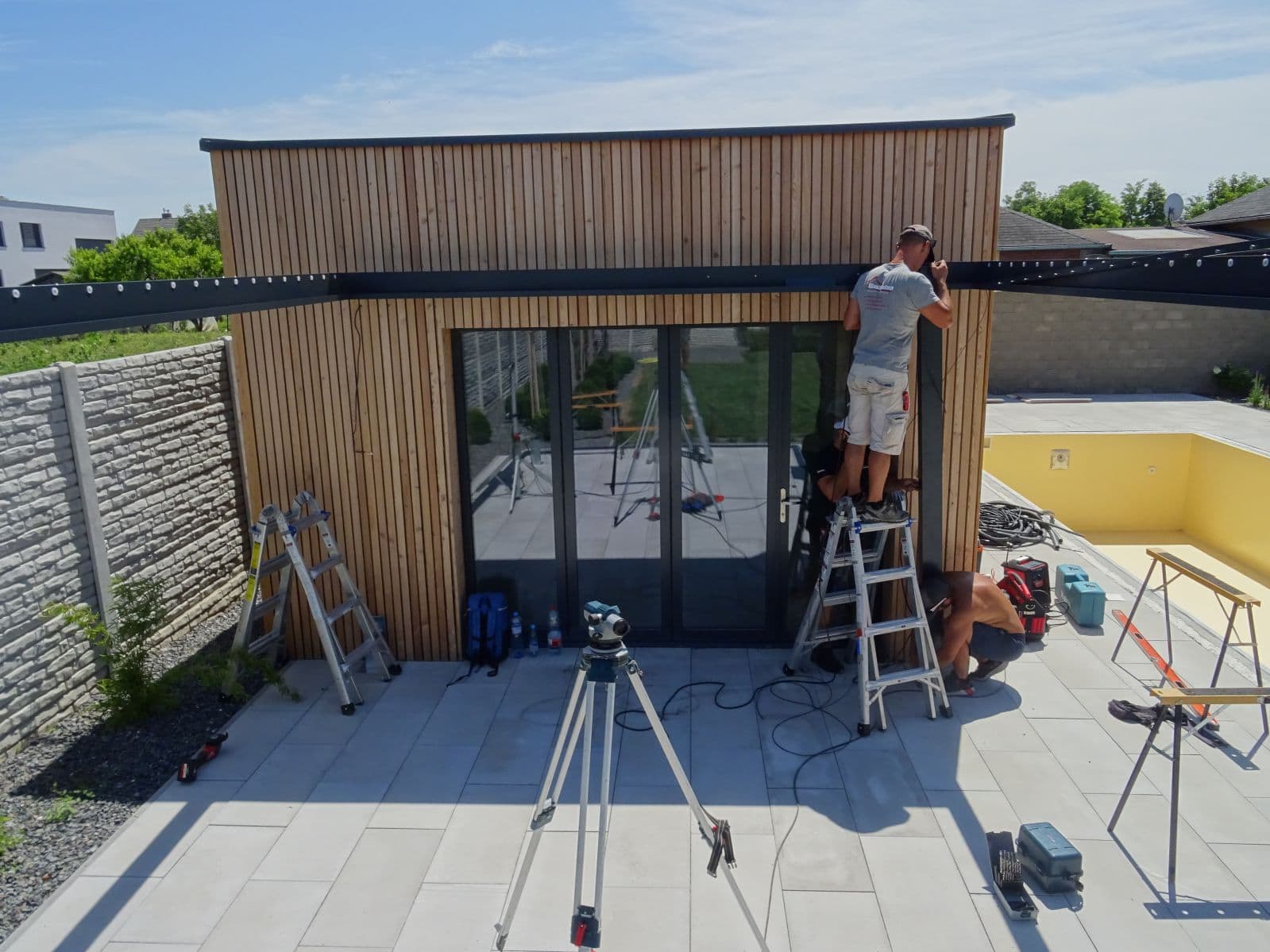
The main perimeter aluminium structure of the bioclimatic pergola is assembled on site. Wiring is concealed inside the aluminium frame in case the pergola includes optional extras such as front or side shading screens or LED lighting.
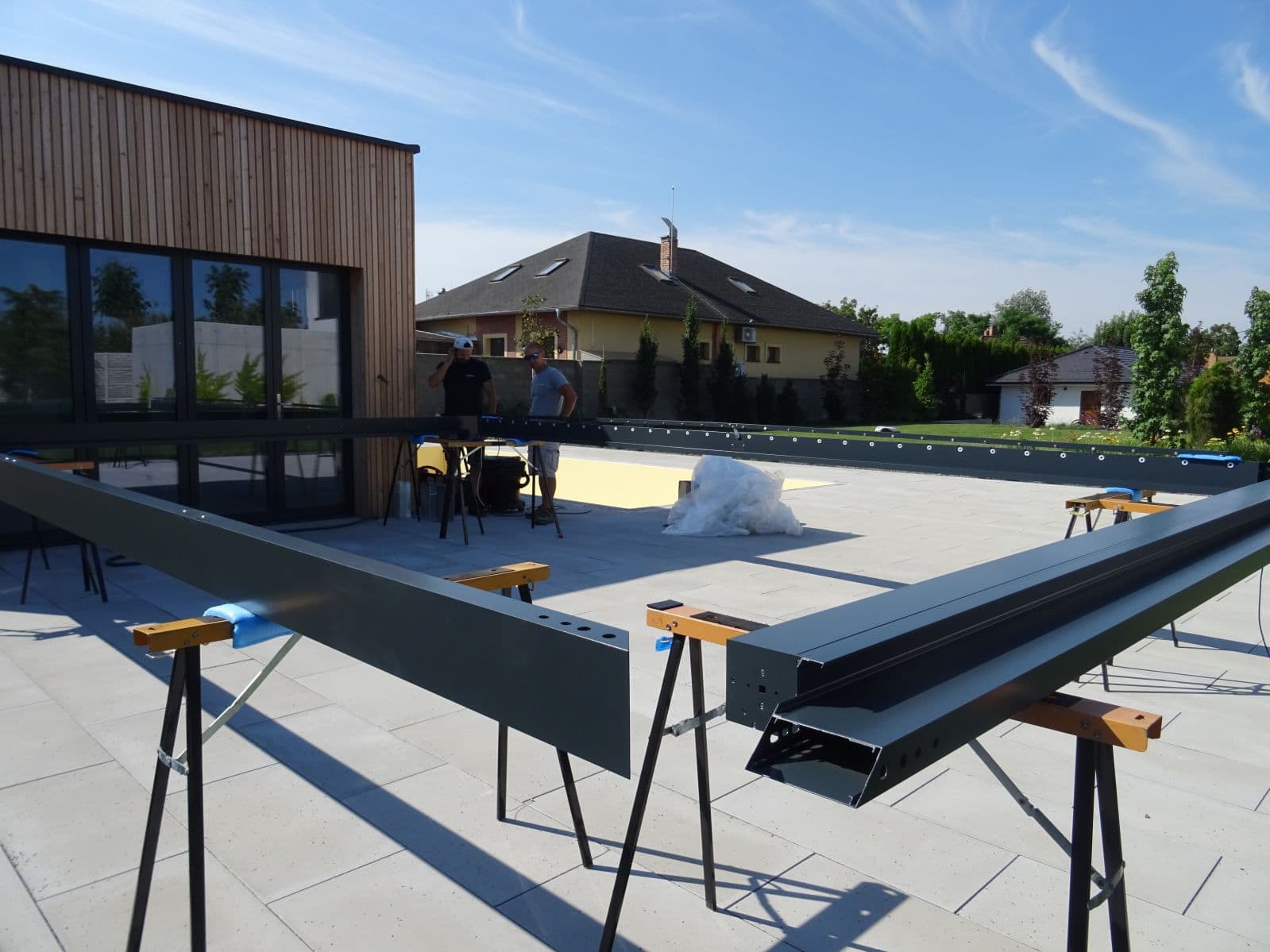
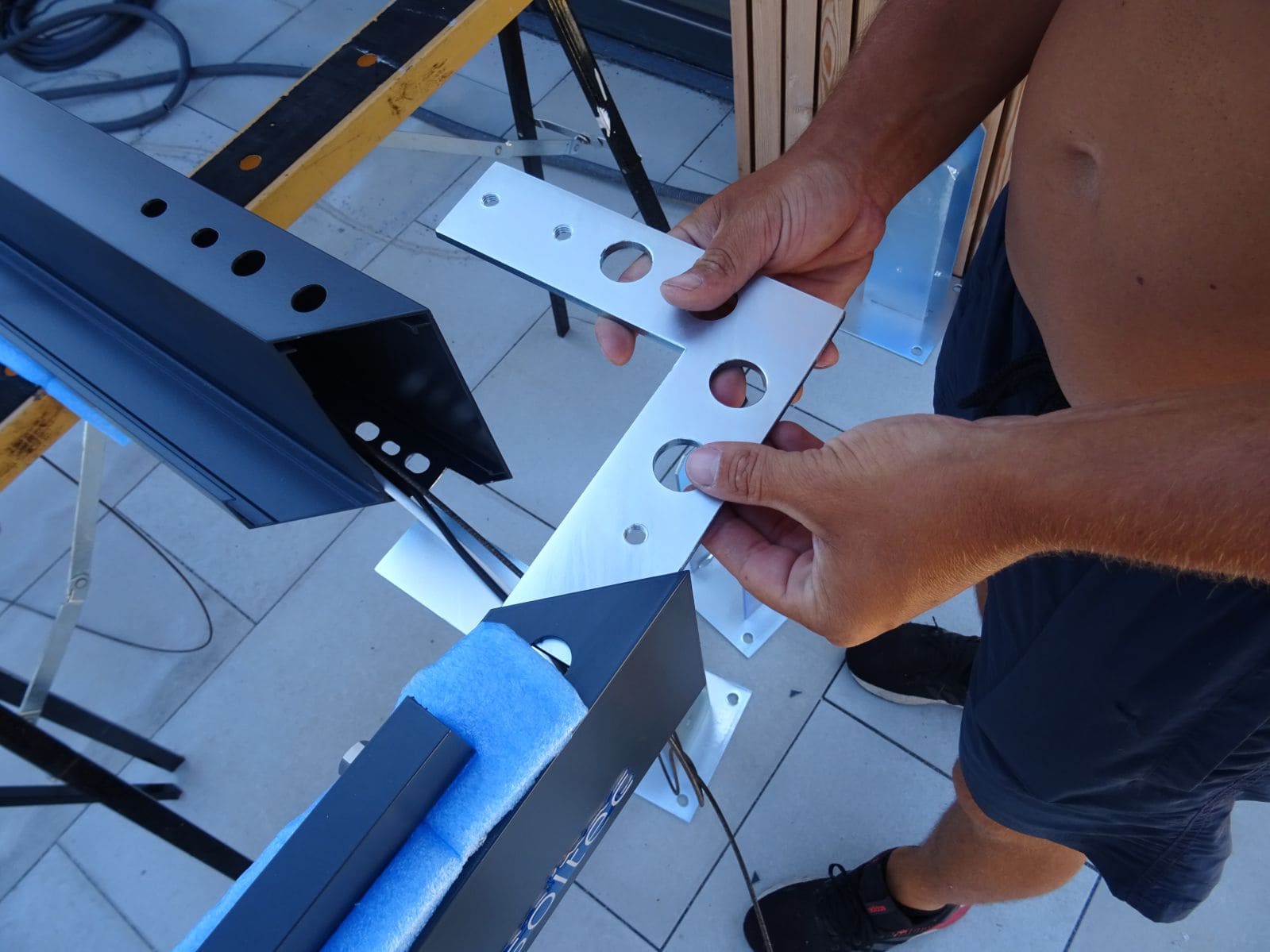
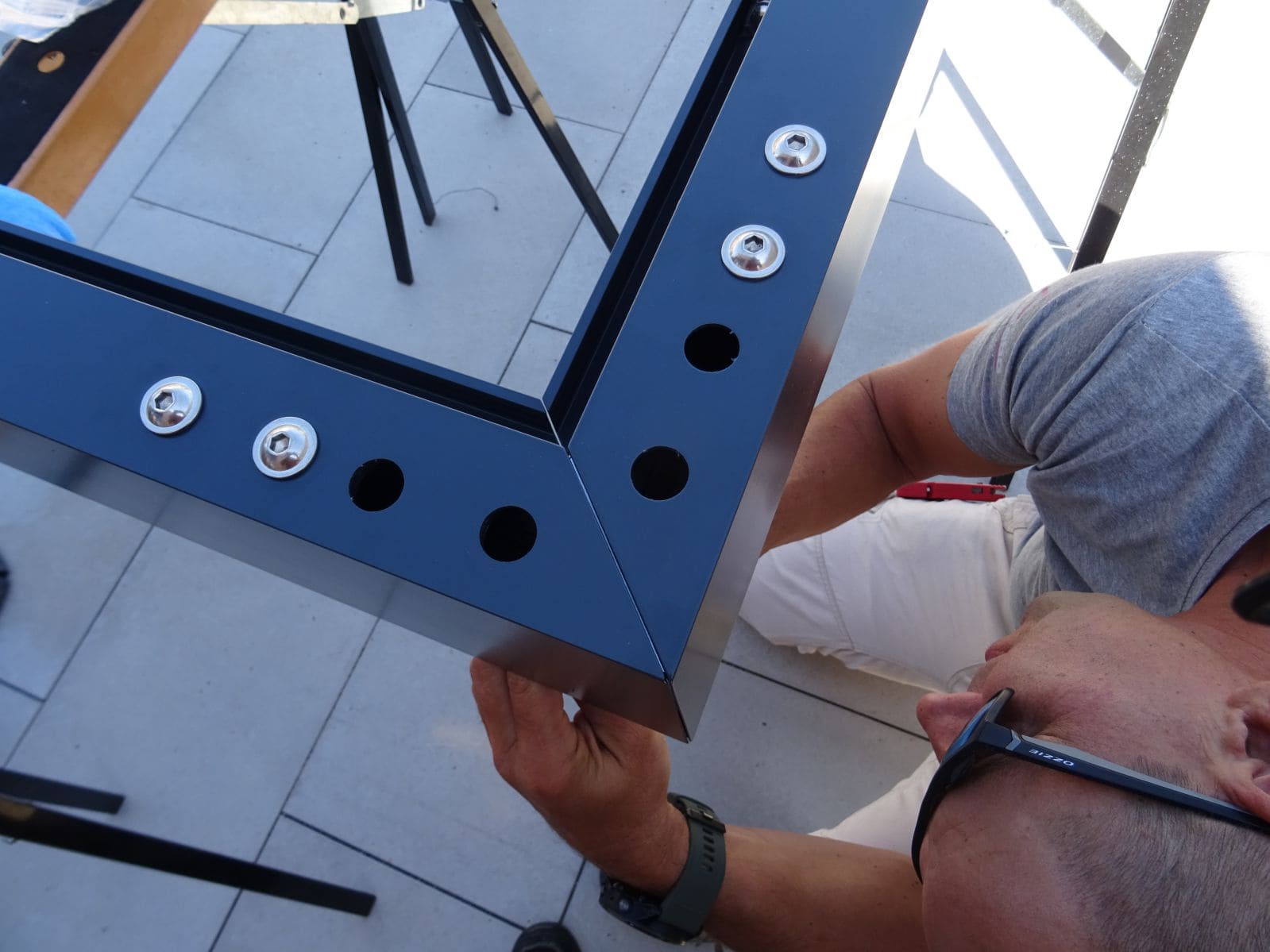
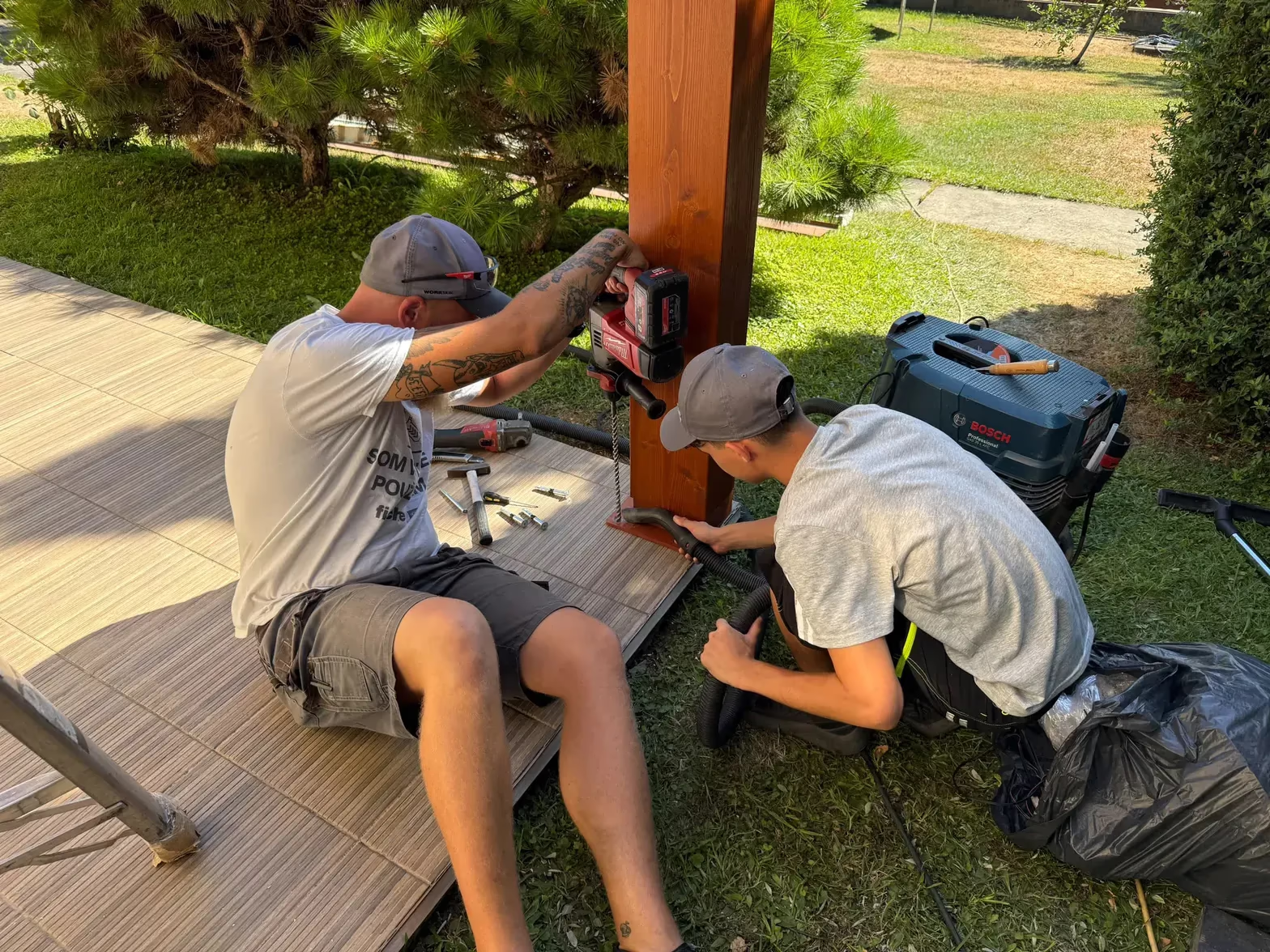
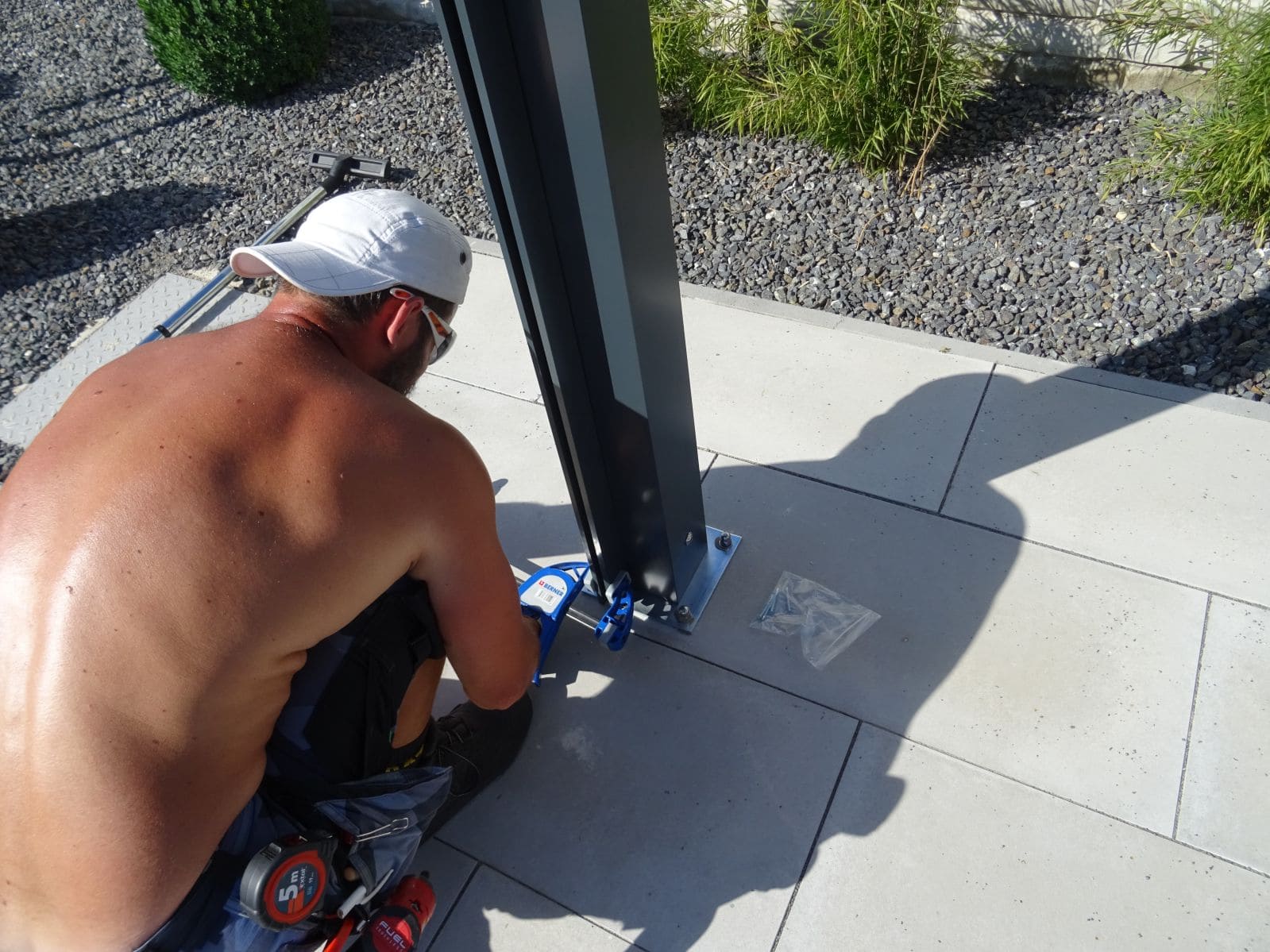
The assembled perimeter frame of the aluminium bioclimatic pergola is lifted to the required height and the posts are fitted. The number of posts depends on the size of the aluminium bioclimatic pergola and on whether the pergola is to be free-standing or partly anchored to the house.
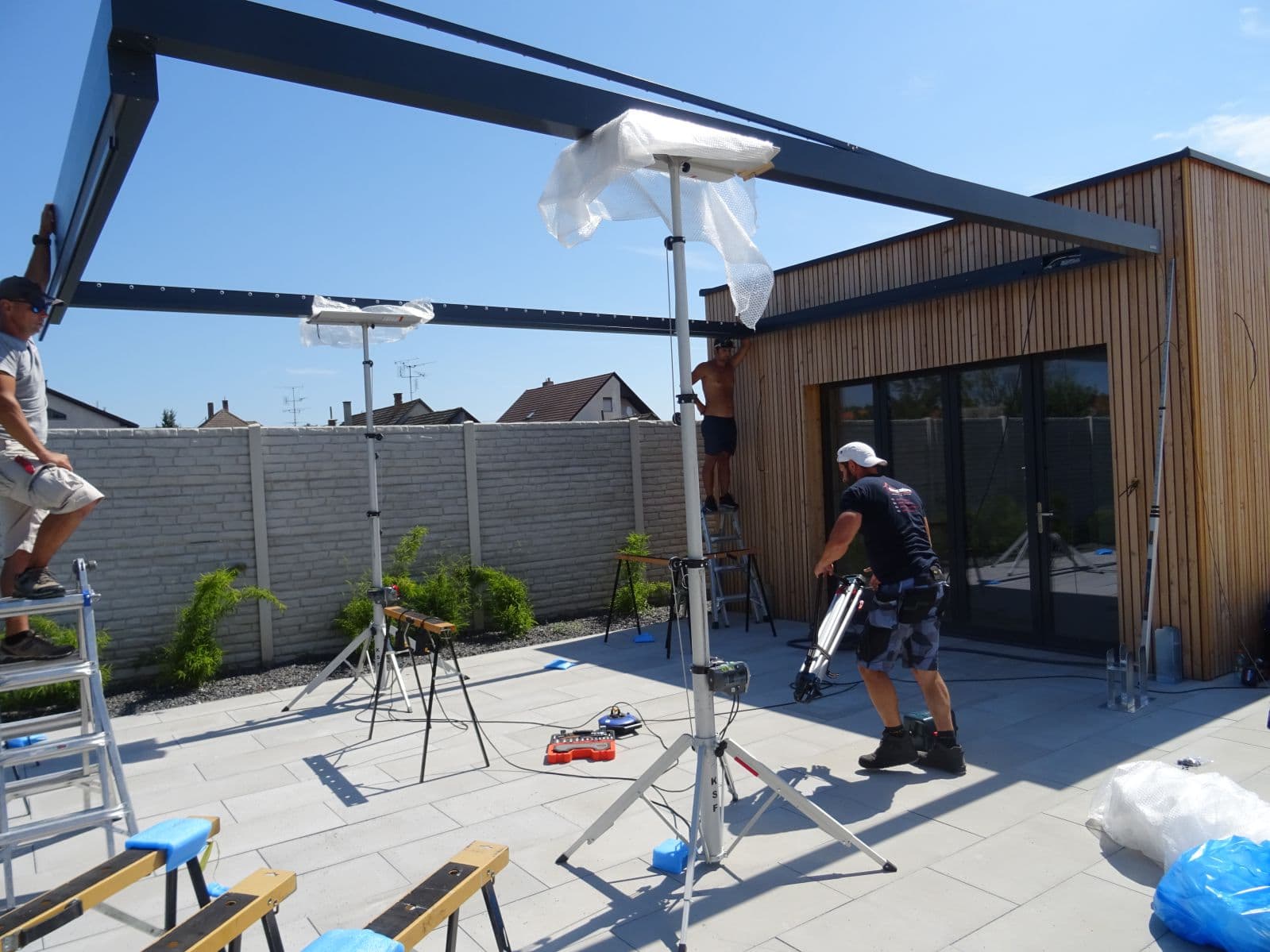
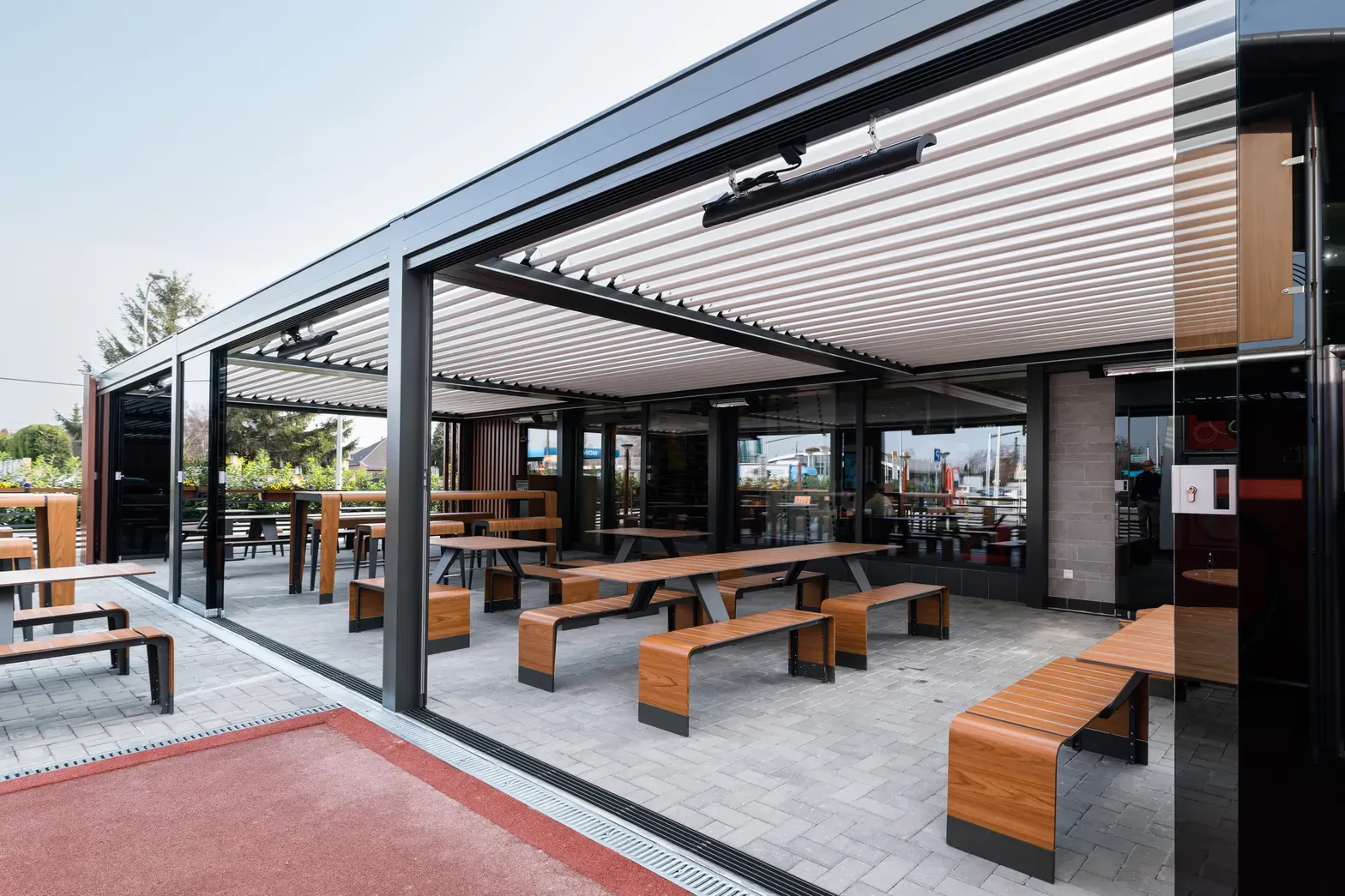
Aluminium louvres are then inserted into the assembled structure. On a bioclimatic pergola, the louvres are produced in three sizes, depending on the pergola’s width and depth. Each louvre has an EPDM exterior seal fitted along its front edge to seal the louvres more effectively in heavier rain.
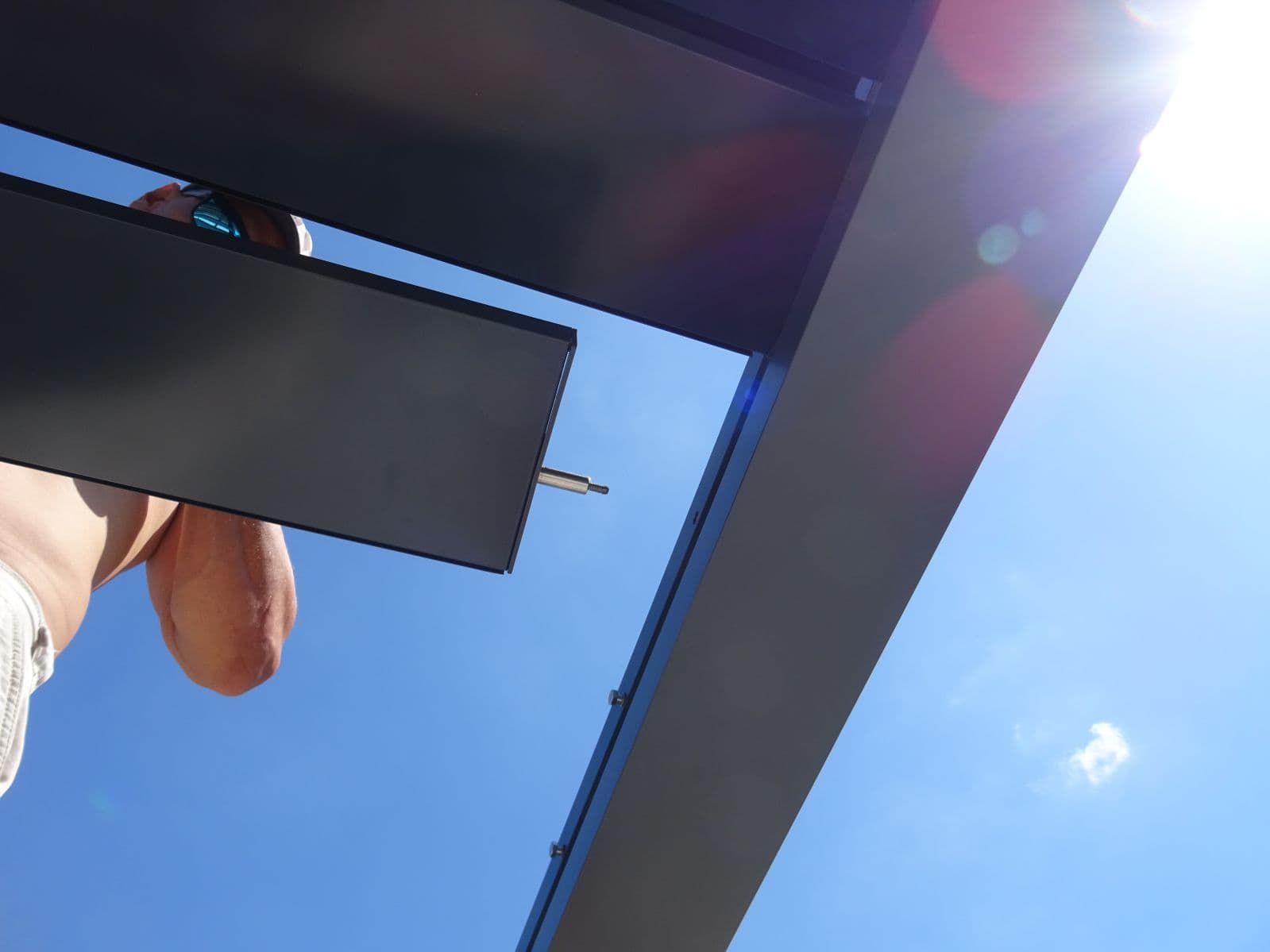
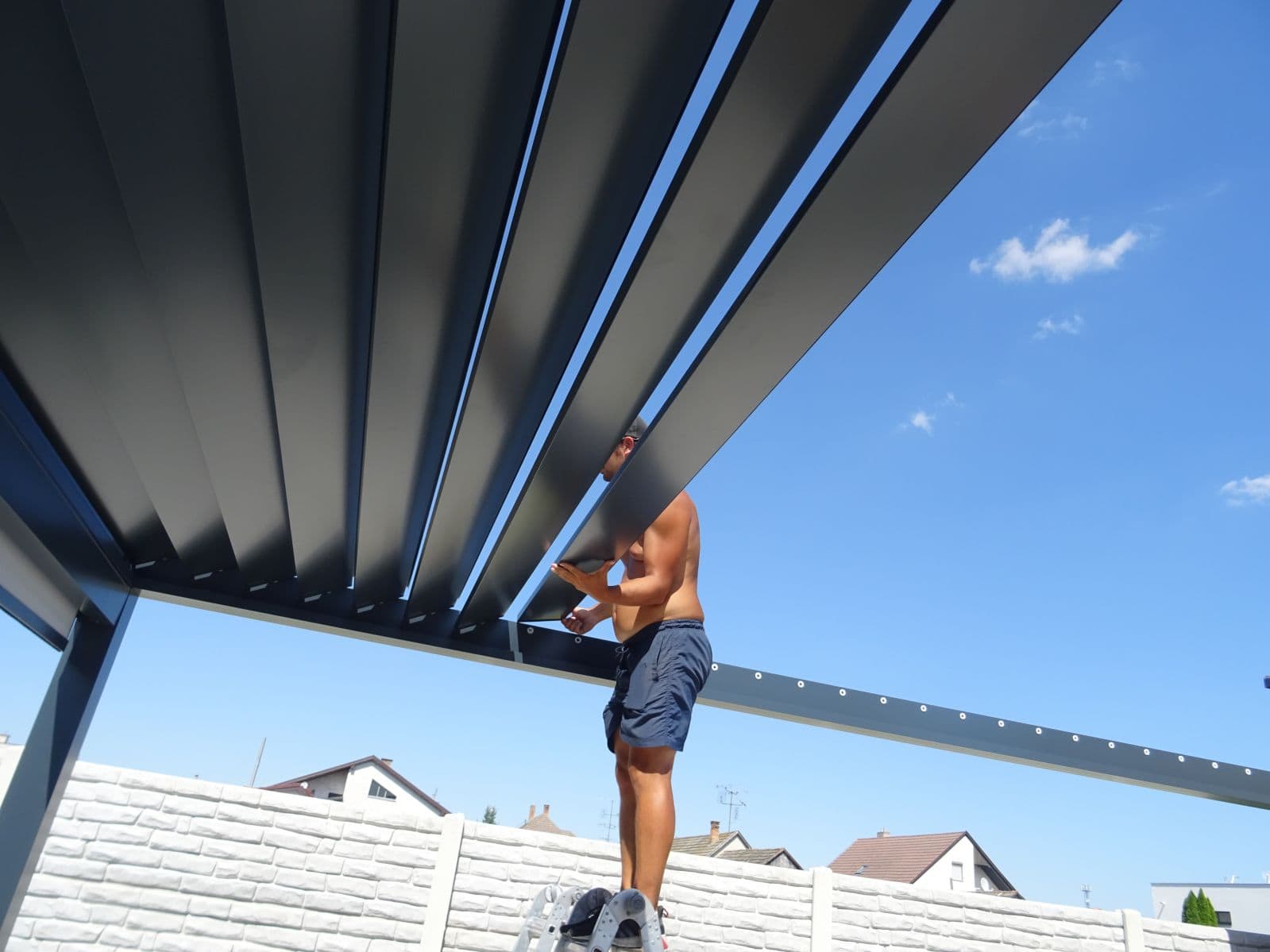
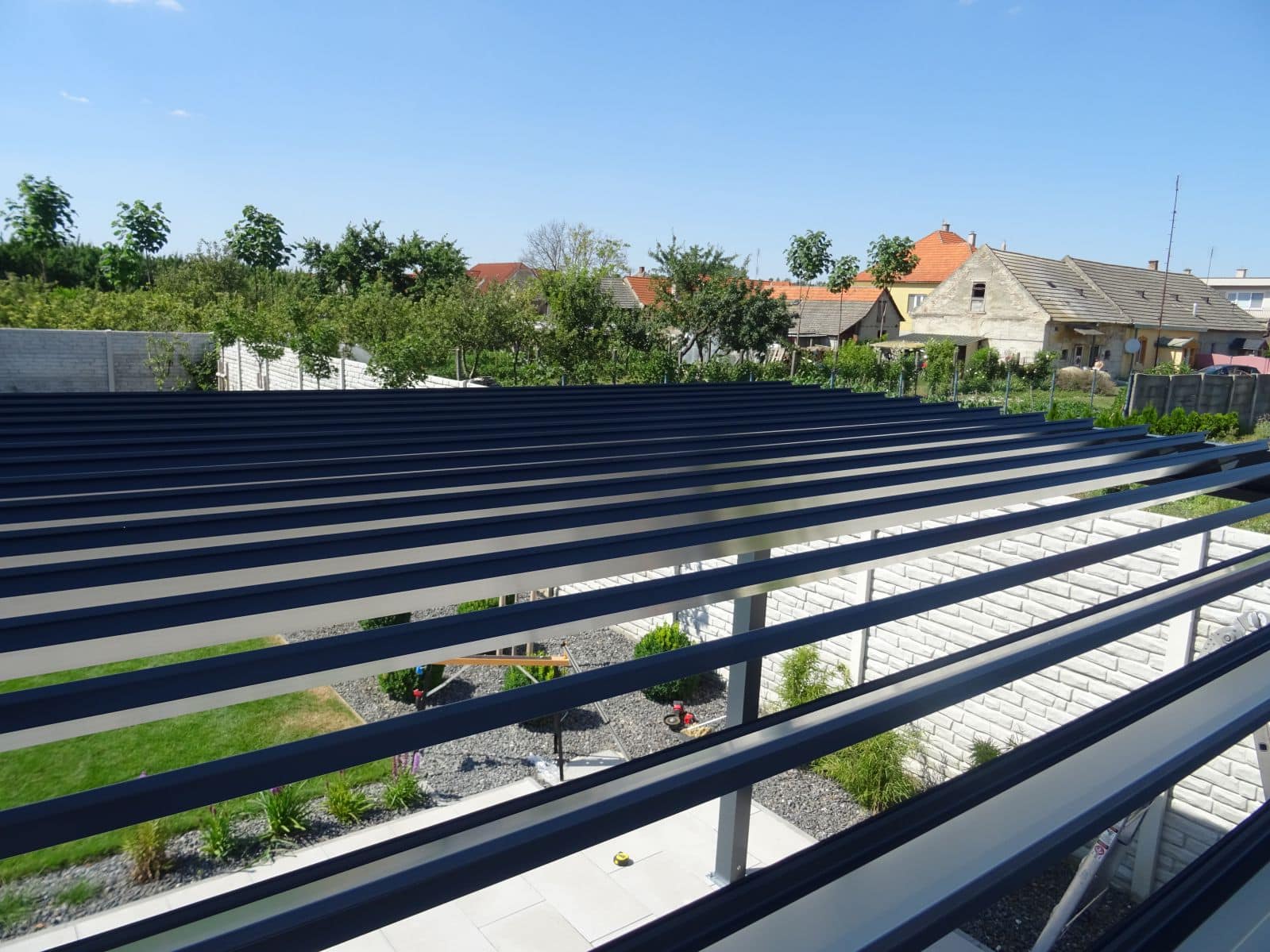
When closed, the louvres of the aluminium bioclimatic pergola interlock so that, in the rain, they channel rainwater into a hidden gutter integrated along the inner perimeter of the structure. The rainwater is then carried down and out through a post. The customer chooses the direction in which the aluminium louvres tilt when ordering the aluminium pergola. The number of LED strips recessed into the louvres of the aluminium pergola can also be selected when placing the order.
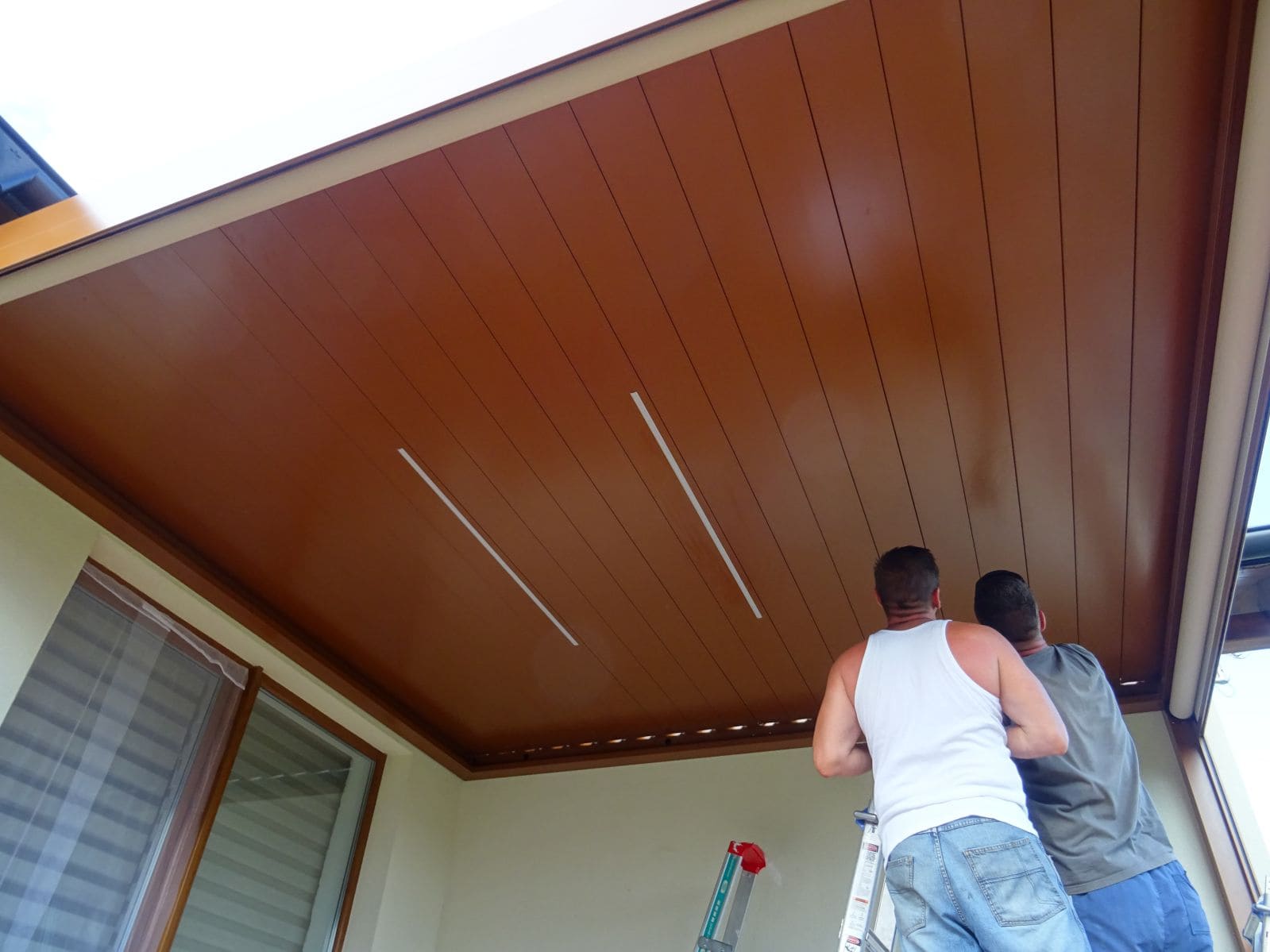
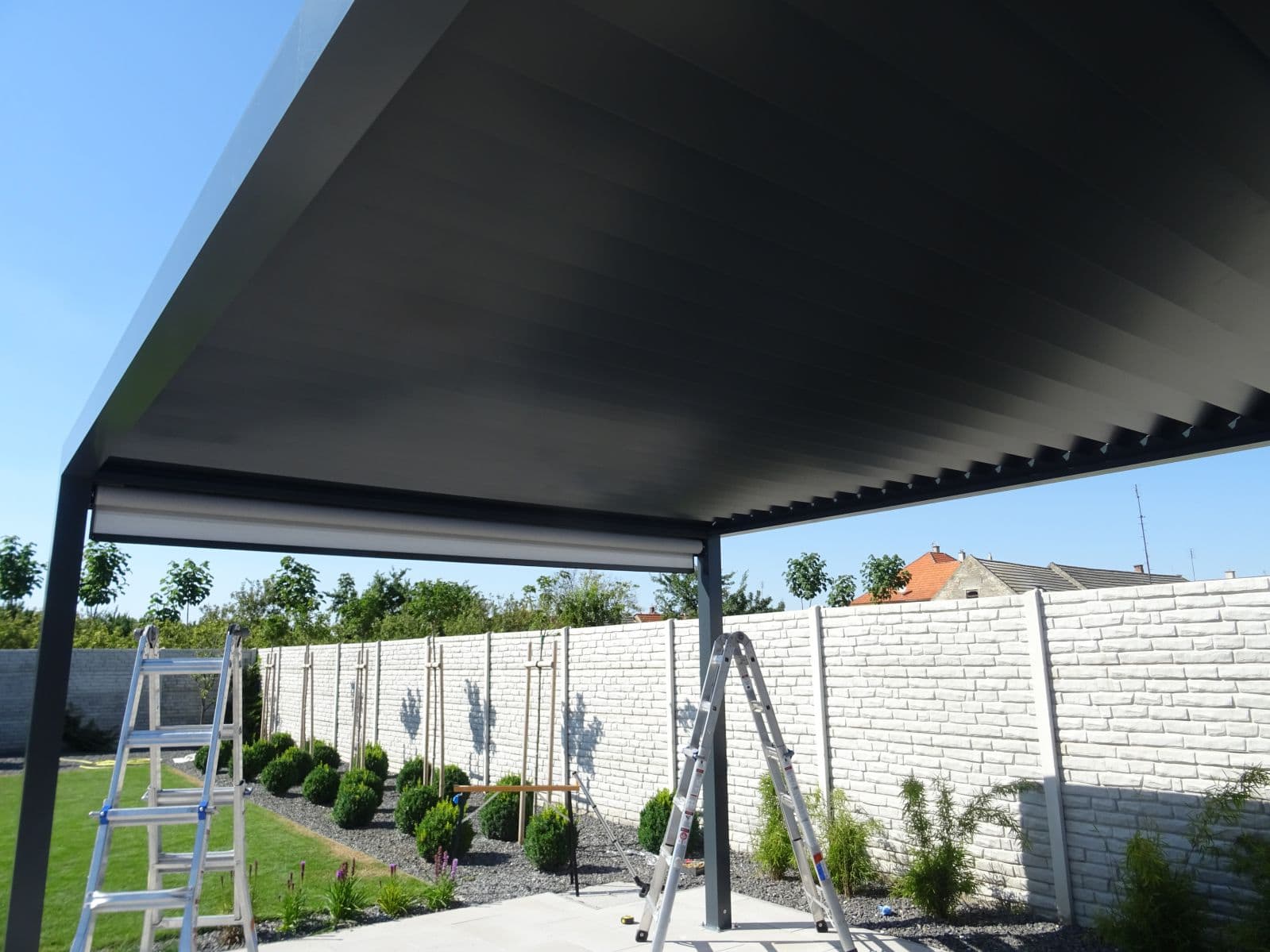
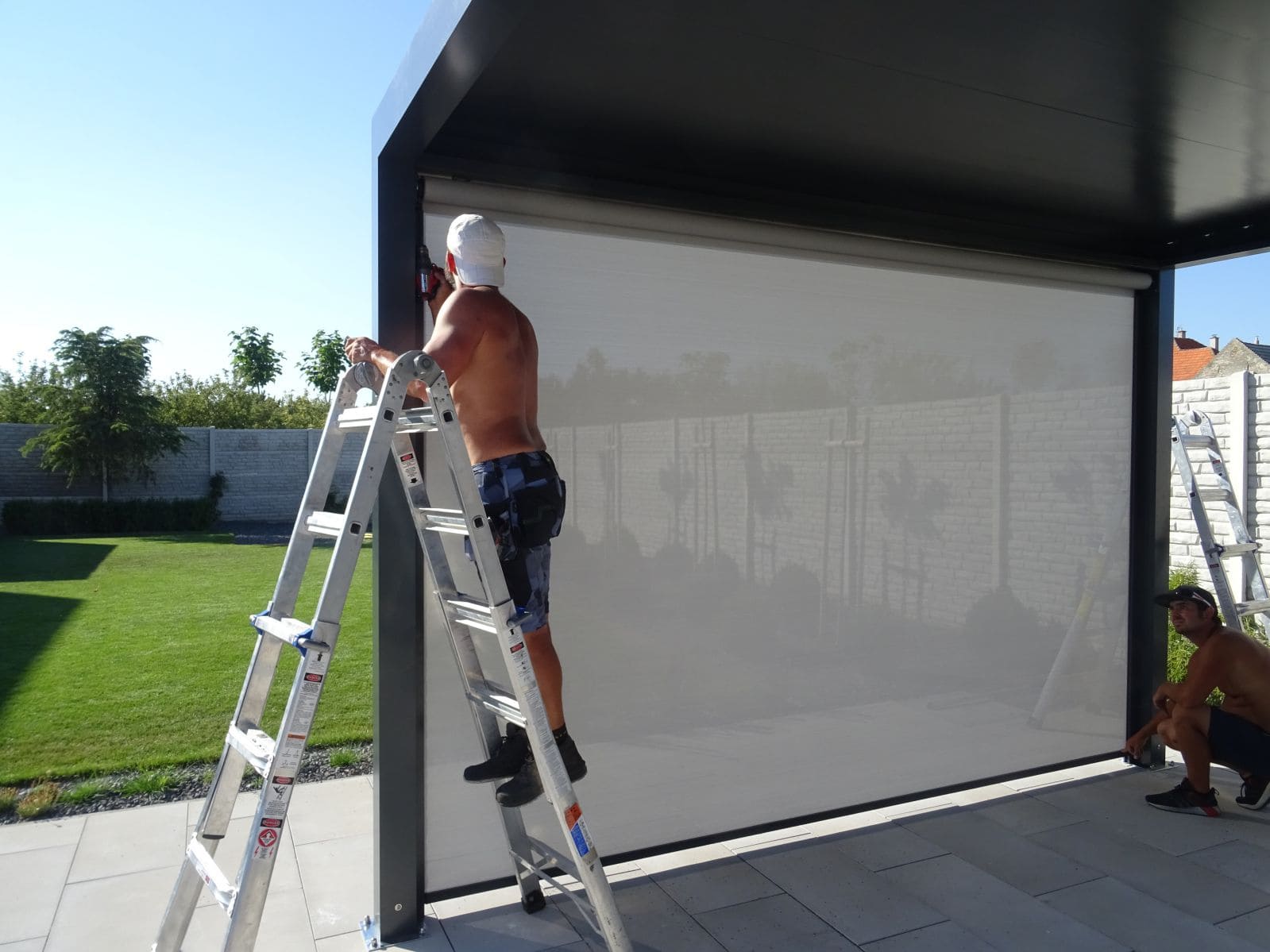
If front or side shading is being fitted, guide rails are mounted on the posts, and the shading fabric runs within them. The shading is invisibly integrated into the aluminium structure back at the factory. On site, only the top and bottom end stops for the fabric are fine-tuned.
Why are bioclimatic pergolas a modern trend?
Bioclimatic pergolas let you make use of your garden space all year round. Their installation is, however, more demanding than that of an ordinary wooden pergola — for comparison, you can see how the installation of the Milano wooden pergola is carried out.
When building a bioclimatic pergola, it’s important to take the customer’s requirements into account and adapt it to the specific spot in the garden. The structure should be of the highest possible quality and resistant to rain, wind and sun.
There are various materials to choose from, of which the aluminium version is the most popular — thanks to anodising — a protective layer over 20 μm thick — aluminium is highly resistant to corrosion and virtually maintenance-free. If you’re not sure how to choose an aluminium pergola, we’ll advise you on the dimensions, colour and optional extras.
The advantage of a bioclimatic pergola is its system of rotating louvres, which let you regulate how much sunlight and air enter the space beneath the pergola. During installation, it’s also important to pay attention to drainage and the removal of rainwater so the structure isn’t overloaded.
Just as important is how the structure is anchored and founded – the difference between fixing to an existing terrace and pouring your own footings is covered in the article on anchoring and foundations for a pergola.
Frequently asked questions
What material are bioclimatic pergolas made from?
Bioclimatic pergolas are often made from aluminium, which is resistant to the weather and has a long service life.
How is the amount of sunlight beneath the pergola regulated?
The amount of sunlight is regulated using rotating louvres; turning them also controls the airflow.
Is installing a bioclimatic pergola more demanding than a wooden one?
Yes, installing a bioclimatic pergola is more demanding, but the benefits it offers make it worthwhile. It’s important to pay attention to the quality of the structure and to rainwater drainage.
František Kečkéš
Founder of the family firm Gazebo. He has designed custom pergolas, gazebos and winter gardens since 2009 — from the first sketch through production to installation.
Free consultation →