Which Pergola Is Ideal for Your Garden?
Wooden or aluminium pergola? We'll help you choose the best fit for your garden — by upkeep, lifespan, design and use. Get a free, no-obligation quote.
 František Kečkéš · Updated · 5 min read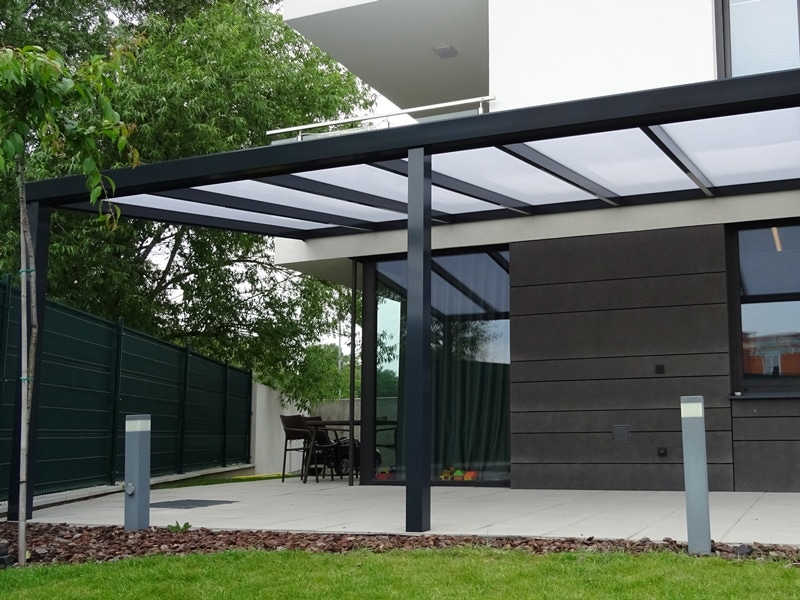
In short: A wooden pergola suits a traditional, rustic garden where you want a natural feel and don’t mind regular upkeep. An aluminium pergola is the better choice for a modern design and for owners who want a durable, maintenance-free solution with a long lifespan. Decide based on your home’s style, the space available and the time you have for care.
Choose the pergola that best suits your needs and preferences, and create the perfect spot to relax in your garden. There are several factors to weigh up to make sure you get the right pergola for your space. If you’re still weighing it up, see our 5 reasons to own a pergola.
Wood or aluminium: which pergola suits whom?
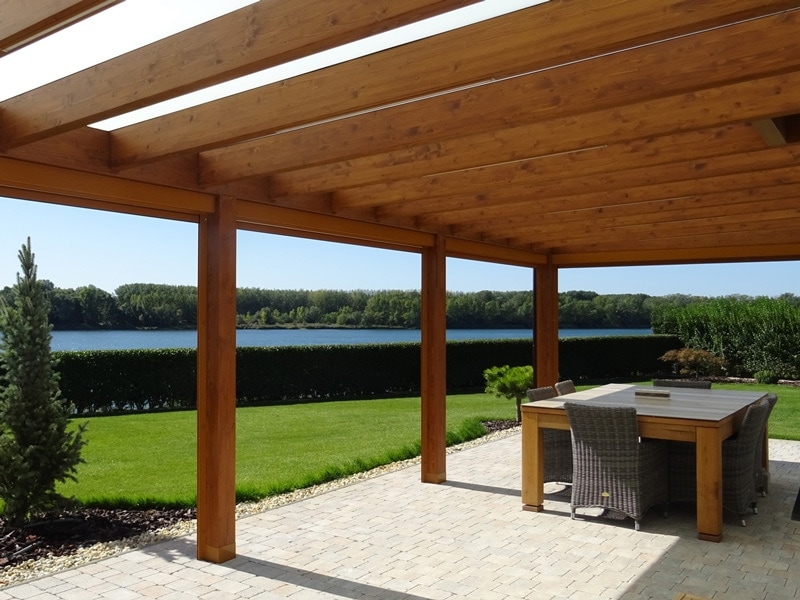
The first and most important decision is the material. A wooden pergola needs more maintenance than an aluminium one, but it offers a warmer, more natural feel that suits traditional and rustic gardens. Its lifespan depends on the type of wood — natural resistance to rot is graded by the EN 350 standard on a scale from 1 (most resistant) to 5. If wood appeals to you, read how to choose a wooden pergola and what to watch out for when picking one.
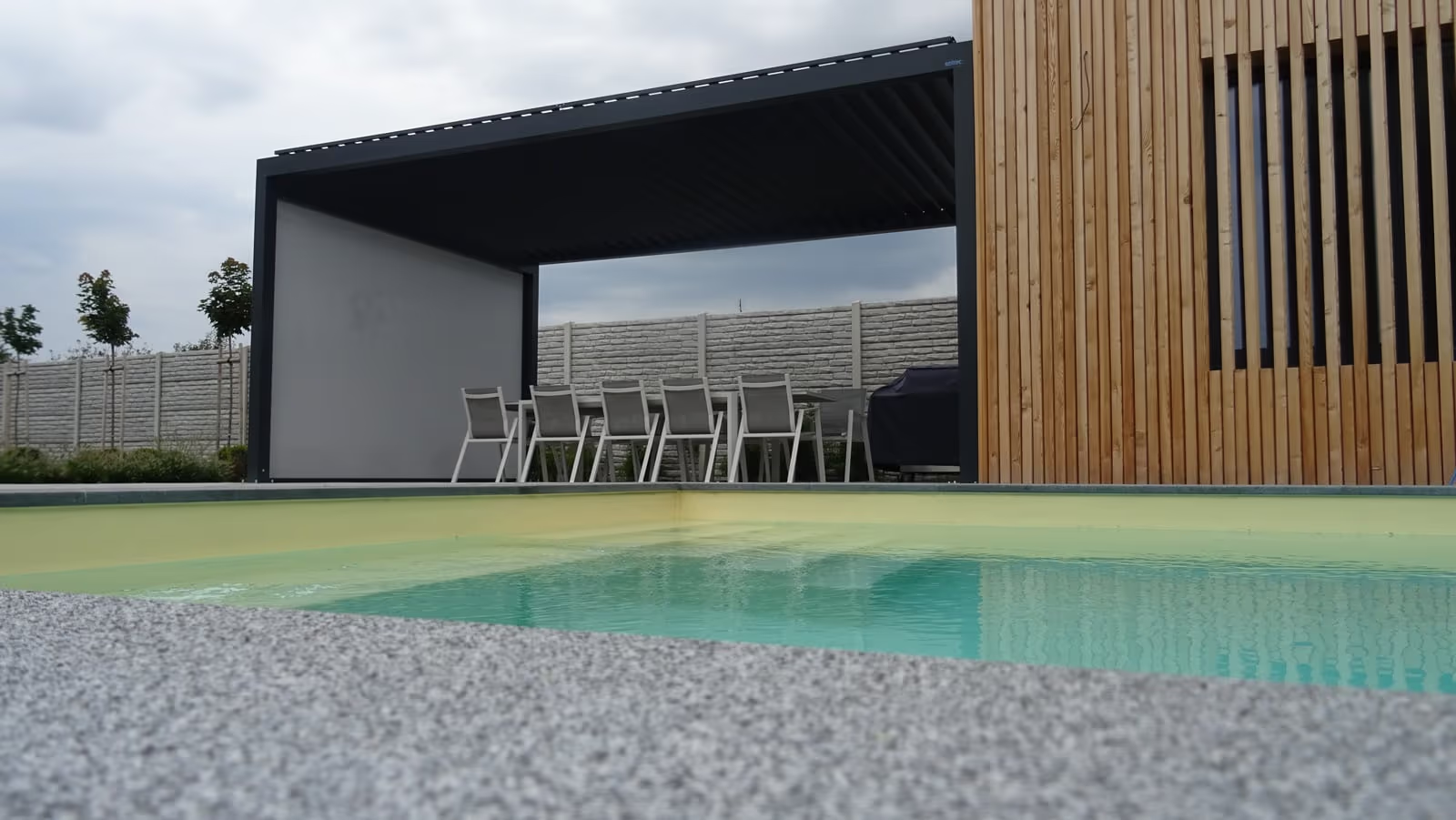
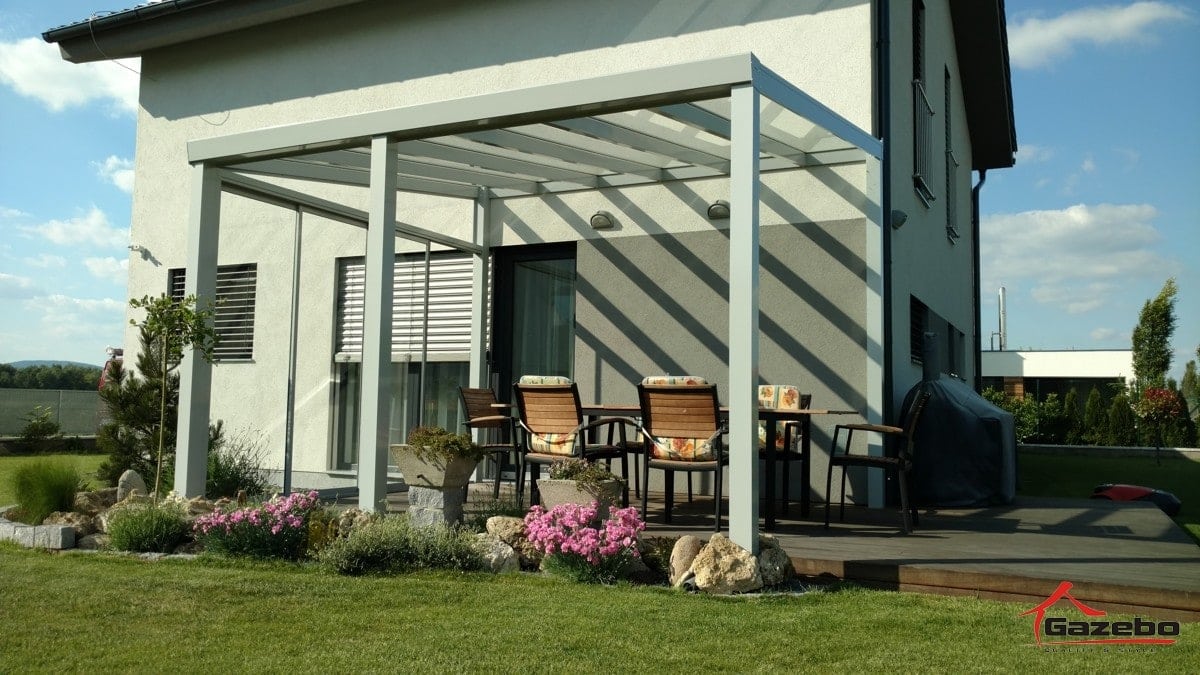
Aluminium pergolas, by contrast, are more weather-resistant, last longer than wooden ones and need minimal maintenance — thanks to an anodic oxidation surface finish, aluminium stands up well to corrosion — which makes them ideal for modern homes and owners with little free time. If you’re leaning towards this material, we’ll show you what to look for when choosing an aluminium pergola.
Covering
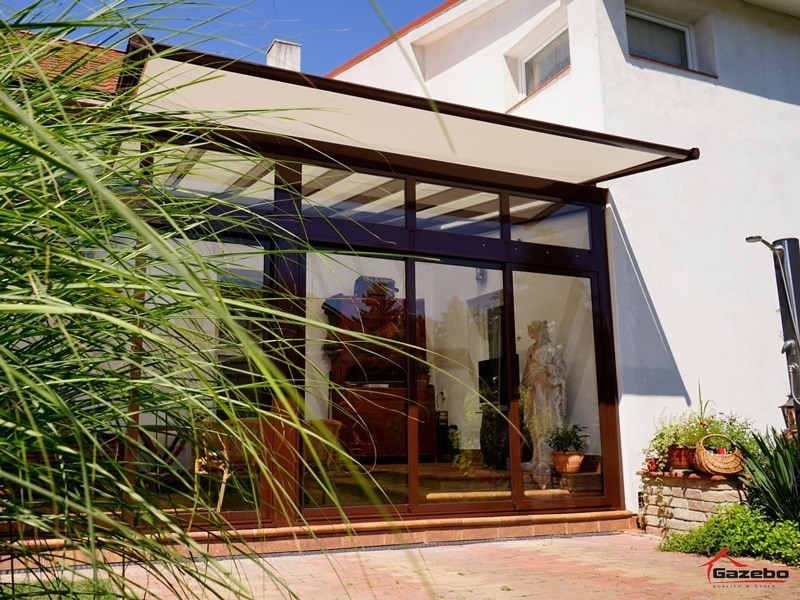
Pergolas can have different types of covering — for example open, partly covered or fully covered. It’s important to think about how much space you want protected from sun, wind and rain. If you’re after more protection from the sun and rain, a fully covered pergola will be the better choice for you.
What to consider when choosing a pergola
Once you’re clear on the material, work through the checklist below. These points affect the practicality, look and overall value of a pergola and will help you decide which model best suits your needs:
- Size: Before choosing a pergola, measure the space available in your garden and consider the size and shape of pergola that best suits the spot. A terrace against the house needs a different size than a free-standing spot in the garden — that is covered in pergola for a terrace.
- Material: Pergolas come in a range of materials, such as wood, aluminium or steel. Think about which material best fits your garden’s design and how much maintenance it will need.
- Design: Choose a pergola design that suits the style of your garden and home. You might go for a traditional or a modern look, or opt for an unusual shape that makes your garden stand out.
- Roof: Pergolas can have a solid, semi-rigid or fabric roof, each offering a different degree of protection from sun and rain. Bear your needs and preferences in mind when choosing the roof.
- Plants: If you plan to grow climbing plants around the pergola, consider whether the particular model is suitable for supporting plant growth and can bear their weight.
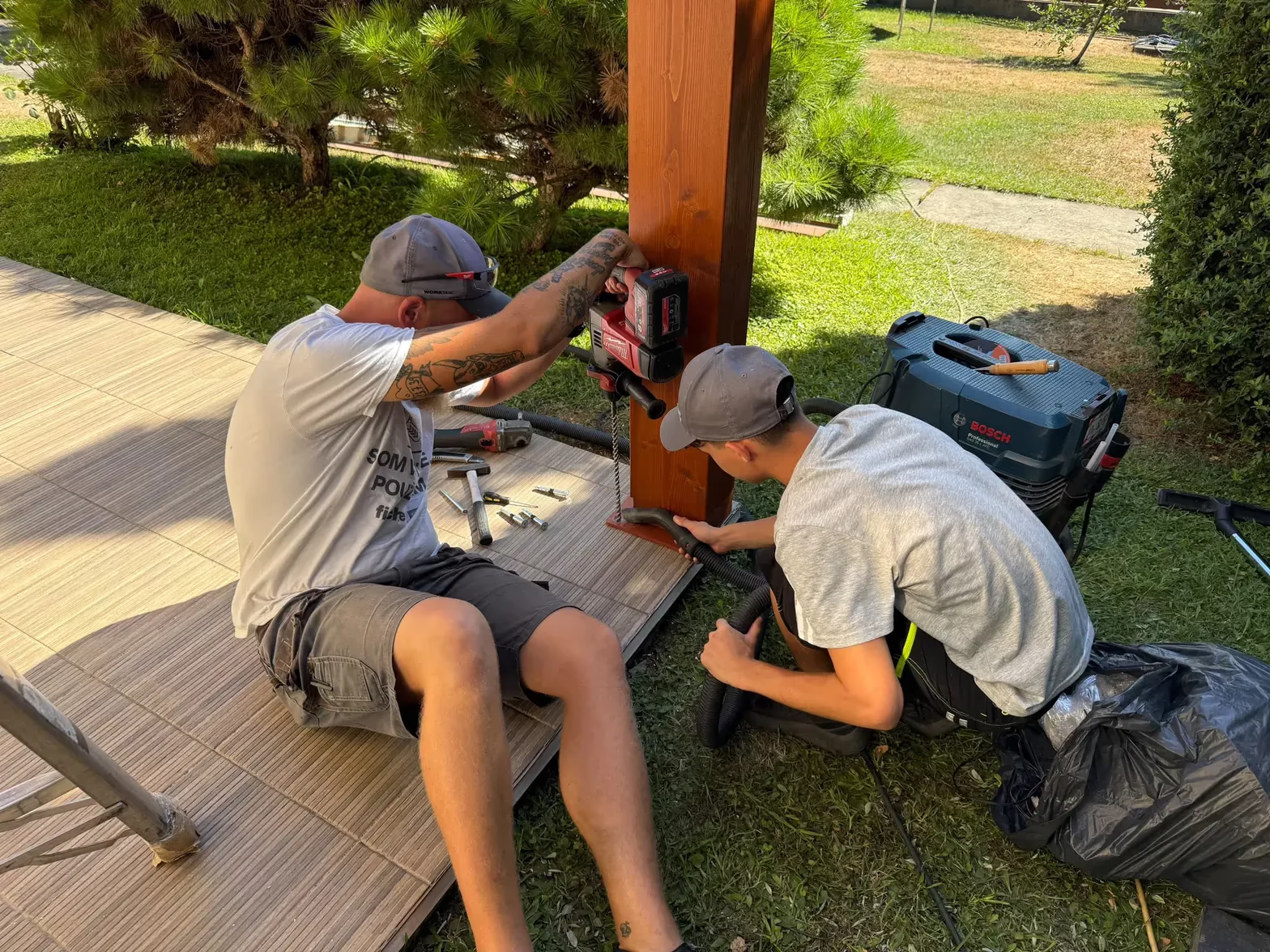
- Installation: Think about whether you want to install the pergola yourself or would rather leave it to the professionals. This can influence your choice of pergola, especially when it comes to the complexity of the build and the installation costs.
- Budget: Set a budget you’re willing to invest in a pergola and consider your options within that price range. Don’t forget to factor in the cost of any installation and maintenance too.
- Permits and regulations: Check whether you need building permission or whether any local regulations apply to building a pergola. This can help guide your choice.
You can use a pergola for entertaining and hosting guests, as well as a space for small weddings, celebrations or as a relaxing spot for the whole family. These days pergolas aren’t just for the garden — they’re also used to connect to the house.
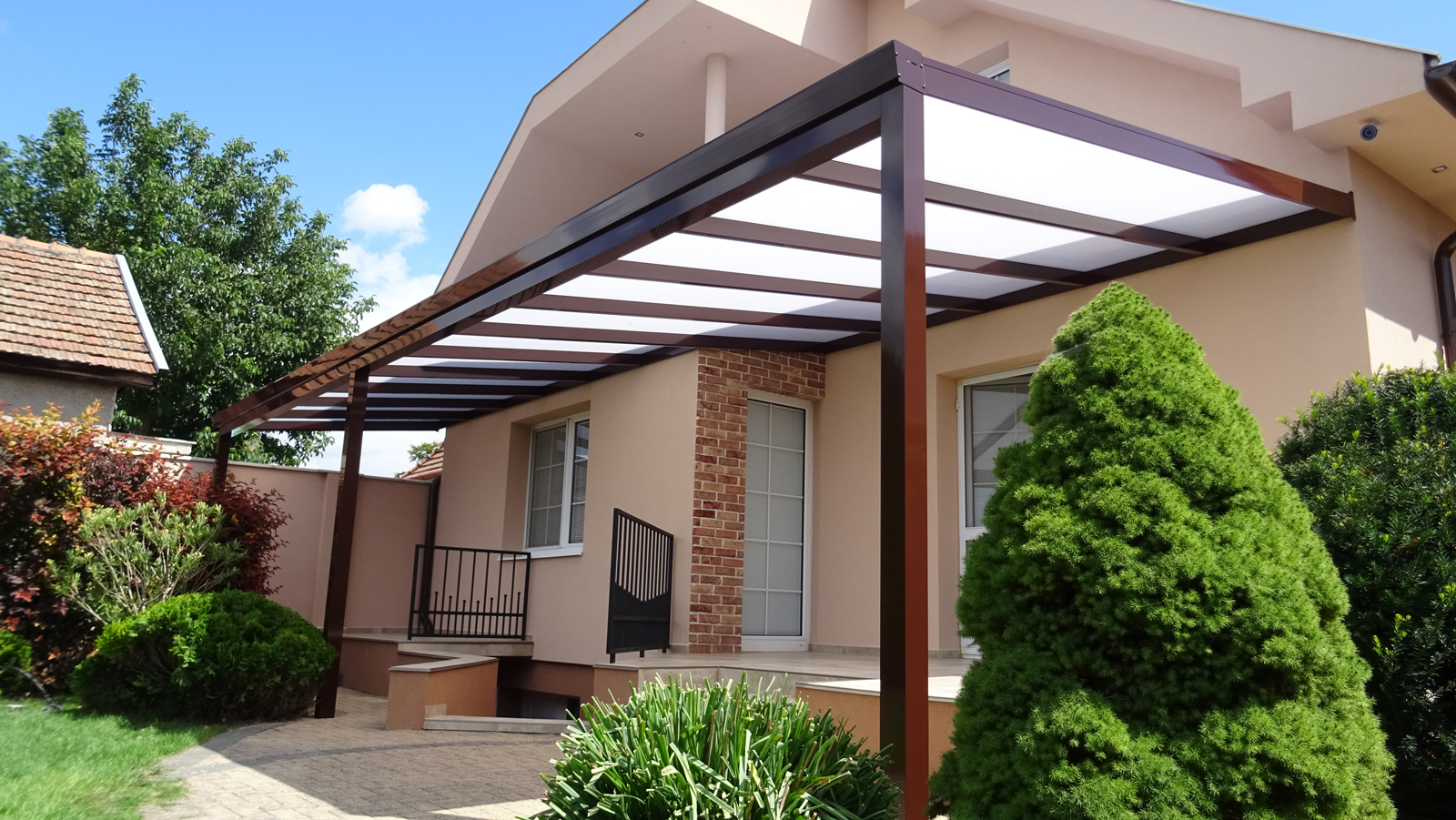
Choose from these pergola styles
- Flat pergola – This design offers great flexibility. It can be trimmed with wood, have different levels and spacings, and even built-in LED lighting.
- Oriental pergola – The open top of this pergola is for those who want to feel more connected to nature. It can be decorated with a grapevine or climbing plants. It’s airy and very popular.
- Aluminium pergola – One of the more modern designs. Aluminium is exceptionally strong and light compared with other materials. A structure like this is long-lasting and modern.
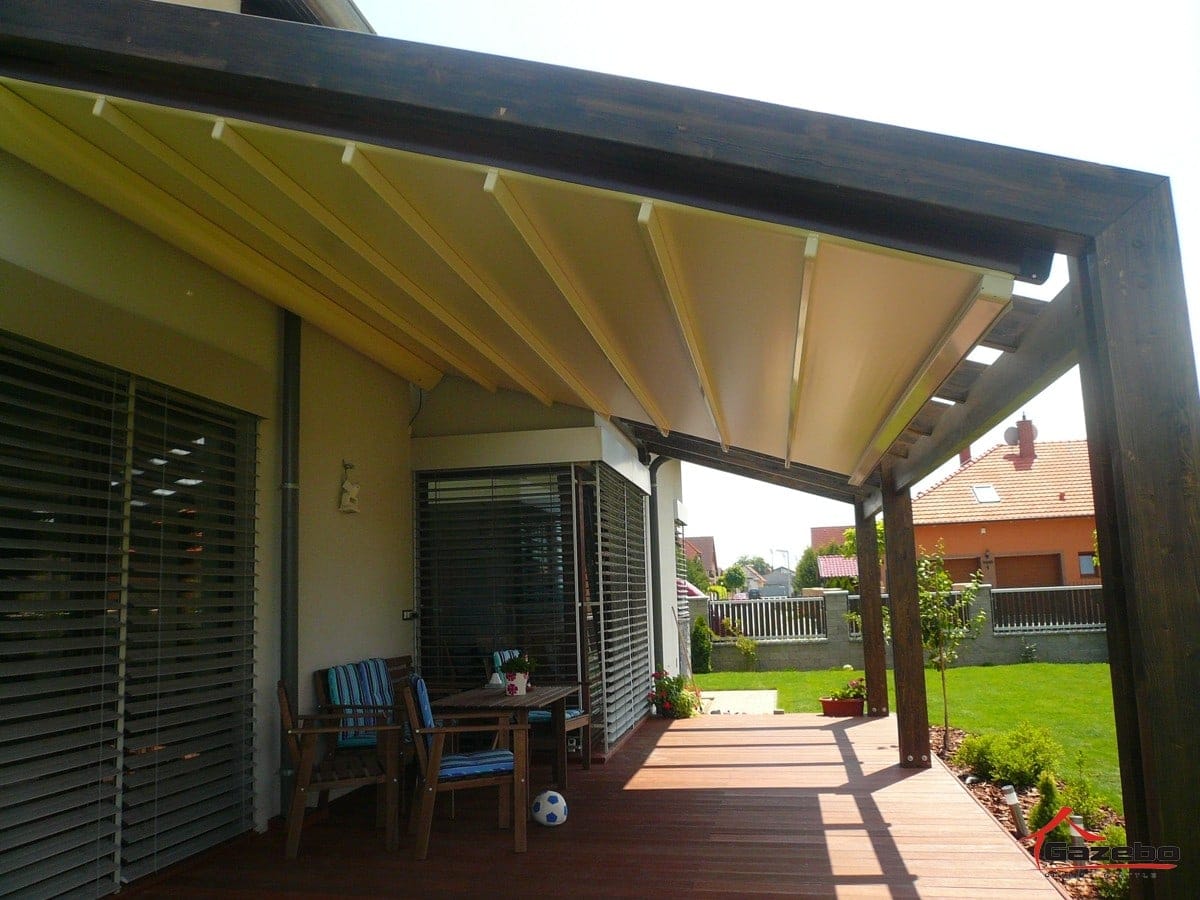
- Canopy pergola – Fabric canopies are stretched over the beams to act as a roof. They can create an elegant, modern look that transforms the appearance of your home or garden.
- Traditional wooden pergola – These are mostly made of wood, with posts you can decorate however you like.
You can also combine and link several pergolas together to cover large areas.
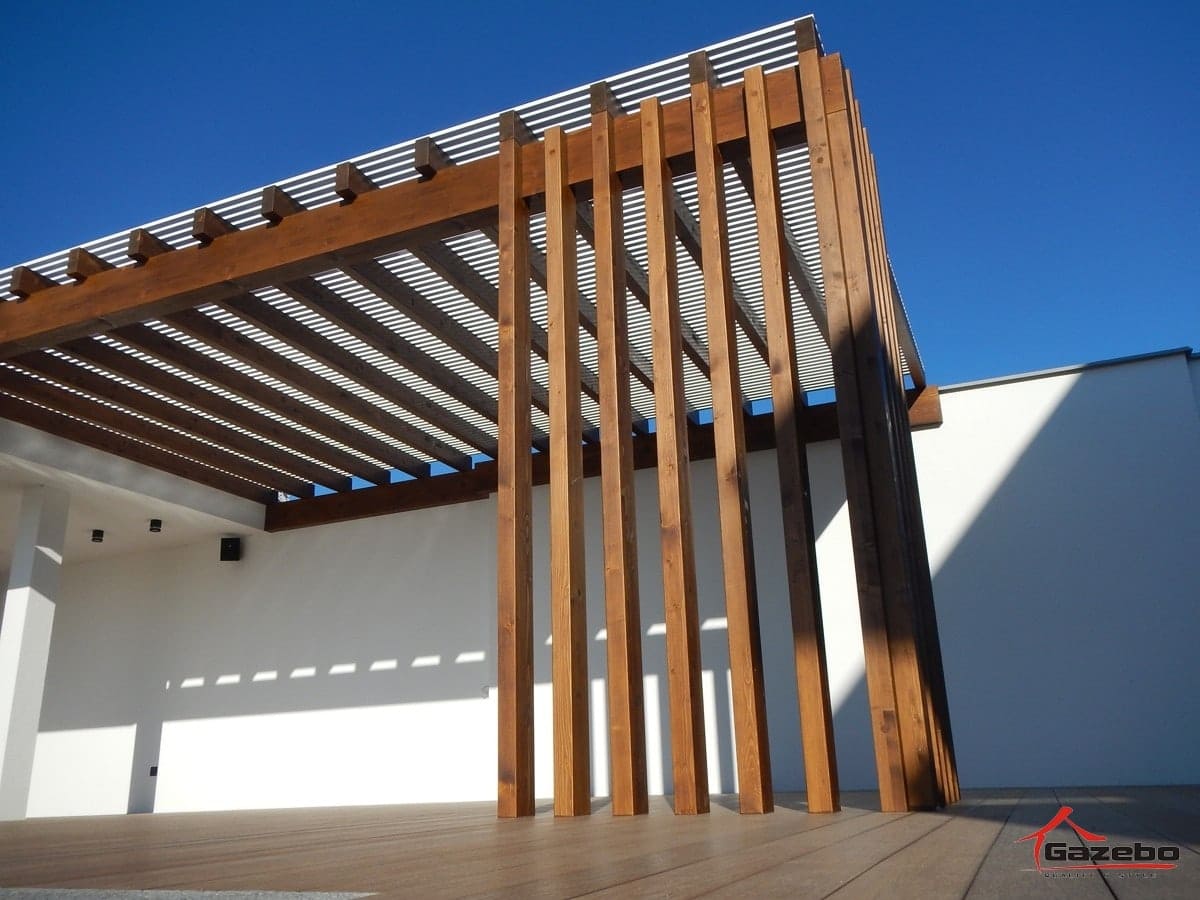
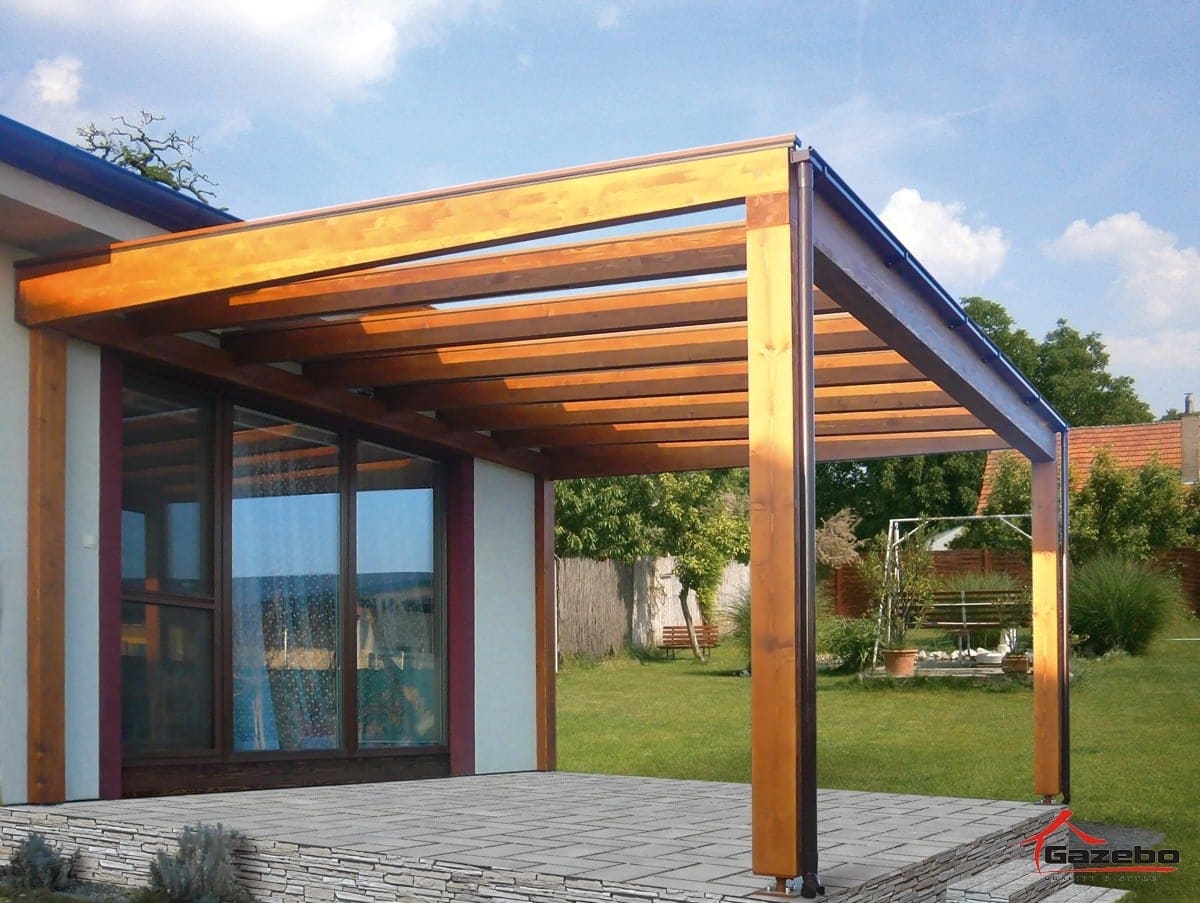
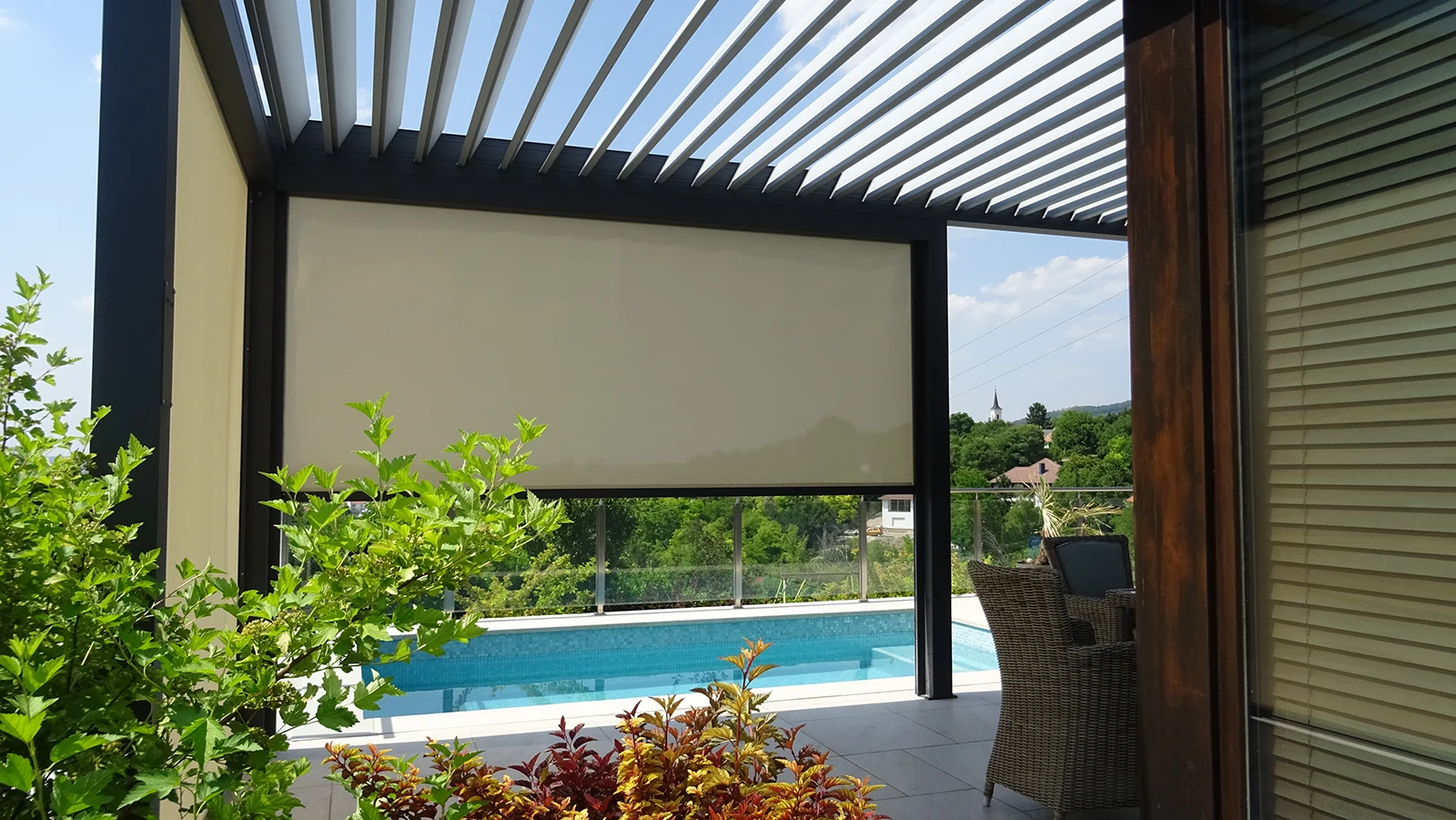
When it comes to your dream pergola, let your ideas run free and take inspiration from our range. There are no limits or styles we can’t build for you. Get in touch and we’ll even help you bring your own innovative design to life.
Our quality and pricing offer the very best you’ll find on the market. Don’t hesitate to contact us.
Frequently asked questions
What’s the difference between a gazebo and a pergola?
A gazebo has a solid roof, whereas a pergola has an open or partly covered top. Pergolas are often used as garden shelters on a terrace or as a seating area, while gazebos are mostly intended for relaxing in the garden.
Which materials are most commonly used to build pergolas?
Pergolas are built from a range of materials, such as wood, aluminium, metal or plastic. Wooden pergolas are the traditional solution and remain very popular today. Aluminium pergolas are the modern alternative and are often used in more contemporary gardens.
What size of pergola is ideal for my garden?
The right size depends on the size and position of your garden. Smaller pergolas suit smaller gardens, while larger gardens are ideal for bigger pergolas. It’s also important to consider where the pergola will sit and how far it is from the house or another structure in the garden. We recommend choosing a pergola that can shelter a table and chairs as well as provide a spot to relax and unwind.
What kind of covering should a pergola have for better weather protection?
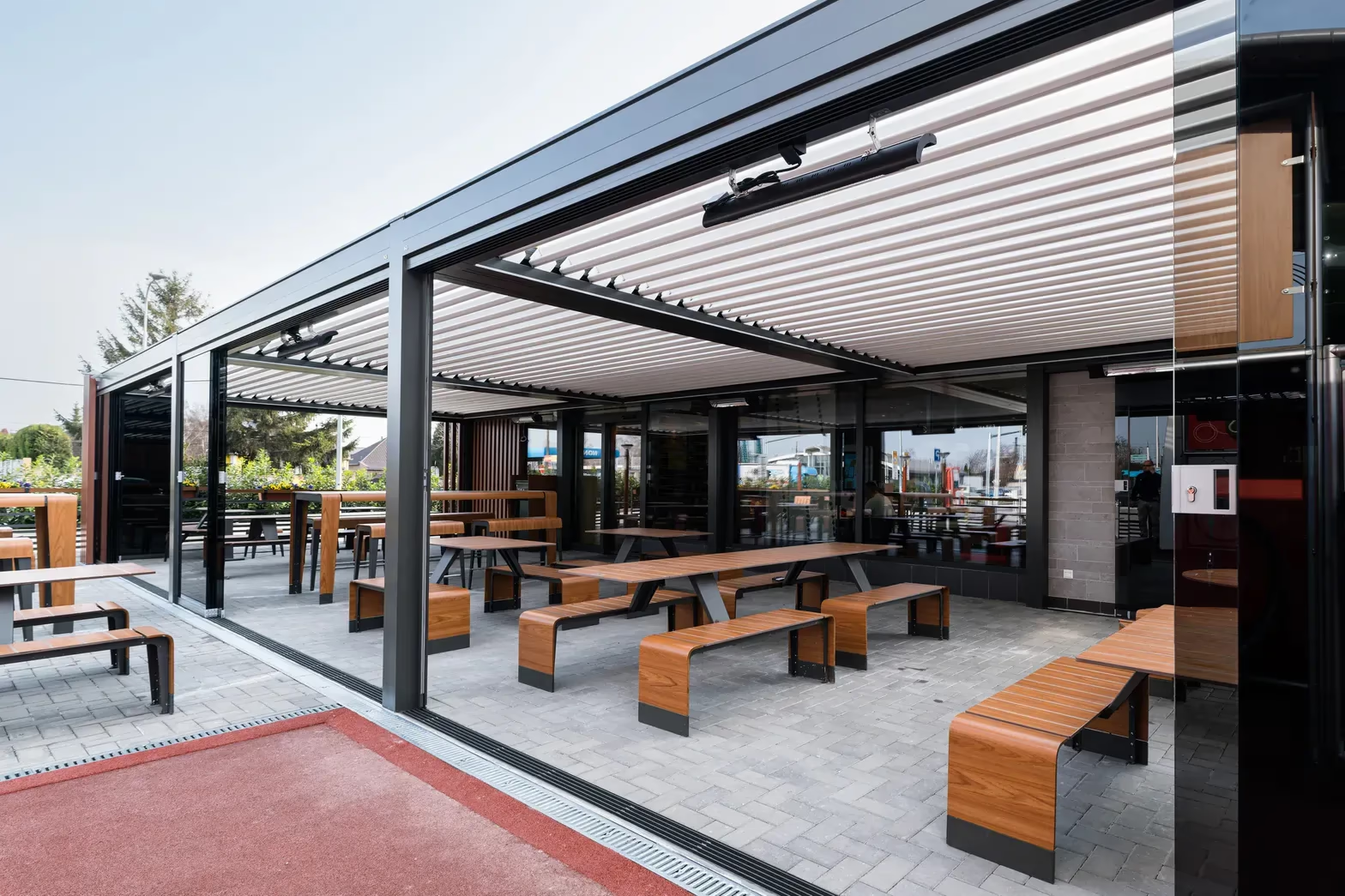
A pergola’s covering should be resistant enough to rain and sunlight. Bioclimatic pergolas with rotating louvres let you regulate how much light and heat come through the roof. Aluminium louvres are also a popular material, as they resist the weather and have a long lifespan.
František Kečkéš
Founder of the family firm Gazebo. He has designed custom pergolas, gazebos and winter gardens since 2009 — from the first sketch through production to installation.
Free consultation →